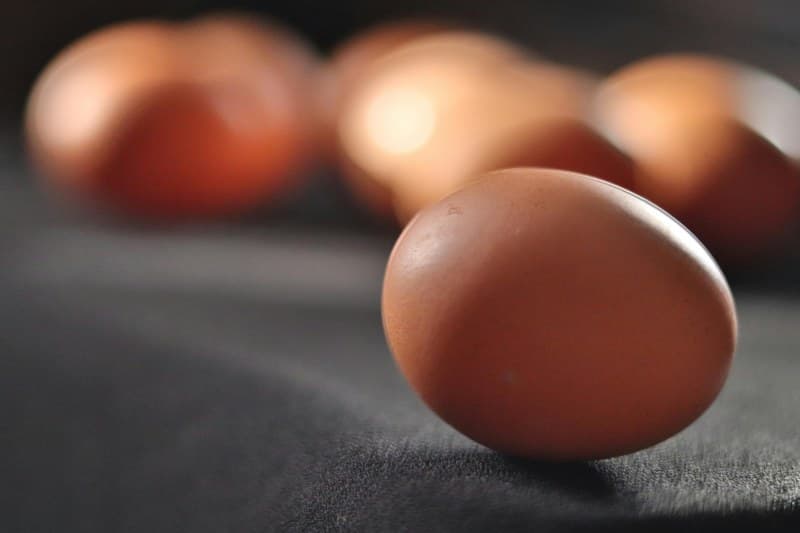
Last weekend, I tried to make soft-boiled eggs for breakfast. I set the timer for 10 minutes, walked away to grab coffee, and came back to a rubbery yolk that tasted like cardboard. Sound familiar? Eggs are one of the most versatile ingredients—used in everything from breakfast scrambles to baked goods—but even seasoned cooks mess them up. Let’s break down the 6 most common mistakes and how to fix them so you never waste an egg again.
1. Using Cold Eggs for Scrambling
Ever noticed your scrambled eggs turn out lumpy or uneven? Chances are you used cold eggs straight from the fridge. Cold eggs cook faster on the outside than the inside, leading to a rubbery texture. Fix: Let eggs sit at room temperature for 15-20 minutes before scrambling. This helps them cook evenly and stay fluffy.
2. Overcooking Hard-Boiled Eggs
That green ring around the yolk? It’s a sign of overcooking. The iron in the yolk reacts with sulfur in the white when heated too long. Fix: For soft-boiled eggs (runny yolk), boil for 7 minutes. For hard-boiled (firm yolk), boil for 10 minutes. Immediately transfer to an ice bath to stop the cooking process.
3. Not Seasoning Eggs Properly
Many people wait until the end to salt scrambled eggs, but this can draw out moisture and make them dry. Fix: For scrambled eggs, salt them 10 minutes before cooking to let the salt break down the egg proteins (this makes them fluffier). For other methods like fried or poached, season right before serving.
4. Cooking Scrambled Eggs on High Heat
Cranking the heat to high might seem like a time-saver, but it’s a surefire way to get tough, dry eggs. Fix: Use low to medium heat. Stir gently with a spatula, scraping the bottom of the pan to form soft curds. Take them off the heat just before they’re fully set—they’ll continue cooking from residual heat.
5. Poaching in Boiling Water
Poached eggs with wispy, spread-out whites are a common frustration. Boiling water is too turbulent and breaks the egg apart. Fix: Use simmering water (small bubbles, not rolling). Add 1 teaspoon of vinegar to the water—it helps coagulate the egg whites quickly. Crack the egg into a small bowl first, then gently slide it into the water.
6. Skipping the Ice Bath for Hard-Boiled Eggs
Peeling a hard-boiled egg can feel like a battle if you skip this step. The ice bath contracts the egg, separating it from the shell. Fix: After boiling, drain the hot water and submerge the eggs in ice water for 5 minutes. This makes peeling a breeze—even for fresh eggs.
Compare Egg Cooking Methods: Mistakes & Fixes
Not sure which method you’re messing up? Here’s a quick comparison to help:
| Method | Common Mistake | Quick Fix | Pro Tip |
|---|---|---|---|
| Scrambled | High heat leading to rubbery texture | Cook on low-medium heat, stir gently | Add a splash of milk or cream for creaminess |
| Hard-Boiled | Overcooking (green ring around yolk) | Boil for 7-10 mins, then ice bath | Use older eggs (1-2 weeks old) for easier peeling |
| Poached | Egg whites spreading in water | Simmer water with 1 tsp vinegar, crack egg into bowl first | Spin water into a vortex before adding egg |
| Fried | Breaking yolk when flipping | Use a spatula to gently lift and flip quickly | Heat oil until it shimmers before adding egg |
Wisdom from the Pros
“The only real stumbling block is fear of failure. In cooking, you’ve got to have a what-the-hell attitude.” — Julia Child
Julia Child’s words ring true here. Don’t let a runny yolk or lumpy scramble stop you from experimenting. Even the best chefs make mistakes—knowing how to fix them is what makes you a better cook.
FAQ: Common Egg Question
Q: Should I wash eggs before cooking?
A: No. Eggs have a natural protective coating called the bloom that keeps bacteria out. Washing removes this coating, making eggs more prone to contamination. Only wash eggs if they’re visibly dirty, and cook them immediately afterward.
Next time you’re in the kitchen, keep these tips in mind. With a little practice, you’ll be making perfect eggs—whether scrambled, poached, or hard-boiled—every single time. Happy cooking! 🍳