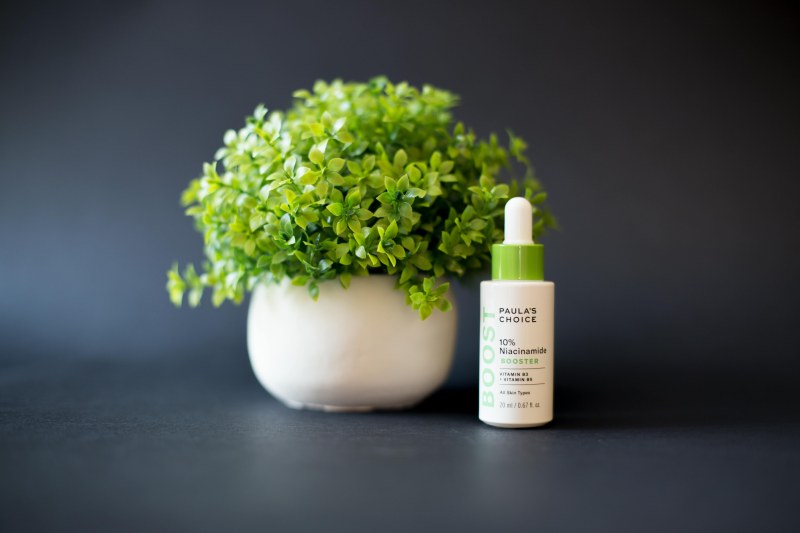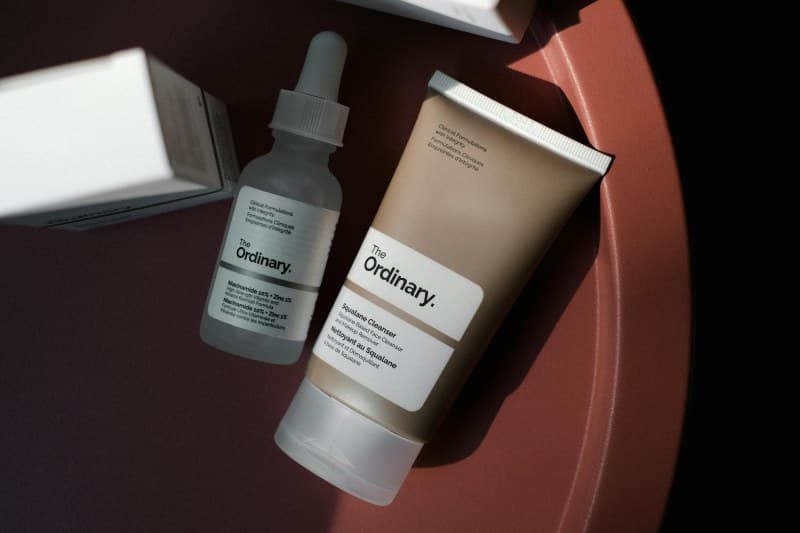
Last month, my friend Mia texted me panicking: she’d bought a niacinamide serum, used it twice, and her skin felt slightly red. She’d read online it was ‘miracle stuff’ but was ready to toss it. Sound familiar? Niacinamide is everywhere in skincare, but most of us don’t know the basics beyond ‘it’s good for you.’ Let’s break down the 5 key things you need to know to use it right.
What Exactly Is Niacinamide?
Niacinamide (or nicotinamide) is a water-soluble form of vitamin B3. It’s found naturally in foods like eggs, milk, and leafy greens, but in skincare, it’s synthesized for stability. It works by supporting the skin’s barrier—your first line of defense against pollution, dryness, and other environmental stressors.
5 Key Things to Know About Niacinamide
- It’s gentle for most skin types: Unlike retinol, niacinamide is well-tolerated by sensitive skin. It’s even safe for acne-prone or rosacea-prone skin when used correctly.
- It’s a multi-tasker: From reducing redness to minimizing pores and fading post-acne marks, niacinamide targets multiple concerns. It also regulates oil production—great for oily skin.
- Concentration isn’t everything: Serums with 5-10% niacinamide are effective for most people. Higher concentrations (15-20%) might not give better results and could irritate sensitive skin.
- It plays well with others: Pair it with retinol, vitamin C, or hyaluronic acid—just introduce one new ingredient at a time to avoid irritation.
- Consistency beats speed: Don’t expect overnight results. It takes 4-6 weeks of regular use to see visible changes like smoother skin or reduced redness.
Wondering how niacinamide stacks up against other B vitamins in skincare? Here’s a quick comparison:
| Ingredient | Primary Benefit | Best For |
|---|---|---|
| Niacinamide (B3) | Barrier support, pore minimization, redness reduction | All skin types, especially oily/acne-prone |
| Panthenol (B5) | Hydration, wound healing | Dry, sensitive, or damaged skin |
| Pyridoxine (B6) | Oil regulation, acne control | Oily, acne-prone skin |
Common Niacinamide Myths Debunked
- Myth: Niacinamide causes breakouts: Temporary purging (breakouts as skin adjusts) is rare. If you break out, check the concentration or other ingredients in the product.
- Myth: You need expensive products: Drugstore options like The Ordinary’s 10% Niacinamide + 1% Zinc are just as effective as high-end ones—formulation matters more than price.
“Patience is the companion of wisdom.” — Saint Augustine
This rings true for niacinamide. You can’t rush the process—consistent, patient use will give you the best results, just like any wise skincare choice.
Remember Mia? After I suggested she try a 5% concentration (instead of 10%) and apply it after cleansing but before moisturizer, she stuck with it. Three weeks later, she texted me a photo—her redness was gone, and her pores looked smaller. She even added it to both her morning and night routines.
FAQ: Can I use niacinamide with retinol?
Q: I love my retinol serum, but I want to add niacinamide. Is that safe?
A: Yes! Niacinamide can reduce retinol’s potential irritation. Apply niacinamide first (water-based) then retinol (oil-based) to maximize absorption. Start with low concentrations of both to test your skin’s reaction.
Niacinamide isn’t a magic potion, but it’s a reliable workhorse in skincare. By understanding its benefits, concentration sweet spot, and pairing rules, you can make it work for your skin type. Remember: skincare is personal—listen to your skin, and be patient.