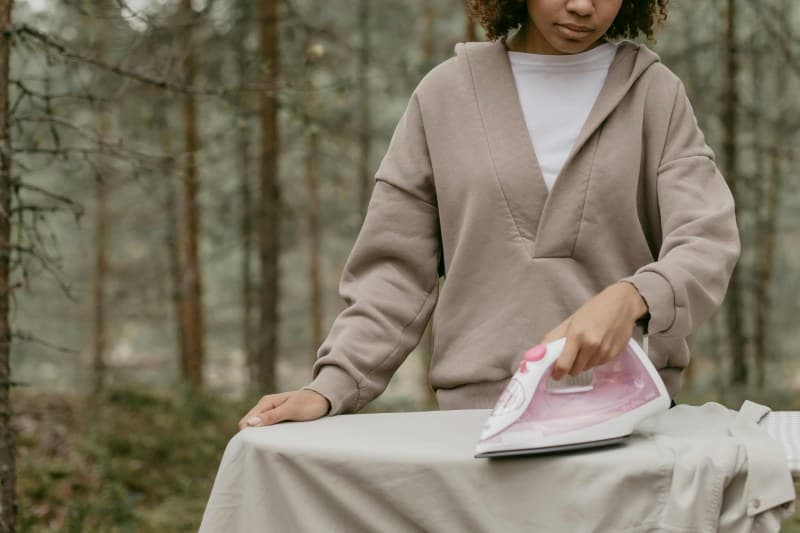
Last month, my roommate spent 45 minutes ironing her work blouses—all while grumbling about waiting for them to hit that 'perfect dampness' sweet spot. She swore ironing wet clothes was the only way to get that sharp, professional look. But when I suggested using a spray bottle on dry shirts instead, she stared like I’d just told her to iron with a hair dryer. That’s the thing about ironing: we all carry old myths that make the task way harder than it needs to be.
The Big Myth: Wet Ironing Is Non-Negotiable
The idea of ironing right after washing comes from a time before steam irons existed. Back then, damp fabric relaxed fibers, making wrinkles easier to smooth. But modern steam irons do this job without needing soaking wet clothes. In fact, ironing wet garments can leave water spots, stretch delicate fabrics like silk, or even cause mildew if not dried properly. Slightly damp? Sure. Soaking wet? Skip it.
6 Ironing Myths Debunked (Myth vs Truth)
Let’s break down the most persistent ironing myths and set the record straight:
| Myth | Truth | Quick Tip |
|---|---|---|
| You must iron clothes while they’re still wet. | Slightly damp fabric is ideal, but wet clothes cause spots or damage. | Use a spray bottle to mist dry clothes for the same effect. |
| Higher heat equals crisper clothes. | Too much heat can burn natural fibers or melt synthetics. | Check the care label—cotton needs high heat, polyester low. |
| Iron all clothes inside out. | Only necessary for delicate or printed fabrics. | Iron prints inside out to avoid fading or cracking. |
| Linen doesn’t need ironing—it’s supposed to be wrinkly. | Linen can be pressed for a polished look (if you want it). | Use medium heat and steam; iron while slightly damp. |
| Ironing is a waste of time. | Proper ironing extends clothing life by preventing permanent wrinkles. | Iron in batches (e.g., all shirts at once) to save time. |
| All irons are the same. | Steam irons are far more effective for most fabrics than dry irons. | Choose an iron with adjustable steam and heat settings. |
Classic Wisdom for Better Ironing
“A well-pressed shirt is a sign of respect for oneself and others.” — Unknown
This old saying isn’t about spending hours over an ironing board. It’s about doing the job smartly. For example, my grandma always ironed her linen tablecloths after every wash—not because she was fussy, but because it kept them looking new for decades. She used a steam iron and a spray bottle, and never wasted time waiting for wet fabric.
Quick Q&A: Your Ironing Questions Answered
Q: Can I iron synthetic fabrics like polyester without damaging them?
A: Yes! But use low heat (set your iron to the “synthetic” setting) and avoid pressing too hard. If you’re unsure, test a small hidden area first (like the inside of a collar) to make sure the fabric doesn’t melt or warp.
3 Hacks to Make Ironing Less of a Chore
- Aluminum foil trick: Place a sheet of aluminum foil under your ironing board cover. It reflects heat, so you iron both sides of the fabric at once—cutting your time in half!
- Hair straightener for small areas: Stuck with a wrinkly collar or cuff? Grab a hair straightener (on low heat) to smooth it out quickly.
- Hang immediately: After ironing, hang clothes on a hanger right away. This prevents new wrinkles from forming and keeps your hard work intact.
Ironing doesn’t have to be a drag. By ditching the myths and using smart hacks, you can get crisp, professional-looking clothes in no time—without the frustration.