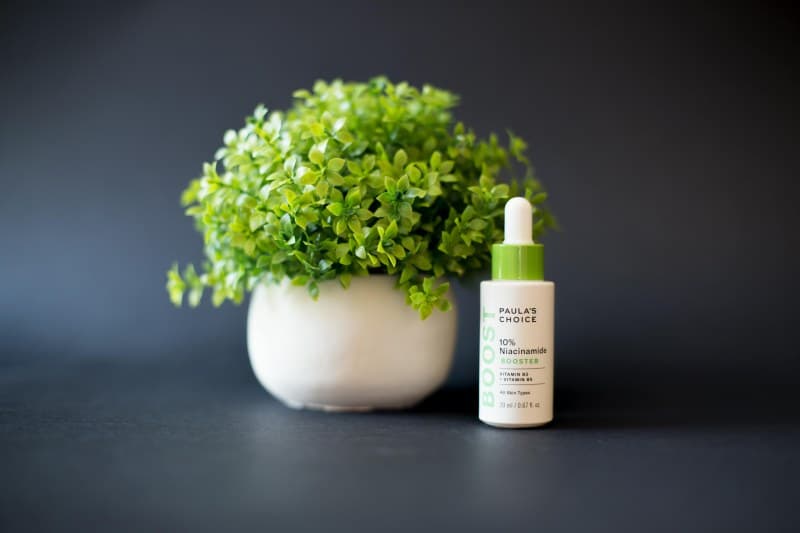
Last month, my friend Sarah stared at her skincare shelf, confused. She had a niacinamide serum and a hyaluronic acid moisturizer but had no clue if she should use them together, or which one came first. Sound familiar? If you’ve ever felt overwhelmed by skincare ingredients, you’re not alone.
What Are Niacinamide & Hyaluronic Acid, Anyway?
Niacinamide (vitamin B3) is a powerhouse ingredient that helps regulate oil production, reduce redness, and fade dark spots. Hyaluronic acid, on the other hand, is a humectant—meaning it draws water from the air into your skin to keep it plump and hydrated. Both are fan favorites, but they serve different purposes.
7 Key Things to Know (With a Quick Comparison)
Let’s break down the most important details about these two ingredients side by side:
| Ingredient | Primary Benefit | Best For Skin Type | How to Use | Common Myth |
|---|---|---|---|---|
| Niacinamide | Controls oil, reduces redness, fades dark spots | Oily, combination, acne-prone | Serum form, applied before moisturizer | “It’s too harsh for sensitive skin” (low concentrations are gentle) |
| Hyaluronic Acid | Hydrates, plumps skin, reduces fine lines | Dry, normal, sensitive | Serum or moisturizer, applied to damp skin | “It dries out skin” (only if used without water) |
Other key things: 1) Niacinamide works best at pH 5-7; 2) Hyaluronic acid needs moisture to work; 3) Both can be used morning and night; 4) Niacinamide pairs well with most ingredients; 5) Hyaluronic acid is safe for all ages.
Can You Use Them Together?
“Balance is the key to everything. What we do, think, say, eat, feel—all of it needs to be in balance.” — Koi Fresco
This quote rings true for skincare too. Niacinamide and hyaluronic acid are a perfect pair. Here’s how: Apply niacinamide serum first (it penetrates deeper), then hyaluronic acid moisturizer (locks in hydration). This combo addresses both oiliness and dryness, making it ideal for combination skin.
Real-Life Example: Sarah’s Success Story
Sarah decided to try the pairing. She applied a 5% niacinamide serum in the morning, followed by a hyaluronic acid moisturizer. After two weeks, she noticed her T-zone was less oily, and her cheeks (which used to feel tight) were soft and hydrated. She even said her dark spots from old pimples looked lighter. Win-win!
Common FAQ
Q: I have sensitive skin—can I use both niacinamide and hyaluronic acid?
A: Yes! Both are gentle for most sensitive skin types. Start with a low concentration (2-5% niacinamide) and patch test on your inner arm first. Hyaluronic acid is especially soothing as it hydrates without irritation. If you experience redness, reduce the frequency to every other day.
Final Takeaway
Niacinamide and hyaluronic acid aren’t rivals—they’re teammates. Understanding their roles and how to pair them can help you achieve healthier, glowing skin. So next time you stare at your skincare shelf, remember: balance is key.