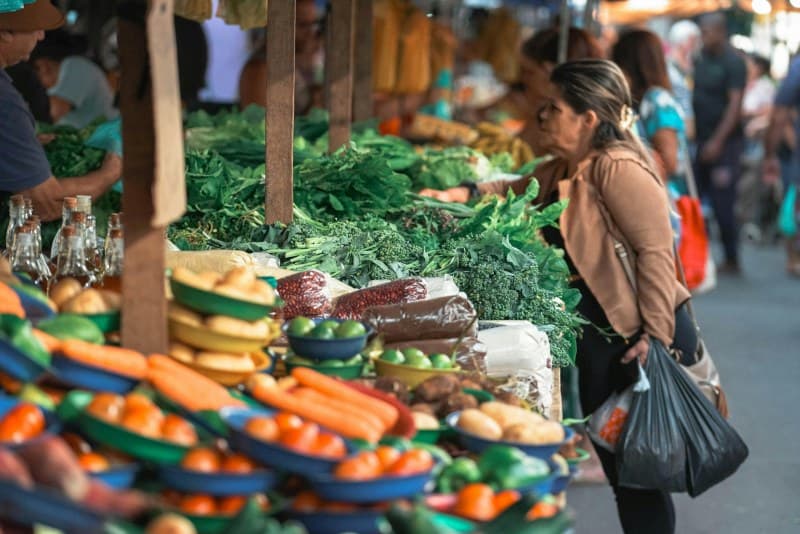
Last year, I wandered through Bangkok’s Yaowarat district at dusk. The air hummed with the clink of utensils and smelled of grilled satay and sweet mango sticky rice. I hesitated at a weathered pad thai stall until an elderly woman gestured for me to sit, pointing to her wok. That first bite—tangy, nutty, with a hint of lime—changed how I think about travel: street food isn’t just meals; it’s a conversation with the culture. But how do you dive into it without feeling lost? Let’s break down two key ways to explore local street food, plus bust some myths that hold travelers back.
Two Key Approaches to Street Food Exploration
The Curious Wanderer 🍜
This approach is for travelers who love spontaneity. You walk without a plan, follow your nose, and let crowds guide you. In Mexico City, I followed a line of locals to a taco stand in a quiet residential alley—turns out it’s been run by the same family for 40 years, serving al pastor tacos with pineapple that melted in my mouth. Pros: It’s low-effort and often leads to hidden gems. Cons: You might miss iconic spots or struggle with language barriers.
The Local Insider 🗺️
This method involves asking locals for recommendations. On a trip to Marrakech, I asked my riad owner where he eats lunch. He took me to a tiny stall near the souk that served tagine with prunes and lamb—no tourists, just locals chatting over mint tea. Pros: You get authentic, off-the-beaten-path spots. Cons: It requires stepping out of your comfort zone to strike up conversations.
Here’s how the two approaches stack up:
| Aspect | Curious Wanderer | Local Insider |
|---|---|---|
| Effort Level | Low (follow senses) | Medium (ask locals) |
| Authenticity | High (hidden gems) | Very High (local favorites) |
| Cost | Variable | Budget-friendly |
| Learning Potential | Moderate (observe habits) | High (conversations) |
Myths Debunked: Street Food Edition
Let’s bust two common myths that stop travelers from enjoying street food:
- Myth 1: Street food is unsafe. Not true! Look for stalls with steady local crowds—they’re the best judges of safety. In Vietnam, I ate pho from a street cart every morning; the owner cleaned utensils between customers, and I never got sick.
- Myth 2: You need to speak the local language. Body language works wonders. Point to what you want, smile, and use a calculator for prices. In India, I ordered samosas by pointing and holding up two fingers—simple and effective.
“Food is our common ground, a universal experience.” — James Beard
This quote hits home because street food transcends language. That pad thai in Bangkok? The woman didn’t speak English, but she smiled when I finished my plate—we connected through a shared love of good food.
Common Question: Is Street Food Safe for Travelers?
Q: I’m worried about getting sick from street food. What should I do?
A: Follow these three rules: 1) Choose stalls with many locals (they know the safest spots). 2) Avoid raw or undercooked food (stick to grilled or boiled dishes). 3) Drink bottled water instead of tap. I’ve followed these tips for years and never had a problem.
Quick Tips for Street Food Success
- Carry small bills: Street vendors often don’t have change for large notes.
- Try one new dish a day: It’s a fun way to explore the culture.
- Respect local customs: In some countries, it’s polite to eat with your hands (like India or Morocco).
Street food is more than just fuel—it’s a window into a place’s soul. Whether you’re a curious wanderer or a local insider, take the leap. You might just find your new favorite dish (and a story to tell).