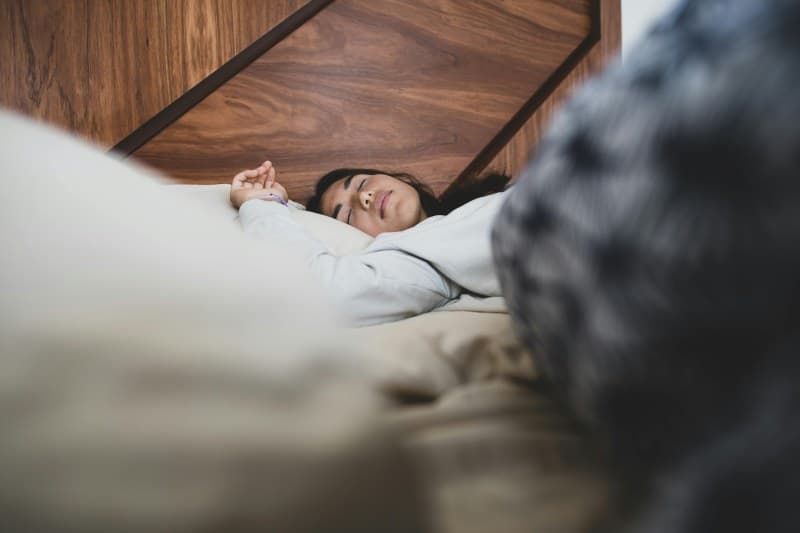
Let’s be real—we’ve all been there: tossing and turning at 2 a.m., staring at the ceiling, wondering if that $150 sleep tracker or fancy weighted blanket will finally fix our sleep. But what if the solution doesn’t involve another gadget? Sarah, a friend of mine, spent months testing expensive sleep tools only to realize the simplest habits made the biggest difference. Let’s break down 4 gadget-free ways to get better sleep, so you can skip the unnecessary purchases and start resting easier.
The 4 Gadget-Free Ways to Improve Sleep Quality
1. Consistent Sleep Schedule
Your body thrives on routine. Going to bed and waking up at the same time every day—even on weekends—helps regulate your circadian rhythm (your internal clock). Sarah tried this: she set her alarm for 6 a.m. every day, no matter how late she stayed up. After two weeks, she noticed she was falling asleep faster and waking up more refreshed.
2. Wind-Down Routine (30 Minutes Before Bed)
Screens emit blue light that suppresses melatonin, the hormone that helps you sleep. Instead of scrolling through social media, try a 30-minute wind-down routine: read a physical book, do gentle stretching, or sip herbal tea (like chamomile or lavender). Sarah swapped her evening phone time for a 20-minute yoga flow and found she was drowsy by 10 p.m. instead of 11.
3. Optimize Your Sleep Environment
Your bedroom should be a sleep sanctuary. Keep it dark (use blackout curtains if needed), cool (between 60-67°F/15-19°C), and quiet (white noise machines are okay—they’re low-cost and simple). Sarah added blackout curtains to her room and kept the thermostat at 65°F; she stopped waking up from streetlights or overheating.
4. Mindful Breathing Techniques
Stress and anxiety often keep us awake. The 4-7-8 breathing method is a quick way to calm your mind: inhale for 4 seconds, hold for 7, exhale for 8. Sarah used this when she couldn’t fall asleep—within 5 minutes, her heart rate slowed and she drifted off.
Compare the 4 Methods
Here’s a side-by-side look at each method to help you choose:
| Method | Effort Level | Time Commitment | Pros | Cons |
|---|---|---|---|---|
| Consistent Schedule | Low | Long-term (daily) | Regulates circadian rhythm; no extra tools needed | Hard to stick to on weekends or holidays |
| Wind-Down Routine | Med | 30 mins daily | Reduces blue light exposure; relaxes mind | Requires discipline to avoid screens |
| Environment Optimization | Med | One-time setup + minor adjustments | Immediate impact on sleep quality | May cost a little (blackout curtains, white noise machine) |
| Mindful Breathing | Low | 5-10 mins as needed | Quick fix for stress-induced insomnia; no tools | Takes practice to master |
Wisdom from the Past
We are what we repeatedly do. Excellence, then, is not an act, but a habit. — Aristotle
This quote rings true for sleep. Consistent habits like a regular schedule or wind-down routine aren’t one-time fixes—they’re daily choices that lead to better sleep over time. Sarah learned this: her consistent schedule didn’t work overnight, but after a month, it became second nature.
FAQ: Common Sleep Question
Q: I work night shifts—can these methods still help?
A: Absolutely! Adjust your schedule to be consistent even if it’s opposite to daylight. For example, if you sleep from 8 a.m. to 4 p.m., go to bed and wake up at those times every day. Use blackout curtains to block sunlight during your sleep hours, and do a wind-down routine before your shift ends to prepare for sleep.
At the end of the day, better sleep doesn’t have to cost a fortune. By focusing on simple, consistent habits, you can improve your sleep quality without any fancy gadgets. Give one (or all) of these methods a try—you might be surprised at how much difference they make.