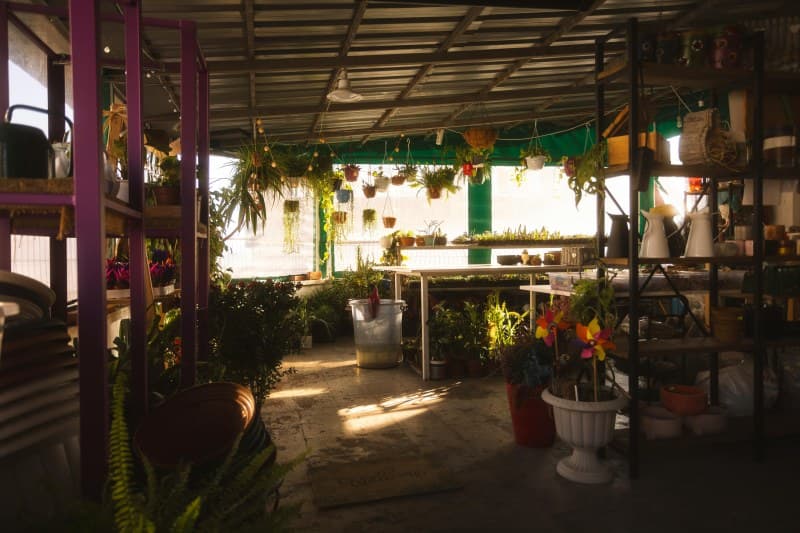
Last year, I bought a tiny basil plant from the grocery store, excited to add fresh leaves to my pasta. I watered it every day, placed it on the windowsill, and… it wilted in a week. Sound familiar? If you’re new to indoor herb gardening, you’re not alone in making small mistakes that kill your plants. Let’s break down the 4 most common ones and how to fix them.
4 Common Mistakes (And Their Quick Fixes)
1. Overwatering: The #1 Killer of Indoor Herbs
Most beginners think more water equals happier plants, but herbs like basil and rosemary hate sitting in soggy soil. Overwatering leads to root rot, which turns the stems brown and leaves yellow.
Fix: Stick your finger 1 inch into the soil. If it’s dry, water thoroughly. If it’s damp, wait a day or two. For pots without drainage holes, add a layer of pebbles at the bottom to catch excess water.
2. Not Giving Enough Light
Herbs are sun-lovers – they need 6-8 hours of direct sunlight daily. Placing them on a north-facing window or in a dark corner will make them leggy (long, thin stems) and less flavorful.
Fix: Move your herbs to a south-facing window. If you don’t have one, invest in an LED grow light (10-15 watts) and keep it on for 8 hours a day. Mint and chives are more tolerant of low light, but most herbs need bright light.
3. Ignoring Pruning
When you let herbs grow without pruning, they focus on producing seeds instead of new leaves. This makes them sparse and less useful for cooking.
Fix: Pinch off the top 1/3 of the plant every 2-3 weeks. This encourages bushiness and keeps your herbs producing fresh leaves for months.
4. Using the Wrong Soil
Regular potting soil can be too heavy for herbs. It retains too much moisture and doesn’t let roots breathe.
Fix: Use a well-draining potting mix made for herbs or add perlite (1 part perlite to 3 parts soil) to improve drainage.
Herb Needs Comparison Table
Not sure what each herb requires? Here’s a quick guide:
| Herb Name | Watering Frequency | Light Requirement | Soil Type |
|---|---|---|---|
| Basil | Every 2-3 days (dry top 1 inch) | 6-8 hours direct sun | Well-draining herb mix |
| Mint | Every 1-2 days (keep soil moist) | 4-6 hours indirect sun | Moist, fertile soil |
| Rosemary | Every 5-7 days (dry top 2 inches) | 8+ hours direct sun | Sandy, well-draining soil |
| Thyme | Every 3-4 days (dry top 1 inch) | 6-8 hours direct sun | Loose, well-draining soil |
A Classic Quote to Keep You Motivated
“A garden requires patient labor and attention. Plants do not grow merely to satisfy ambitions or to fulfill good intentions. They thrive because someone expended effort on them.” — Liberty Hyde Bailey
This quote reminds us that indoor herbs aren’t just decorative – they need consistent, intentional care. Even 5 minutes a day checking soil moisture or pruning can make a big difference.
Real-Life Success Story
My friend Sarah struggled with her mint plant for months. She kept it in a dark corner and watered it every day. After reading about common mistakes, she moved it to a south-facing window and cut back on watering. Within two weeks, her mint was lush and growing so fast she had to give some to neighbors!
FAQ: Your Burning Question Answered
Q: Can I grow herbs in just water (hydroponically)?
A: Yes! Herbs like basil, mint, and cilantro grow well in water. Simply cut a 4-6 inch stem from a healthy plant, remove the lower leaves, and place it in a jar of water. Change the water every 2-3 days. Keep in mind that hydroponic herbs may not be as flavorful as soil-grown ones, but they’re great for beginners.
Final Tips to Keep Your Herbs Thriving
1. Rotate your herbs every few days to ensure all sides get sunlight.
2. Fertilize once a month with a diluted liquid fertilizer (like fish emulsion) during the growing season.
3. Harvest regularly – the more you pick, the more your herbs will grow.
Don’t get discouraged if your first plant doesn’t make it. Gardening is a learning process, and every mistake teaches you something new. Happy growing!