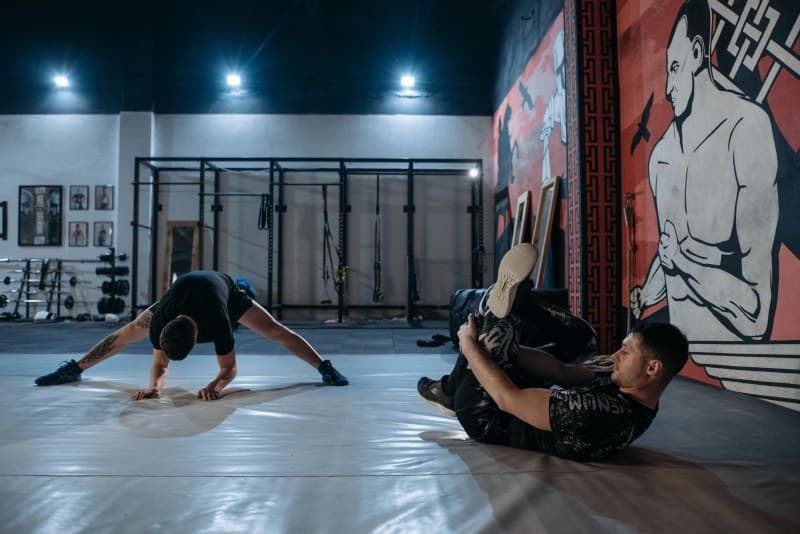
Last weekend, I watched my nephew’s soccer practice. The coach yelled at a kid for doing a standing hamstring stretch before drills: “No static stretches! They’ll make you slow!” But is that really true? Let’s dig in.
The Big Myth: Is Static Stretching Pre-Game Bad?
For years, coaches told athletes to skip static stretches (holding a position for 15+ seconds) before games. Early studies found long static stretches (over 60 seconds) reduced muscle power temporarily. But here’s the truth: short static stretches (15-30 seconds) don’t hurt performance—and can even help with tight muscles. The myth got overgeneralized, leaving many casual athletes confused.
5 Stretching Myths Debunked
Let’s break down the most persistent stretching myths and set the record straight:
| Myth | Truth | Key Takeaway |
|---|---|---|
| Static stretching before games kills performance | Only long static stretches (60+ sec) reduce power. Short ones (15-30 sec) are safe. | Stick to short static stretches pre-game, or focus on dynamic stretches. |
| You need to stretch every single day | Stretching 3-5 days a week is enough for most casual athletes. | Listen to your body—skip days if muscles are sore or fatigued. |
| More pain = better stretch | Pain means you’re overstretching, which can cause injury. | Stretch to a mild tension, not discomfort. |
| Stretching prevents all injuries | Stretching reduces injury risk but doesn’t eliminate it. Strength training and proper form matter too. | Combine stretching with other injury-prevention practices. |
| Dynamic stretching is only for pro athletes | Dynamic stretches (leg swings, high knees) are great for casual athletes to warm up muscles. | Add 5 minutes of dynamic stretches to your pre-game routine. |
How to Stretch Like a Pro (Even If You’re Casual)
My friend Mike, a weekend basketball player, used to skip stretching and get hamstring cramps every game. He started doing 5 minutes of dynamic stretches (leg swings, bodyweight squats) before games and 10 minutes of static stretches (hamstring holds, shoulder stretches) after. Now he rarely gets cramps and feels more flexible on the court.
“Stretching is the foundation of all movement.” — Jack LaLanne
LaLanne’s words ring true—stretching keeps our muscles flexible and ready for movement. But doing it the wrong way can do more harm than good. Focus on the right type of stretch at the right time.
FAQ: Your Stretching Questions Answered
Q: I’m short on time—can I skip stretching?
A: Short answer: No, but you can make it efficient. Even 5 minutes of dynamic stretches pre-activity and 5 minutes of static post-activity helps. Focus on tight areas like hamstrings or shoulders.
Q: Should I stretch before or after a workout?
A: Dynamic stretches (moving stretches) are best before a workout to warm up muscles. Static stretches (holding positions) are better after to cool down and improve flexibility.