It’s 7 AM, and you’re rushing out the door. You grab your phone, only to realize you forgot to plug it in last night. But wait—your wireless charger is on the kitchen counter. You set it down, grab your coffee, and by the time you’re ready to leave, it’s got enough juice to get you through the morning. That’s the magic of wireless charging, but how does it actually work? And why do some people swear it’s slower or unsafe?
The Basics: How Wireless Charging Works
At its core, wireless charging uses inductive coupling—a process where an electric current flows through a coil in the charger, creating a magnetic field. When your device (with its own coil) is placed on the charger, this field induces a current in the device’s coil, which charges the battery. Think of it like two magnets: when they’re close enough, they interact, even without touching.
6 Key Wireless Charging Technologies (and How They Stack Up)
Not all wireless chargers are the same. Here’s a breakdown of the most common technologies:
| Technology | Compatibility | Charging Speed | Best Use Case |
|---|---|---|---|
| Qi (Inductive) | Most Android/iOS devices | Up to 15W | Everyday home/office charging |
| PMA (Power Matters Alliance) | Older Samsung, LG devices | Up to 10W | Legacy device support |
| AirFuel Resonant | Select Samsung, Sony devices | Up to 30W | Fast charging for large devices (tablets) |
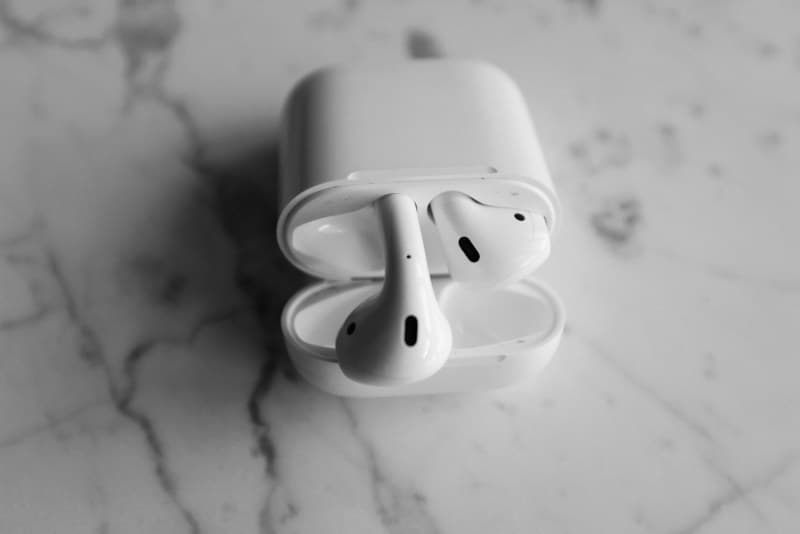
| MagSafe (Apple) | iPhone 12+, AirPods Pro 2 | Up to 15W (Apple)/20W (third-party) | Precise alignment, accessory compatibility |
| Reverse Wireless Charging | Flagship Android (Samsung, Google), iPhone 15+ | Up to 5W | Charging small devices (earbuds) on the go |
| Long-Range Wireless Charging | Limited (e.g., Xiaomi Mi Air Charge) | Up to 5W (at 3m) | Charging without placing device on charger |
Common Myths About Wireless Charging (Debunked)
Let’s clear up some misconceptions:
- Myth: Wireless charging is always slower than wired. Not true! MagSafe charges at 15W, which is faster than many basic wired chargers. High-end AirFuel Resonant chargers can hit 30W, matching some fast wired options.
- Myth: It’s unsafe for your device. Certified chargers (like Qi or MagSafe) have built-in safety features—overheat protection, short-circuit prevention, and voltage regulation. Just avoid cheap, uncertified chargers.
- Myth: You can’t charge through phone cases. Most thin cases (plastic, silicone) work fine. Thick cases (over 3mm) or those with metal parts (like card holders) might block the magnetic field.
Practical Tips for Better Wireless Charging at Home
Want to get the most out of your wireless charger? Try these:
- Use certified chargers: Look for Qi or MagSafe logos to ensure compatibility and safety.
- Position correctly: Align your device’s coil with the charger’s coil (most chargers have a guide mark).
- Remove metal objects: Keys, credit cards, or metal phone cases can interfere with charging or cause overheating.
- Keep it cool: Wireless charging generates more heat than wired—avoid placing the charger in direct sunlight or on soft surfaces (like beds) that trap heat.
A Relatable Story: How Wireless Charging Changed My Morning Routine
My friend Sarah used to struggle with forgetting to charge her phone. She’d wake up to a dead battery and spend 10 minutes fumbling with cables before work. Then she got a wireless charger for her nightstand. Now, she just drops her phone on the charger before bed—no plugging in required. “It’s such a small change, but it’s made my mornings way less stressful,” she says. “I don’t have to worry about tangled cables or missing the charging port anymore.”
FAQ: Your Wireless Charging Questions Answered
Q: Can I charge multiple devices at the same time with one wireless charger?
A: Yes! Many multi-device chargers can power 2-3 devices (like a phone, AirPods, and smartwatch) at once. Just make sure each device is aligned with its own coil on the charger.
Q: Does wireless charging damage my battery over time?
A: No more than wired charging. Modern devices have battery management systems that prevent overcharging, whether you’re using wired or wireless.
Final Thought: The Future of Wireless Charging
“Innovation is taking two things that exist and putting them together in a new way.” — Tom Freston
Wireless charging is a perfect example of this—combining inductive coupling (a 19th-century discovery) with modern mobile devices to create a more convenient way to power our lives. As long-range charging technology improves, we might soon see devices charging from across the room, making cables a thing of the past.