Last weekend, I watched my friend Lisa sear a steak until it was a deep golden brown, muttering, “Gotta seal in those juices.” But when she sliced it open, the plate was pooled with liquid. Turns out, she’d been buying into one of the oldest cooking myths around.
The Searing Myth: What Science Actually Says
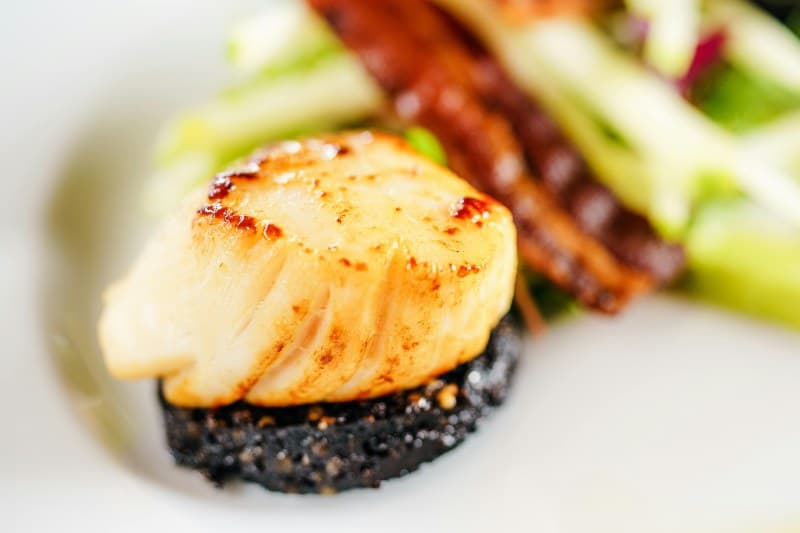
For decades, home cooks have believed searing meat locks in moisture. But food scientists at Harvard say otherwise: searing creates a Maillard reaction—a chemical process that browns the surface and adds rich, savory flavor. It doesn’t seal juices; in fact, some moisture escapes during searing. The real secret to juiciness? Resting meat after cooking so juices redistribute.
5 Common Cooking Myths to Stop Believing
- Myth 1: Salt dries out meat → Truth: Salt draws out moisture, but if you let it sit (30 mins to 2 hours), the meat reabsorbs the liquid, making it tender and juicy.
- Myth 2: Stir pasta nonstop to prevent sticking → Truth: Stir once right after adding pasta to the pot. Stirring more can break the noodles and dilute the sauce.
- Myth 3: Cast iron pans are high-maintenance → Truth: Season your pan regularly (coat with oil and bake at 350°F for 1 hour). Clean with hot water and a brush—no soap needed.
- Myth 4: Fresh herbs can’t be frozen → Truth: Chop herbs like basil or cilantro, place in ice cube trays with olive oil, and freeze. They’ll stay fresh for months.
- Myth 5: You need to boil water before adding pasta → Truth: Cold water works too! Just add pasta and salt to cold water, bring to a boil, and cook—saves time and energy.
Cooking Methods: Flavor vs Juiciness 🥩
Not sure which method to use for your next meal? Here’s a quick comparison:
| Method | Flavor Boost | Juiciness Level | Best For |
|---|---|---|---|
| Searing | Maillard reaction (crunchy crust) | Medium (if rested) | Steaks, pork chops |
| Braising | Slow cooking in liquid (rich, deep flavor) | High | Beef short ribs, lamb shanks |
| Roasting | Even browning (herbs/spices infuse) | High (if covered initially) | Whole chickens, root veggies |
A Story of Juicy Success
Back to Lisa: After learning the searing myth, she tried brining her chicken breasts (1 cup salt per gallon of water, 30 mins soak) before pan-searing. The result? Juicy, flavorful chicken that didn’t leave a pool of liquid on her plate. She now swears by brining for all her meat dishes.
Pro Tips for Juicy, Flavorful Meals
- Brine tough cuts (like chicken thighs) for 1-2 hours to tenderize.
- Rest meat for 5-10 mins after cooking—this lets juices spread evenly.
- Use a meat thermometer to avoid overcooking: 145°F for medium-rare steak, 165°F for chicken.
A Word From the Pros
“The only real stumbling block is fear of failure. In cooking you’ve got to have a what-the-hell attitude.” — Julia Child
Julia’s words ring true here. Don’t be afraid to experiment beyond the myths—you might just discover a new favorite way to cook.
FAQ: Your Cooking Questions Answered
Q: If searing doesn’t seal juices, why do people do it?
A: For the flavor! The Maillard reaction adds depth that can’t be replicated with other methods. It’s all about taste, not moisture.
Q: Can I freeze fresh herbs without oil?
A: Yes! Place them in a zip-top bag and squeeze out air. They’ll be slightly wilted when thawed, but perfect for soups or sauces.
Q: How do I season a cast iron pan?
A: Wash the pan with hot water and dry thoroughly. Coat with a thin layer of oil (like canola or vegetable). Bake at 350°F for 1 hour, then let cool. Repeat every few uses.
Next time you’re in the kitchen, skip the myths and focus on what works. Your taste buds (and your plate) will thank you!