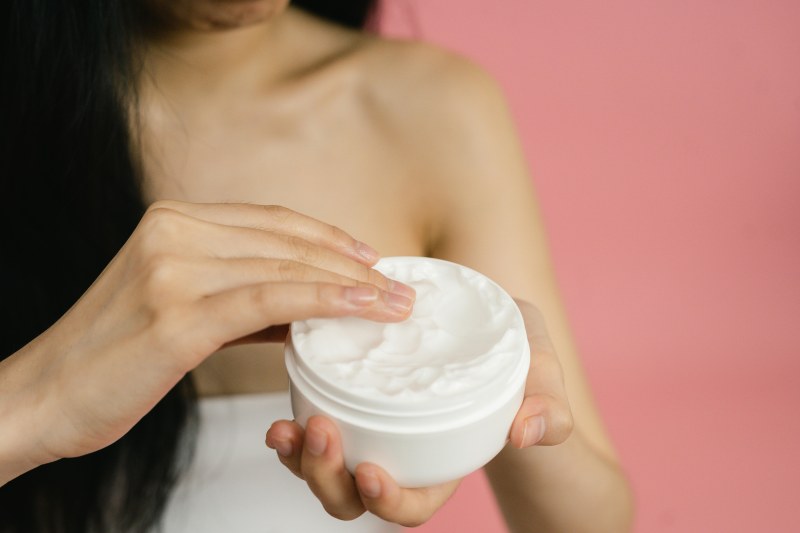
My friend Lila spent months bouncing between moisturizers—she tried a thick cream that left her T-zone shiny by noon, then a gel that made her cheeks feel tight and flaky. Sound familiar? Picking the right moisturizer isn’t just about grabbing the first bottle on the shelf; it’s about matching it to your skin’s unique needs. Let’s break down how to find your perfect fit.
The Role of Moisturizer: More Than Just Hydration
Moisturizers do more than quench dry skin—they lock in existing moisture, protect your skin’s natural barrier from environmental stressors (like pollution), and can even soothe irritation. Skipping it can lead to dullness, breakouts, or increased sensitivity. As the old saying goes:
“You reap what you sow” — Unknown
This rings true for skincare. Consistently using the right moisturizer is an investment in your skin’s long-term health, not a quick fix.
7 Moisturizer Types to Match Your Skin
Not all moisturizers are created equal. Here’s a breakdown of 7 common types, their best skin matches, and what to expect:
| Moisturizer Type | Best Skin Type | Pros | Cons |
|---|---|---|---|
| Cream | Dry, mature | Rich hydration, long-lasting, nourishes deep layers | May feel heavy or greasy on oily skin |
| Gel | Oily, combination, acne-prone | Lightweight, non-greasy, absorbs fast, controls shine | Not enough hydration for very dry skin |
| Lotion | Normal, combination | Balanced hydration, versatile, easy to apply | May not be intense enough for extreme dryness |
| Oil | Dry, sensitive (non-comedogenic options) | Deep nourishment, adds natural glow, soothes irritation | Can clog pores for acne-prone skin |
| Serum | All (targeted needs) | Concentrated active ingredients (e.g., hyaluronic acid), fast absorption | Needs to be layered with a moisturizer for full protection |
| Balm | Very dry, chapped areas (e.g., cheeks, lips) | Intense repair, creates a protective barrier against harsh weather | Greasy, not ideal for full-face daily use |
| Hybrid (Cream-Gel) | Combination, sensitive | Hydrating without heaviness, balances oily and dry areas | May be pricier than single-type products |
Pro Tips to Narrow Down Your Choice
Check the Ingredient List 💡
Look for ingredients tailored to your skin:
- Dry skin: Hyaluronic acid, shea butter, or ceramides.
- Oily skin: Salicylic acid (to unclog pores) or niacinamide (to control oil).
- Sensitive skin: Aloe vera, chamomile, or fragrance-free formulas.
Test Before You Buy
Apply a small amount to your inner arm or jawline and wait 24 hours. If you notice redness, itching, or breakouts, it’s not the right fit. Many stores offer sample sizes—take advantage of them!
Consider Your Climate
Your moisturizer should change with the seasons:
- Summer: Lightweight gel or lotion to avoid greasiness.
- Winter: Thick cream or oil to combat dry, cold air.
Common Questions Answered
Q: Can I skip moisturizer if my skin is oily?
A: No! Oily skin still needs hydration. Skipping moisturizer can trigger your skin to produce more oil to compensate, leading to more breakouts. Opt for a lightweight gel or oil-free lotion instead.
Q: Should I use the same moisturizer for day and night?
A: It depends. Daytime moisturizers often have SPF (a must for sun protection), while night creams are thicker and focus on repair. If your daytime moisturizer doesn’t have SPF, add a separate sunscreen layer.
Finding the right moisturizer takes a little trial and error, but once you do, your skin will thank you. Remember: The best moisturizer is the one that feels good on your skin and fits your lifestyle. Happy testing!