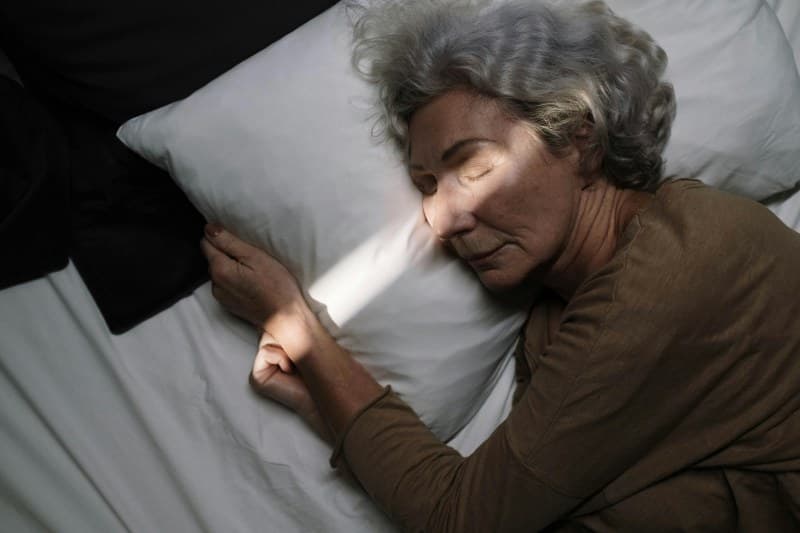
Imagine lying in bed at 1 a.m., staring at the ceiling, and wondering why you can’t fall asleep. You’ve tried everything—meditation, herbal teas, even counting sheep—but nothing works. For many people, the problem isn’t in their routine; it’s in their bedroom. Let’s dive into how your space shapes your rest.
7 Bedroom Factors That Shape Your Sleep Quality 🌙
1. Light Exposure
Blue light from phones, TVs, or even streetlights can suppress melatonin, the hormone that regulates sleep. A common myth? “A little screen time before bed won’t hurt.” But studies show even 10 minutes of blue light can delay melatonin production by an hour.
2. Temperature
Your body needs to cool down to fall asleep. The ideal bedroom temperature is 60-67°F (15-19°C). Myth: “Warm rooms are cozier for sleep.” In reality, a warm room can disrupt your body’s natural cooling process, leading to restless nights.
3. Noise Levels
Consistent background noise (like white noise) can mask sudden sounds (e.g., a car horn) and help you sleep. Myth: “Complete silence is best.” For many, silence makes small noises feel louder, keeping the brain alert.
4. Clutter
Visual chaos (stacks of books, dirty clothes) increases stress hormones like cortisol. This makes it harder to wind down. Myth: “Clutter doesn’t affect sleep.” A 2015 study linked cluttered bedrooms to poorer sleep quality.
5. Mattress & Pillow Quality
Your mattress should support your spine, and your pillow should keep your neck aligned. Myth: “Expensive = better.” What matters most is comfort and support—you don’t need a luxury mattress to sleep well.
6. Air Quality
Dust mites, pollen, or dry air can irritate your nose and throat, disrupting sleep. Ideal humidity is 40-60%. Myth: “Opening a window always helps.” In areas with high pollen or pollution, it might make things worse.
7. Color Scheme
Calm colors like blue or green promote relaxation. Bright colors (red, orange) can stimulate the brain. Myth: “Dark colors make rooms feel smaller.” Dark, muted colors (like deep blue) can create a cozy, sleep-friendly vibe.
Let’s break down three key factors, their pitfalls, and easy fixes:
| Factor | Common Issue | Myth to Debunk | Quick Fix |
|---|---|---|---|
| Light | Blue light from phones/TVs | “A little screen time won’t hurt” | Use blackout curtains; night mode 1 hour before bed |
| Temperature | Room too warm (above 67°F) | “Warm rooms are cozier” | Set thermostat to 60-67°F; breathable bedding |
| Clutter | Piled items on nightstand | “Clutter doesn’t affect sleep” | 5-minute nightly tidy; storage bins for excess |
“A good laugh and a long sleep are the best cures in the doctor's book.” — Irish Proverb
This old saying highlights sleep’s healing power, but it’s easy to overlook your bedroom’s role. Even small changes can turn restless nights into rejuvenating ones.
Real-Life Story: Lila’s Sleep Transformation
Lila, a 32-year-old graphic designer, struggled with insomnia for months. She tried meditation apps and herbal teas, but nothing stuck—until she looked at her bedroom. Her window faced a streetlight, thermostat at 72°F, and nightstand piled with projects.
She swapped thin curtains for blackout ones, turned the thermostat to 65°F, and spent 10 minutes nightly clearing her nightstand. Within a week, she fell asleep 20 minutes faster and woke up refreshed. “I never thought my messy desk was the problem,” she says. “It’s the little things that count.”
FAQ: Common Bedroom Sleep Questions
Q: Can plants in the bedroom help sleep?
A: Yes! Non-toxic plants like snake plants or lavender improve air quality and promote relaxation. Snake plants even release oxygen at night, which is good for sleep. Avoid plants that require frequent watering (they can increase humidity too much).
Q: Is it okay to have a TV in the bedroom?
A: It’s better to avoid it. The blue light from TVs disrupts melatonin, and the temptation to watch just one more episode can delay sleep. If you must keep it, use a blue light filter and set a strict “off” time.
Your bedroom is more than just a place to sleep—it’s a sanctuary. By making small, intentional changes, you can turn it into a space that helps you get the rest you need.