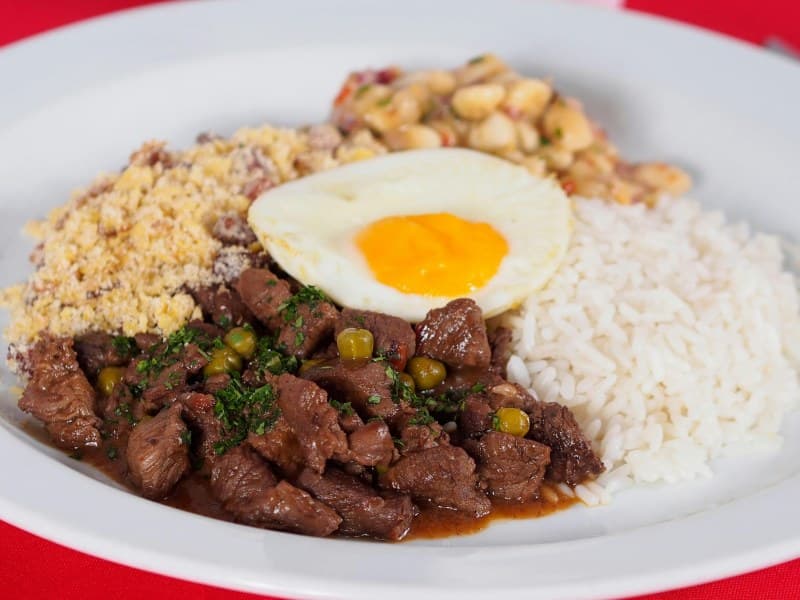
You’ve just finished a hearty lunch, and your sneakers are calling—should you lace up for a walk or hit pause? For years, we’ve heard the warning: don’t exercise after eating, or you’ll get cramps, upset your stomach, or even harm your digestion. But is that really true? Let’s dive into the truth behind this common belief and debunk 6 myths that might be holding you back from staying active.
The Big Myth: Is Exercising After Eating Actually Bad?
The short answer: It depends. For most people, light to moderate exercise (like a 20-minute walk or gentle yoga) right after eating is totally fine—even beneficial. It can help with digestion by stimulating blood flow to the gut and reducing bloating. The problem arises when you jump into intense workouts (like HIIT or sprinting) immediately after a large, heavy meal. That’s when you might experience discomfort like cramping or nausea, as your body is trying to digest food and fuel your muscles at the same time.
6 Common Post-Meal Exercise Myths Debunked
Myth 1: Any Exercise After Eating Causes Cramping
Truth: Cramping is more likely if you do intense exercise on a full stomach, not any exercise. A slow walk or stretching won’t usually trigger cramps—they’re caused by your body struggling to supply both muscles and digestive system with blood during high-intensity activity.
Myth 2: You’ll Burn Fat Better If You Wait 2 Hours
Truth: Fasted exercise (working out on an empty stomach) might burn a slightly higher percentage of fat, but the total number of calories burned is often lower than if you exercise after eating. Plus, eating a small snack (like a banana or yogurt) before a workout can give you energy to push harder, leading to more overall fat loss over time.
Myth 3: Post-Meal Exercise Diverts Blood From Digestion (Stopping It Altogether)
Truth: Your body is smart—it can handle both digestion and light exercise at the same time. While blood flow to muscles increases during exercise, there’s still enough blood going to your gut to keep digestion going. Intense exercise might slow digestion temporarily, but it doesn’t stop it completely.
Myth 4: Running After Eating Will Make You Throw Up
Truth: This is possible, but only if you run hard right after a big meal. If you wait 30-60 minutes (or longer for a heavy meal) and start with a slow jog, you’re unlikely to feel sick. Listen to your body—if you feel full, take it easy.
Myth 5: You Should Avoid All Carbs Before Exercise To Prevent Discomfort
Truth: Carbs are your body’s main energy source. Eating a small amount of complex carbs (like oats or whole-grain bread) before exercise can give you the fuel you need. The key is to avoid large portions of simple carbs (like candy or pastries) which can cause a sugar crash or bloating.
Myth 6: Post-Meal Workouts Are Less Effective Than Fasted Ones
Truth: Effectiveness depends on your goals. If you’re training for strength or endurance, having energy from food can help you perform better. Fasted workouts might be good for some, but they’re not the only way to get results.
Which Exercises Are Safe Post-Meal? A Quick Guide
Wondering which workouts to pick after eating? Here’s a breakdown of exercise types and their suitability:
| Exercise Type | Recommended Wait Time (After Eating) | Potential Discomfort Risk | Key Benefits |
|---|---|---|---|
| Light (Walking, Gentle Yoga) | 0-30 minutes | Low | Aids digestion, reduces bloating |
| Moderate (Brisk Walk, Cycling) | 30-60 minutes | Medium (if too soon) | Boosts energy, burns calories |
| Intense (HIIT, Sprinting) | 1-2 hours (or longer for heavy meals) | High (if too soon) | Maximizes calorie burn, builds strength |
Practical Tips For Exercising After Eating
- 🍎 Eat small, balanced meals before exercise (protein + carbs) to avoid feeling too full.
- 🚶 Start with light exercise if you’re unsure—you can always increase intensity later.
- 💧 Stay hydrated, but avoid drinking too much water right after eating (it can dilute stomach acid).
- Listen to your body: If you feel discomfort, slow down or stop. Everyone’s tolerance is different.
At the end of the day, there’s no one-size-fits-all rule for exercising after eating. The key is to pay attention to your body, choose the right type of exercise, and give yourself enough time to digest if you’re planning an intense workout. So next time you finish a meal and feel like moving, don’t let old myths hold you back—go for that walk or do a few stretches. Your body will thank you.