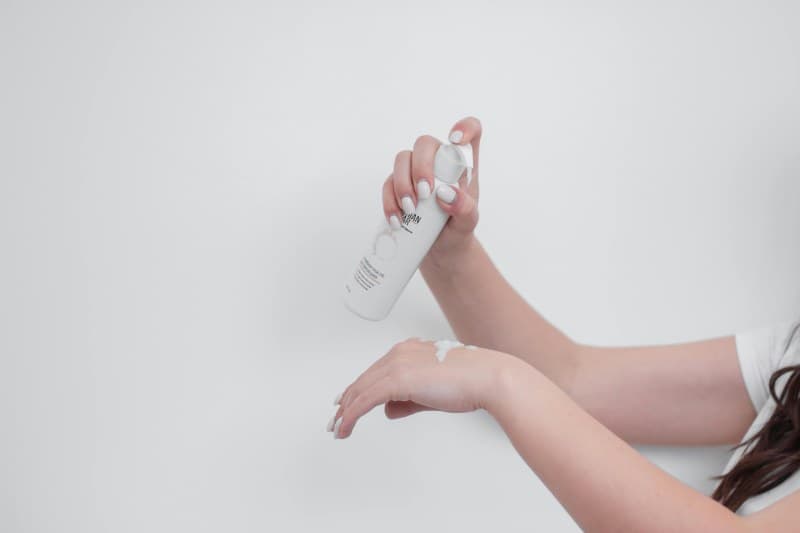
Let’s start with a story: Mia has struggled with oily skin since high school. She avoided moisturizer like the plague, thinking it would make her face shinier than a summer sidewalk. But her skin got worse—breakouts popped up, and her T-zone felt tight and greasy all at once. Then a dermatologist told her the secret: her skin was overproducing oil because it was dehydrated. A lightweight, non-comedogenic moisturizer changed everything.
The truth about moisturizing oily skin
Oily skin doesn’t mean your skin has too much moisture—it means it’s out of balance. When your skin lacks hydration, it ramps up oil production to compensate. Skipping moisturizer only makes this cycle worse. The right moisturizer can calm oiliness and keep your skin’s barrier healthy.
4 common moisturizer myths debunked
Myth 1: Oily skin doesn’t need moisturizer
As Mia learned, this is false. Oily skin can be dehydrated. A gel-based moisturizer (like one with hyaluronic acid) adds hydration without clogging pores.
Myth 2: Thick moisturizers are always better for dry skin
Not necessarily. Some thick creams contain heavy ingredients that can irritate sensitive dry skin. Look for creams with shea butter or ceramides—they lock in moisture without feeling heavy.
Myth3: You only need moisturizer in winter
Heating in winter dries skin, but air conditioning in summer does too. Your skin needs hydration year-round. Swap to a lighter lotion in summer if thick creams feel too much.
Myth4: All moisturizers are the same
Moisturizers are formulated for different skin needs. Gel moisturizers work for oily skin, creams for dry, and lotions for combination. Always check the label for non-comedogenic (won’t clog pores) or hypoallergenic (gentle) options.
Which moisturizer fits your skin type?
Here’s a quick guide to match your skin to the right moisturizer:
| Skin Type | Best Moisturizer Type | Key Ingredients | Notes |
|---|---|---|---|
| Oily | Gel-based | Hyaluronic acid, niacinamide | Non-comedogenic to avoid breakouts |
| Dry | Cream-based | Shea butter, ceramides | Lock in moisture for long hours |
| Combination | Lotion | Glycerin, aloe vera | Light enough for T-zone, hydrating for dry areas |
| Sensitive | Fragrance-free cream | Colloidal oatmeal, chamomile | Avoid harsh chemicals |
“Balance is the key to everything. What we do, think, say, eat, feel—all of it needs to be balanced.” — Kobe Bryant
This quote rings true for skincare. Moisturizing is about finding balance: not too much, not too little, just the right amount for your skin type.
FAQ: Your moisturizer questions answered
Q: How often should I apply moisturizer?
A: Twice a day—once in the morning (before sunscreen) and once at night (after cleansing). If your skin feels extra dry (like after a flight), add a thin layer midday.
Final tip
Don’t judge a moisturizer by its price. Drugstore options can work just as well as high-end ones. The best moisturizer is the one that fits your skin type and feels comfortable to wear.