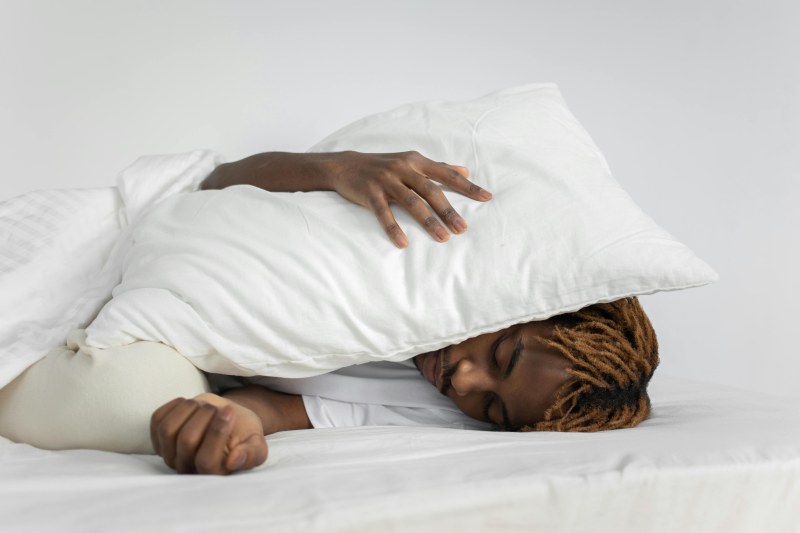
Sarah’s 10 PM routine used to involve scrolling through social media until her eyes burned. She’d then toss and turn for an hour, waking up groggy and irritable. Sound familiar? Many of us struggle with sleep quality—not just quantity. Let’s dive into 7 habits that actually work, plus bust some persistent myths.
7 Science-Backed Sleep Habits to Try Tonight
1. Stick to a Consistent Sleep Schedule
Our circadian rhythm (the body’s internal clock) thrives on routine. Going to bed and waking up at the same time daily—even on weekends—helps regulate melatonin, the sleep hormone. Sarah started going to bed at 10:30 PM and waking at 6:30 AM, and within two weeks, she fell asleep 20 minutes faster.
2. Cut Screen Time 1 Hour Before Bed
Blue light from phones, TVs, and laptops suppresses melatonin. Try swapping screen time for a physical book, gentle stretching, or a warm cup of herbal tea. Sarah replaced her late-night scrolling with a 15-minute meditation app, and her sleep depth improved.
3. Keep Your Bedroom Dark & Cool
Darkness signals your body to produce melatonin. Use blackout curtains if streetlights are bright. The ideal sleep temperature is 60-67°F (15-19°C)—cool enough to keep you comfortable without shivering.
4. Limit Caffeine After 2 PM
Caffeine has a half-life of 6 hours, meaning a 3 PM coffee can still affect your sleep at 9 PM. Opt for decaf or herbal drinks in the afternoon.
5. Try a Pre-Sleep Wind-Down Routine
Yoga, deep breathing, or a warm bath can lower stress hormones like cortisol. Even 5 minutes of slow, deep breaths (inhale 4 seconds, hold 4, exhale 6) can calm your mind.
6. Avoid Heavy Meals & Alcohol Before Bed
Heavy meals cause indigestion, while alcohol disrupts deep sleep stages. If you’re hungry, try a light snack like a banana or a handful of almonds.
7. Get Natural Light in the Morning
10 minutes of sunlight within an hour of waking helps set your circadian rhythm. Sarah started drinking her morning coffee by the window, and she noticed she felt less drowsy during the day.
Sleep Habit Comparison: Which Fits Your Lifestyle?
Let’s compare 3 key habits to see which works best for you:
| Habit | Effort Level | Time to See Results | Pros | Cons |
|---|---|---|---|---|
| Consistent Schedule | Low | 1-2 weeks | Regulates circadian rhythm; improves long-term sleep quality | Hard to stick to on weekends |
| Screen-Free Before Bed | Medium | 3-5 days | Boosts melatonin; reduces eye strain | Requires replacing screen time with other activities |
| Dark Room | High (if using blackout curtains) | Immediate | Deepens sleep; reduces nighttime awakenings | May be costly if buying new curtains |
Busting Common Sleep Myths
Myth 1: You need 8 hours of sleep every night. Truth: Some people function well on 7 hours, others need 9. It’s about quality, not just quantity.
Myth 2: Napping during the day ruins nighttime sleep. Truth: Short naps (20-30 minutes) can boost energy without disrupting your sleep cycle.
A Classic Wisdom on Sleep
“Early to bed and early to rise makes a man healthy, wealthy, and wise.” — Benjamin Franklin
This old saying aligns with modern science: a consistent sleep schedule (whether early or not, as long as it’s regular) is key to overall well-being. Franklin’s advice isn’t just about productivity—it’s about respecting your body’s natural rhythm.
FAQ: Your Sleep Questions Answered
Q: Can I make up for lost sleep on weekends?
A: While catching up on sleep can help reduce fatigue, it disrupts your circadian rhythm. Instead, aim for a consistent schedule—adjust by 30 minutes on weekends instead of 2 hours.
Sleep is a foundation of health. Try one or two of these habits this week—you might be surprised by how much better you feel. Remember, small changes add up to big results.