Last month, my friend Mia spent 2 hours crushing leg day for the first time in months. The next day, she could barely climb her apartment stairs or sit down without wincing. She immediately skipped all workouts for a week, convinced any movement would make her soreness worse. But when she finally laced up her sneakers again, she realized she’d lost some of her hard-earned strength. Was she right to rest completely? Let’s break down the truth about muscle soreness and recovery.
The Big Myth: Rest vs. Active Recovery
Delayed Onset Muscle Soreness (DOMS)—that stiff, achy feeling 24-72 hours after a tough workout—is normal. But the idea that you have to lie on the couch until it’s gone? That’s a myth. Active recovery (light movement like walking, swimming, or gentle yoga) boosts blood flow to sore muscles, which helps flush out waste products and speed up repair. Passive recovery (sleeping, resting) is important too, but balancing both is key.
6 Common Recovery Myths Debunked
- Myth 1: You should rest completely until soreness disappears.
Truth: Light movement reduces soreness faster than total rest. Try a 20-minute walk or stretching session. - Myth 2: Ice is the only way to soothe sore muscles.
Truth: Heat (like a warm bath) works better for chronic soreness, as it relaxes tight muscles. Ice is great for acute injuries, though. - Myth 3: Static stretching before workouts prevents soreness.
Truth: Dynamic stretches (arm circles, leg swings) warm up muscles before exercise. Static stretches (holding a pose) are best after workouts to reduce tightness. - Myth 4: Chugging protein right after a workout fixes soreness.
Truth: Consistently eating protein over 24 hours (about 0.8-1g per pound of body weight) is more effective for muscle repair than a single post-workout shake. - Myth 5: Massages are just a luxury.
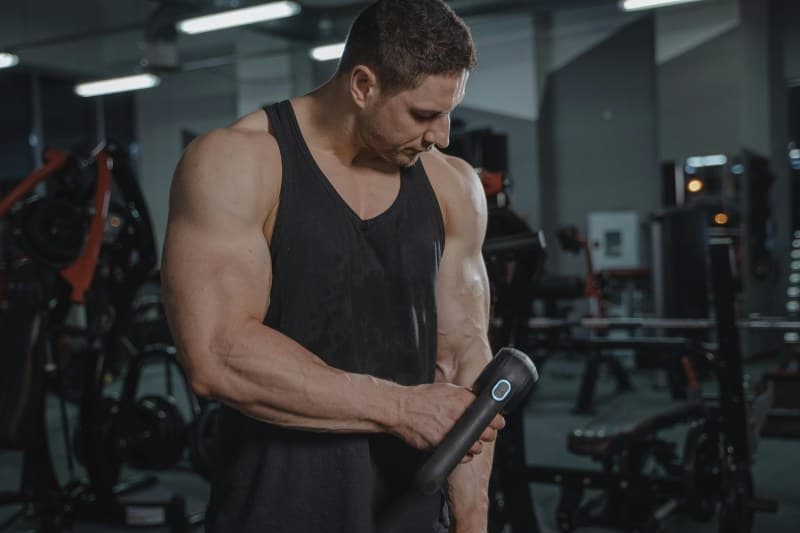
Truth: Massages reduce muscle tension, improve circulation, and can cut DOMS duration by up to 30% (studies show). - Myth 6: Sleep doesn’t affect recovery.
Truth: Your body repairs muscles most during deep sleep. Aim for 7-9 hours nightly to maximize recovery.
Active vs. Passive Recovery: Which to Choose?
Not sure when to move or rest? Here’s a quick comparison:
| Type | What It Is | Best For | Example |
|---|---|---|---|
| Active Recovery | Light, low-intensity movement | DOMS, post-intense workout days | Yoga, walking, swimming laps |
| Passive Recovery | No intentional movement (rest/sleep) | Acute injuries, extreme fatigue | Napping, reading, lying down |
Wisdom to Keep in Mind
“It does not matter how slowly you go as long as you do not stop.” — Confucius
This classic quote rings true for recovery. Even small, consistent movements help you stay on track. Mia learned this the hard way—next time she’s sore, she plans to do a gentle yoga flow instead of skipping workouts entirely.
FAQ: Your Recovery Questions Answered
Q: How long should I wait to work out the same muscle group again?
A: For intense strength training, give muscles 48-72 hours to recover. In the meantime, focus on other muscle groups or do active recovery for the sore area.
Q: Is it okay to workout with mild soreness?
A: Yes! Mild soreness (where you can move without sharp pain) is a sign your muscles are adapting. Just avoid heavy weights or high-intensity movements for the sore area.
Quick Recovery Hacks to Try Today
- Drink 8-10 cups of water daily (dehydration makes soreness worse).
- Use a foam roller for 5 minutes post-workout to release tight muscles.
- Add a handful of nuts or a protein bar to your post-workout snack (for sustained protein).
Recovery isn’t about stopping—it’s about moving smart. Next time you’re sore, skip the couch and try a short walk or stretch. Your muscles (and your progress) will thank you.