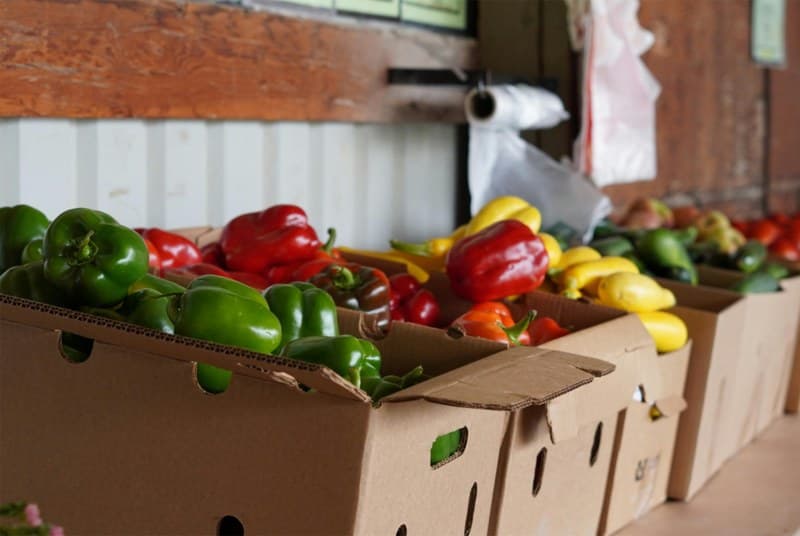
Last week, my roommate Sarah dumped a bowl of fresh strawberries into the sink, squirted a dollop of dish soap, and started stirring. “Pesticides,” she said, like it was obvious. When she took a bite later, her face twisted—those strawberries tasted like a dish sponge. That moment made me realize how many myths float around about cleaning fruits and veggies.
The Truth About Soap and Produce
First things first: you don’t need soap to clean produce. The FDA and USDA both warn against using dish soap or detergent on fruits and veggies. Why? Soap residues can stick to the skin (especially on porous items like berries) and might be harmful if ingested. Water alone is often enough to remove most dirt and surface pesticides. For stubborn cases, a mild solution of vinegar or baking soda works better.
6 Common Produce Cleaning Myths Debunked
Let’s break down the most persistent myths and set the record straight:
| Myth | Fact |
|---|---|
| Soap is the only way to kill pesticides. | Water removes 98% of surface pesticides. For extra care, use 1 part vinegar to 3 parts water. |
| Organic produce doesn’t need washing. | Organic still gets dirt, bacteria, or cross-contamination from handling. Always wash! |
| Peeling removes all pesticides. | Peeling can remove some, but it also strips nutrients (like apple skin’s fiber). Scrub instead. |
| Freezing produce kills pesticides. | Freezing doesn’t break down pesticides—wash before freezing. |
| Brushing is bad for soft fruits. | Soft fruits (like berries) don’t need brushing, but gentle rubbing under water works. |
| Commercial produce washes are better than home remedies. | Studies show vinegar or baking soda are just as effective (and cheaper). |
“An ounce of prevention is worth a pound of cure.” — Benjamin Franklin
This old saying rings true here. Taking a minute to wash produce properly (without overcomplicating it) prevents unnecessary risks, whether it’s pesticide residue or bacteria. You don’t need fancy products—simple steps go a long way.
Practical Cleaning Tips for Different Produce
Not all produce is the same. Here’s how to clean common items:
- 🍎 Thin-skinned fruits (apples, pears): Scrub with a soft brush under running water. No soap needed.
- 🥦 Leafy greens (spinach, kale): Soak in cold water for 5 minutes, then rinse. Dry with a salad spinner to remove excess moisture.
- 🍓 Berries (strawberries, blueberries): Gently rinse under cool water. Don’t soak—they absorb water and get mushy.
- 🥕 Root veggies (carrots, potatoes): Scrub with a brush to remove dirt. Peeling is optional.
FAQ: Your Burning Questions Answered
Q: What’s the best way to clean grapes?
A: Gently swish them in a bowl of water with a teaspoon of baking soda for 2 minutes, then rinse. This helps remove any waxy coating or pesticides.
Q: Can I use lemon juice to clean produce?
A: Yes! Lemon juice has natural antibacterial properties. Mix 1 tablespoon of lemon juice with 2 cups of water, soak for 5 minutes, then rinse.
Next time you reach for that dish soap, remember: simple is better. Your fruits and veggies (and your taste buds) will thank you.