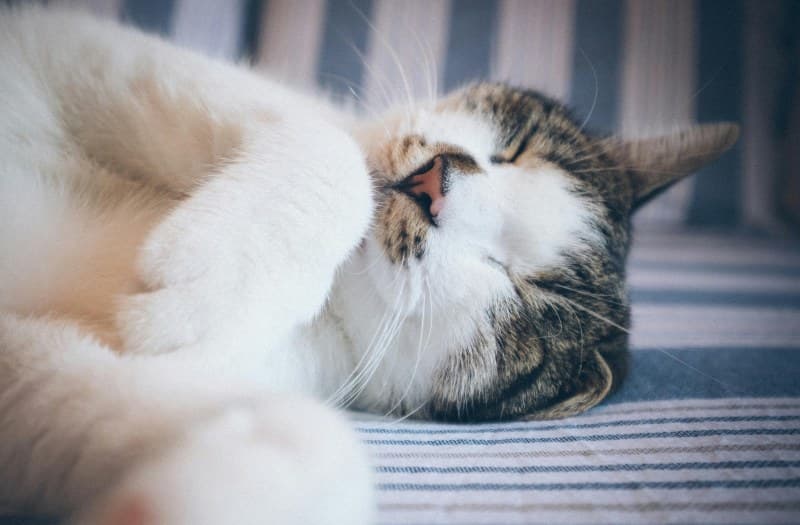
Let’s start with a relatable story: My friend Sarah used to take 2-hour afternoon naps to beat work fatigue. But she’d wake up groggy, her focus scattered, and she’d toss and turn at night. After learning about the science of napping, she switched to 25-minute power naps. Now she’s refreshed by 2 PM, finishes her work on time, and sleeps like a log at night. Napping isn’t just for lazy afternoons—it’s a tool, but only if you do it right.
What’s the Science Behind Napping?
Before we dive into the surprises, let’s break down the most common nap types. Each has its own purpose and effect on your body.
| Nap Type | Duration | Key Benefits | Best For | Potential Downsides |
|---|---|---|---|---|
| Power Nap | 20-30 mins | Boosts alertness, improves mood, short-term memory | Busy professionals, students cramming | None if timed right |
| Recovery Nap | 60 mins | Enhances long-term memory, creativity | People who missed sleep the night before | Mild sleep inertia (grogginess) |
| Full Cycle Nap | 90 mins | Complete physical recovery, deep rest | Shift workers, athletes | May disrupt nighttime sleep if taken late |
6 Surprising Facts About Napping
Now, let’s get to the fun stuff—facts that might change how you nap forever.
1. The ideal nap duration is 20-30 minutes
Going beyond 30 minutes means you enter deep sleep, which leads to sleep inertia—those groggy, disoriented feelings that take 30+ minutes to wear off. Sarah’s 2-hour naps were a classic example of this.
2. Napping can boost creativity
A 2019 study in the Journal of Sleep Research found that napping helps the brain make connections between unrelated ideas. So if you’re stuck on a problem, a quick nap might be the solution.
3. Some people are "nap-resistant"
It’s not just willpower—genetics play a role. A gene called PER3 affects your circadian rhythm; people with a certain variant find it harder to fall asleep during the day.
4. Afternoon is the best time to nap
Your body’s circadian rhythm dips between 1-3 PM, making this the natural time to rest. Napping earlier might not be as effective, and napping later can interfere with nighttime sleep.
5. Napping lowers stress hormones
A short nap can reduce cortisol levels (the stress hormone) by up to 37%, according to a study from the University of California, Berkeley. That’s a bigger drop than some meditation practices!
6. Even closing your eyes helps
You don’t have to fall asleep to benefit. A 2016 study found that resting with eyes closed for 10 minutes improves alertness and cognitive function almost as much as a full power nap.
"Rest is not idleness, and to lie sometimes on the grass under trees on a summer's day, listening to the murmur of the water, or watching the clouds float across the sky, is by no means a waste of time." — John Lubbock
This quote reminds us that rest—including napping—is an essential part of a healthy life, not a luxury. It’s okay to take a break; your body and brain will thank you.
Common Q&A About Napping
Q: Is napping bad for nighttime sleep?
A: It depends on when and how long you nap. If you nap for more than 30 minutes after 3 PM, it might make it harder to fall asleep at night. Stick to short naps (20-30 mins) before 3 PM to avoid this.
Q: Can children benefit from napping?
A: Yes! Toddlers and young kids need naps to support their growth and development. Most kids stop napping between ages 3-5, but some may continue until age 6.
Final Tips for Better Napping
- Set an alarm to avoid oversleeping.
- Find a quiet, dark place (use an eye mask if needed).
- Avoid caffeine 1-2 hours before napping.
- Keep your nap consistent—same time every day if possible.
Napping is a simple, free way to boost your energy and well-being. Next time you feel that afternoon slump, skip the extra coffee and try a 25-minute power nap. You might be surprised at how much better you feel!