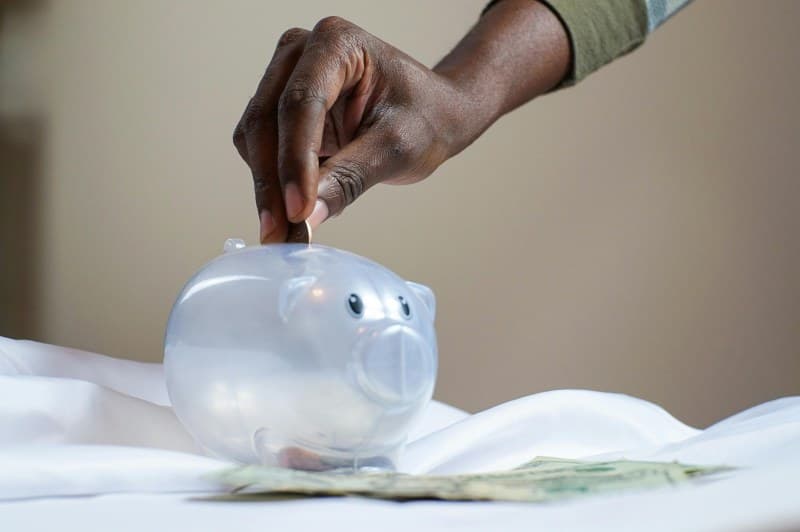
Let’s start with Lila: 22, part-time café barista, makes $15/hour, and swears she can’t save a dime. She skips lunch some days to cover rent, so the idea of putting money aside feels impossible. But here’s the thing—she’s falling for a common myth. Saving isn’t just for people with six-figure salaries. It’s for anyone who wants to build a safety net, no matter how small the steps.
The Big Myth: You Need a Big Income to Save
Many people think saving requires having extra cash lying around. But the truth? Even $10 a month adds up over time. Lila decided to try: she cut one $3 coffee run a week, putting $12/month into a savings account. After a year, she had $144 plus $5 in interest. It’s not a fortune, but it’s a start—and that’s the point.
5 Saving Myths Debunked (With Truths & Tips)
Let’s break down the most persistent myths about saving, and what you actually need to know:
| Myth | Truth | Quick Tip |
|---|---|---|
| You need a big income to save. | Small, consistent amounts grow over time. | Use a micro-saving app to round up purchases (e.g., $3.50 coffee → $4, save $0.50). |
| Saving means giving up all fun. | Budget for small treats so you don’t feel deprived. | Follow the 50/30/20 rule: 50% needs, 30% wants, 20% save. |
| Emergency funds have to be $10k+. | Start with $500-$1k (enough to cover a car repair or medical bill). | Automate $5/week to your emergency fund—no thinking required. |
| You can’t save while paying debt. | Small savings + minimum debt payments work. Even $5/month builds habit. | Allocate 1% of your income to savings, then put the rest toward debt. |
| Compound interest only helps the rich. | It’s a superpower for everyone—start early to maximize growth. | Open a high-yield savings account (current rates are ~4% APY) for your savings. |
Wisdom from the Past: A Classic Quote
“A penny saved is a penny earned.” — Benjamin Franklin
Franklin’s words aren’t just about pennies. They’re about the value of consistency. Every small amount you save is money you keep for your future self, not just money you don’t spend.
Q&A: Common Saving Question
Q: I have $50 left after bills each month—can I really save that?
A: Absolutely! Let’s say you put $50/month into a high-yield savings account with 4% APY. After 5 years, you’ll have $3,260 (that’s $3,000 in contributions plus $260 in interest). That’s enough for a small emergency fund or a down payment on a new laptop. Every dollar counts.
Final Thought: Start Small, Stay Consistent
Lila’s story shows that saving isn’t about being rich—it’s about being intentional. She now saves $20/month and has a $600 emergency fund. When her bike broke last month, she didn’t have to put the repair on a credit card. That’s the power of small savings. So forget the myths—start today, no matter how little you have.