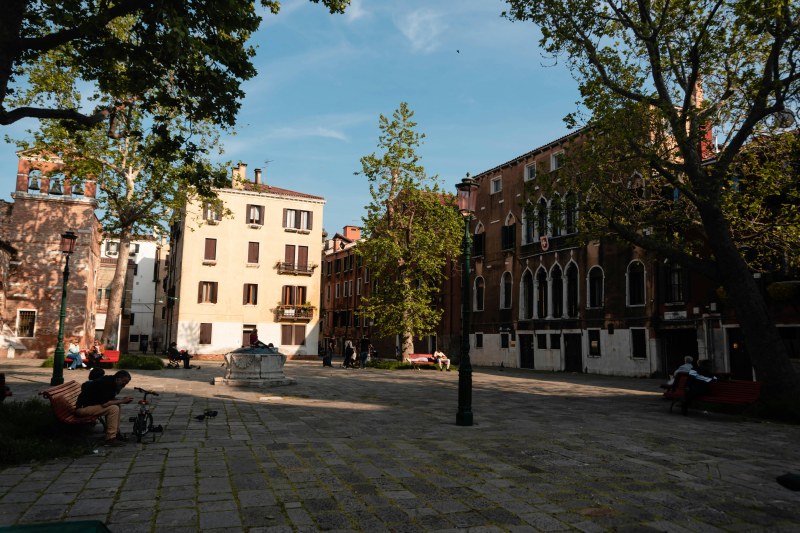
Last year, I spent three days in Kyoto checking off all the must-sees: Fushimi Inari’s torii gates, Kinkaku-ji’s golden pavilion, Gion’s geisha districts. But on my last night, I walked past a small neighborhood park where locals were setting up lanterns for a summer festival—kids chasing each other, elders sipping tea, vendors grilling yakitori. I stood there for 10 minutes, feeling like an outsider. That’s the regret: missing the unplanned, local moments that make a trip unforgettable.
Why We Miss the Local Vibe
Most of us have felt this way at some point. Two common reasons stand out:
- Over-planning: When we fill our itineraries with every famous landmark, there’s no room for serendipity. We rush from one spot to the next, not stopping to notice the local café or the street art that tells a neighborhood’s story.
- Fear of the unknown: It’s easy to stick to what we know—tourist-friendly restaurants, English-speaking guides. But the best local moments often lie just outside our comfort zones.
2 Key Ways to Fix the Regret (With Pros & Cons)
If you want to connect deeper with a destination, try these two methods. Here’s how they stack up:
| Method | Pros | Cons | Local Tip |
|---|---|---|---|
| Join a Local Workshop | Structured learning, hands-on experience, chance to meet locals and other travelers. | May cost $20-$50; some workshops are tourist-focused. | Book through small local studios (check Google Reviews for "authentic" tags) instead of big tour companies. |
| Wander Without a Plan | Free, unplanned discoveries, flexible schedule. | Can feel disorienting; may waste time if you don’t know where to start. | Pick a neighborhood with local shops (avoid main tourist streets) and follow the smell of fresh bread or grilled food. |
A Classic Take on Authentic Travel
"Travel is not about seeing new places, but seeing places new." – Pico Iyer
This quote hits home because authentic travel isn’t about checking boxes. It’s about looking at a destination through the eyes of someone who lives there—whether that’s trying a street food you’ve never heard of or watching a local craftsperson at work.
FAQ: Common Question About Local Connections
Q: Do I need to speak the local language to connect with locals?
A: No! Even a simple "hello" or "thank you" in the local language goes a long way. You can also use body language (smiling, pointing) or apps like Google Translate to communicate. For example, in Thailand, I used a translation app to ask a street vendor about her favorite dish—she ended up giving me a free sample and telling me about her family.
Next time you travel, try one of these methods. Whether you join a pottery class in Oaxaca or wander the backstreets of Lisbon, you’ll come home with stories that go beyond the postcard-perfect photos. And that’s the magic of travel—finding the moments that aren’t in the guidebooks.