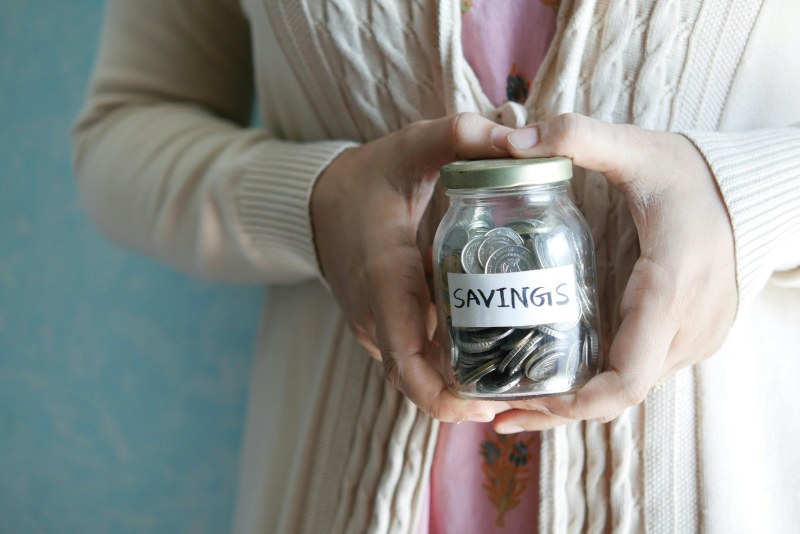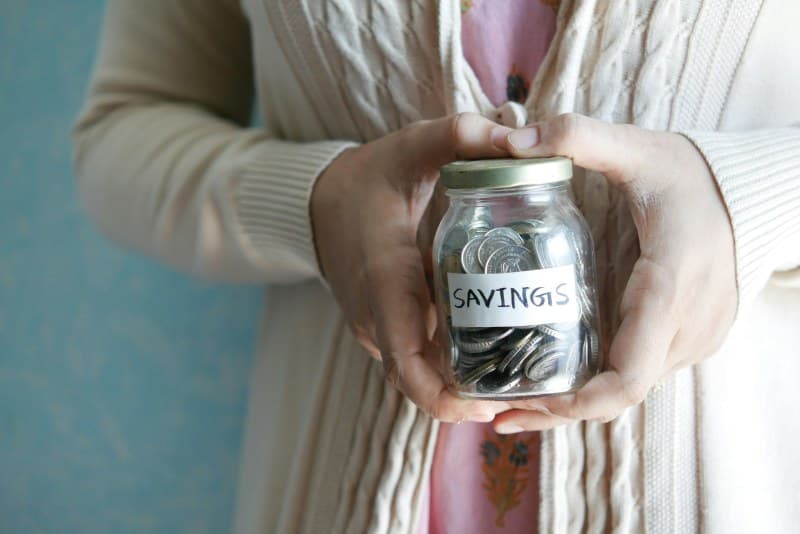
You’re scrolling through your phone when a notification pops up: your car needs a $400 repair. Panic sets in—you don’t have extra cash saved. Sound familiar? Unexpected expenses hit everyone, but a small savings buffer can turn that panic into relief. Here are 6 ways to build that buffer, no matter your income.
Method Breakdown: Quick Comparison
Before diving into details, here’s a snapshot of each method to help you pick one that fits your lifestyle:
| Method | Effort Level | Quick Win? | Pros | Cons |
|---|---|---|---|---|
| Micro-savings Apps | Low | No | Painless, automatic, adds up over time | Small amounts at first, may have fees |
| No-Spend Challenge | Medium | Yes | Immediate savings on non-essentials | Requires willpower, may feel restrictive |
| Sell Unused Items | Medium | Yes | Fast cash, declutters your space | Time-consuming to list/sell items |
| Adjust Subscriptions | Low | Yes | Recurring monthly savings | May miss some services initially |
| Automate Transfers | Low | No | Consistent, builds habit | Requires checking budget to avoid overdrafts |
| Cashback Rewards | Low | No | Uses existing spending to save | Requires paying credit card bills on time |
Deep Dive into Each Method
1. Micro-savings Apps
Apps like Acorns or Digit take the work out of saving by rounding up your purchases to the nearest dollar and transferring the difference to a savings account. For example, if you buy a coffee for $3.25, the app adds $0.75 to your savings. It’s so subtle you’ll barely notice—until you need it.
2. No-Spend Challenge
Pick a category (like dining out or online shopping) and stop spending on it for a month. Even a $20 weekly coffee habit adds up to $80 in savings. Use that money to build your buffer instead.
3. Sell Unused Items
Go through your closet, garage, or electronics drawer. Items like old phones, clothes, or furniture can be sold on platforms like Facebook Marketplace or Poshmark. A friend of mine sold a used laptop for $250—enough to cover a sudden dental bill.
4. Adjust Subscriptions
Take 10 minutes to list all your subscriptions (streaming services, gym memberships, beauty boxes). Cancel the ones you don’t use. I canceled a $15 monthly music subscription I hadn’t touched in 6 months—saving $180 a year.
5. Automate Transfers
Set up a weekly transfer of $10-$20 from your checking to savings account. It’s small enough not to hurt, but over a year, $15 weekly adds up to $780. Most banks let you schedule this in minutes.
6. Cashback Rewards
Use a cashback credit card for everyday purchases (groceries, gas) and redeem the rewards for cash. Deposit that cash directly into your savings buffer. Just remember to pay the card off every month to avoid interest.
Wisdom from the Past
“Beware of little expenses; a small leak will sink a great ship.” — Benjamin Franklin
Franklin’s words ring true here. Small, consistent savings—like the $0.75 from a coffee purchase—can prevent big financial stress when unexpected costs hit. The micro-savings app method is a perfect example of this.
Real-Life Example
Sarah, a teacher, adopted a cat last year. She started using a micro-savings app to round up her daily purchases. When her cat needed emergency vet care ($300), she checked her savings and found she had $350—enough to cover the bill without using a credit card. “I didn’t even notice the small amounts leaving my account,” she said. “It was like magic when I needed it most.”
Common Question
Q: How much should my savings buffer be?
A: A good starting point is $500-$1000 to cover small emergencies like car repairs or medical copays. Once you hit that, aim for 3-6 months of essential expenses (rent, food, utilities) for larger emergencies. The methods here can help you build that buffer step by step.
Building a savings buffer doesn’t have to be overwhelming. Pick one method to start—like canceling unused subscriptions or setting up a micro-savings app. Over time, you’ll have the peace of mind knowing you’re prepared for whatever comes your way.