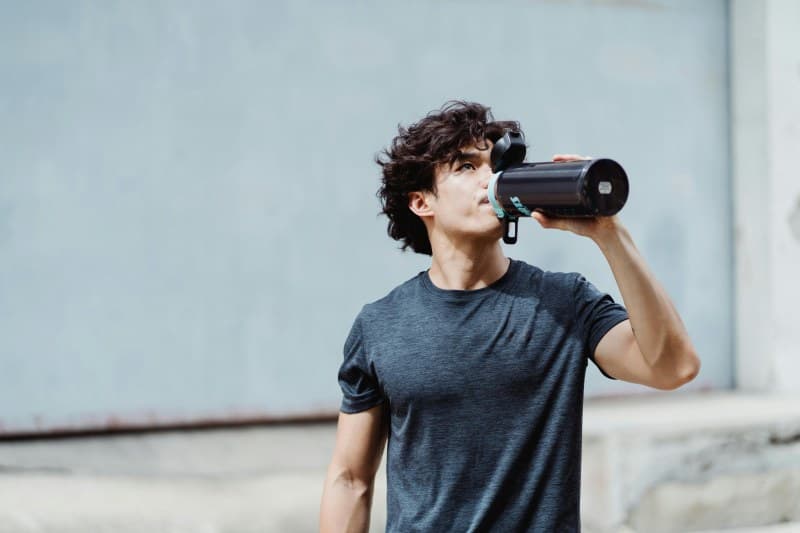
Let’s start with Sarah’s story: She carries a 2L water bottle everywhere, chugging even when her stomach feels sloshy, because she’s convinced she needs 8 glasses a day. By mid-afternoon, she’s running to the bathroom every 30 minutes and feeling bloated. Sound familiar? The 8-glass rule is one of the most persistent health myths out there—but is it actually true?
The truth behind the 8-glass myth
The 8-glass recommendation (about 2 liters) traces back to a 1945 U.S. National Academy of Sciences report. But here’s the catch: The report included all fluids—coffee, tea, juice, even water from food— not just plain water. Over time, that detail got lost, and the rule became a rigid “drink 8 glasses of water daily” mantra. The reality? Your water needs depend on a bunch of factors, not a one-size-fits-all number.
What affects your water needs?
Here’s a quick breakdown of key factors that change how much water you should drink:
| Factor | How it impacts water needs |
|---|---|
| Age | Kids (ages 4-8) need ~1.2L/day; adults (19-30) need ~2.7L (women) or ~3.7L (men) (including all fluids). |
| Activity level | For every 30 minutes of exercise, add 200-300mL of water (more if you sweat heavily). |
| Climate | Hot, humid weather or high altitude increases sweat loss—drink extra to compensate. |
| Health status | Pregnancy (add ~300mL/day), breastfeeding (add ~1L/day), or illness (fever, diarrhea) increases needs. |
4 hydration myths to stop believing
1. Myth: Thirst means you’re already dehydrated
Many people think thirst is a late sign of dehydration, but it’s actually an early cue. Your body starts sending thirst signals when you’ve lost just 1-2% of your body weight in fluids—way before you feel fatigued or dizzy. So if you’re thirsty, drink up!
2. Myth: Clear urine is the only sign of good hydration
Clear urine isn’t always ideal—it can mean you’re overhydrating (which dilutes electrolytes like sodium). The sweet spot? Pale yellow urine, like the color of lemonade. Dark yellow (apple juice color) means you need more water.
3. Myth: Caffeinated drinks dehydrate you
Moderate caffeine intake (3-4 cups of coffee or tea a day) doesn’t dehydrate most people. Studies show that caffeinated beverages contribute to your daily fluid intake just like water—so you don’t have to cut them out to stay hydrated.
4. Myth: You can’t drink too much water
While rare, overhydration (hyponatremia) is real. It happens when you drink more water than your body can excrete, diluting sodium levels in your blood. Symptoms include nausea, headaches, and confusion. Stick to listening to your body instead of forcing extra water.
“The best guide to hydration is your own body, not a number.” — Unknown (common wellness proverb)
This proverb hits the nail on the head. Instead of counting glasses, pay attention to your body’s cues: thirst, urine color, and how you feel (fatigue or dry mouth are red flags).
FAQ: Your hydration questions answered
Q: How do I stay hydrated without counting glasses?
A: Keep a water bottle handy and sip throughout the day. Eat water-rich foods like cucumber (96% water), watermelon (92% water), or oranges (87% water). Adjust your intake based on activity—if you’re hiking in the sun, drink more than you would sitting at a desk.
Practical tips for easy hydration
- Add fruit (lemon, berries) or herbs (mint) to water if plain water bores you.
- Drink a glass of water before meals—this can also help with portion control.
- Set gentle reminders (like phone alerts) if you tend to forget to drink, but don’t overdo it.
At the end of the day, hydration isn’t about hitting a magic number. It’s about listening to your body and making small, sustainable choices. So next time you reach for that water bottle, ask yourself: Am I thirsty? That’s the best rule to follow.