Last month, my friend Lila was at her wit’s end. Constant bloating, mid-afternoon slumps, and trouble sleeping had her reaching for every quick fix—until she tried something simple: adding a spoonful of sauerkraut to her lunch and swapping white bread for whole-grain oats. Within two weeks, her bloating faded, and she had more energy to keep up with her kids. That’s the magic of small, natural gut health habits.
What Is Gut Health, Anyway? 🌱
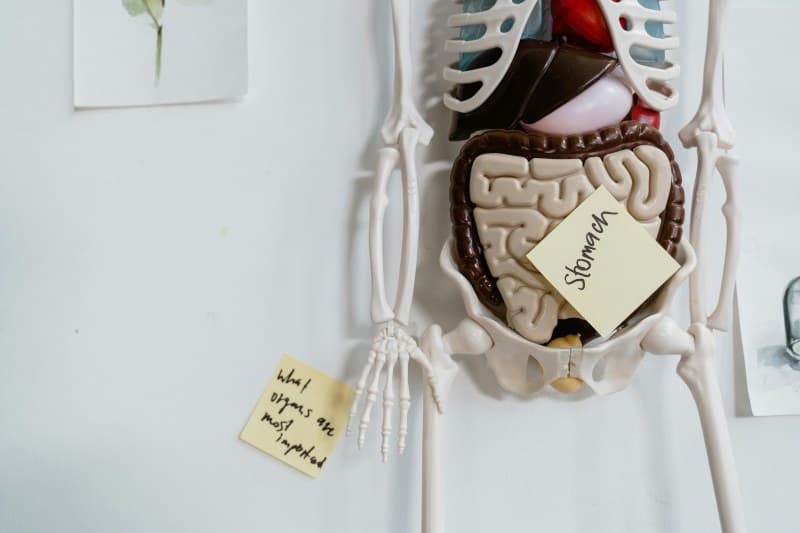
Your gut isn’t just a tube for digesting food—it’s a bustling ecosystem of trillions of microbes (bacteria, fungi, and more) called the gut microbiome. These tiny organisms do heavy lifting: they break down nutrients, make vitamins like B12 and K, and even support your immune system. When the balance of good and bad microbes gets off-kilter, you might feel bloated, tired, or have digestive issues.
5 Natural Ways to Boost Gut Health
You don’t need fancy supplements or expensive diets to improve your gut. Here’s a breakdown of 5 easy methods, with key details to help you pick what fits your lifestyle:
| Method | Effort Level | Time to See Results | Pros | Cons |
|---|---|---|---|---|
| Add Fermented Foods | Low (1–2 mins/day) | 1–2 weeks | Packed with probiotics; affordable | Strong taste for some; may cause mild gas initially |
| Increase Fiber Intake | Medium (swap processed foods) | 2–3 weeks | Feeds good bacteria; aids digestion | Too much too fast can cause bloating |
| Stay Hydrated | Low (carry a water bottle) | 1–3 days | Supports fiber movement; flushes toxins | None (as long as you don’t overdo it) |
| Reduce Added Sugars | Medium (read labels) | 2–4 weeks | Stops feeding bad bacteria; stabilizes energy | Requires cutting back on favorite snacks |
| Manage Stress | Medium (10–15 mins/day) | 1–2 weeks | Gut-brain axis benefits; improves digestion | Requires consistent practice (e.g., meditation) |
Fermented Foods: Tangy Probiotic Power 🥛
Fermented foods like unsweetened yogurt, sauerkraut, kimchi, and kefir are loaded with probiotics—live good bacteria that help balance your gut. Lila’s trick? She kept a jar of sauerkraut in her fridge and added a tablespoon to her daily salad. "At first, the sour taste was weird," she said, "but after a few days, I started craving it. And my bloating was gone!"
"All disease begins in the gut." — Hippocrates
This 2,000-year-old quote isn’t just old wisdom—it’s backed by modern science. Studies show that a healthy gut microbiome is linked to reduced inflammation, better mood, and even stronger immunity. So taking care of your gut is taking care of your whole body.
FAQ: Can These Methods Irritate a Sensitive Stomach?
Q: I have IBS—will these natural methods make my symptoms worse?
A: If you have a sensitive gut, start slow. For example, try a teaspoon of fermented food instead of a tablespoon, or add fiber gradually (like one extra vegetable per day). If you’re unsure, talk to a dietitian or healthcare provider—many people with IBS find that these methods work when introduced gently.
Stress Management: The Gut-Brain Connection 😌
Did you know your gut and brain talk to each other? When you’re stressed, your body releases hormones that can disrupt your gut microbiome. My neighbor Mr. Torres tried 10 minutes of deep breathing every morning. "I used to get stomach aches before work," he said, "but after a week of breathing exercises, those aches were gone. It’s amazing how connected our minds and guts are."
Improving your gut health doesn’t have to be overwhelming. Pick one method from the list—like adding a glass of kefir to your breakfast or drinking more water—and stick with it. Over time, you’ll notice the difference: less bloating, more energy, and a happier gut.