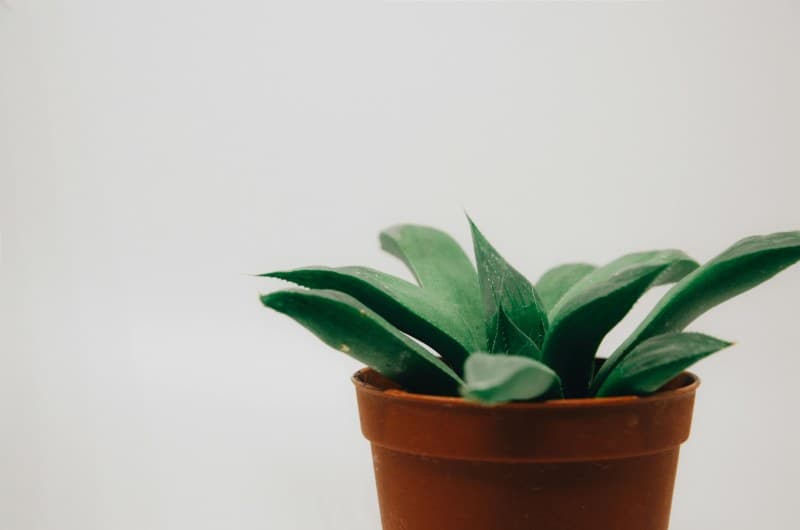
My friend Lily recently mourned her first succulent. She’d watered it once a month, convinced that’s all it needed, but it turned brown and crispy. “I must have overwatered it,” she sighed. But here’s the twist: she’d actually underwatered it. Overwatering is often blamed for plant deaths, but it’s far from the only culprit.
The Truth About Houseplant Deaths: It’s Not Just Overwatering
Houseplants die for a variety of reasons. Underwatering (like Lily’s succulent), insufficient light, pest infestations, poor drainage, and even sudden temperature changes can all spell trouble. For example, a snake plant placed in a dark corner will slowly lose its vibrant green color, while a spider plant exposed to direct sunlight may get scorched leaves.
5 Common Houseplant Care Myths Debunked
Let’s break down some persistent myths and set the record straight:
| Myth | Fact | Quick Tip |
|---|---|---|
| Overwatering is the only way to kill plants. | Underwatering, light deficiency, pests, and root rot (from poor drainage) are equally common. | Check soil moisture, light levels, and pest signs weekly. |
| All houseplants need direct sunlight. | Many plants (pothos, snake plants, ZZ plants) thrive in bright indirect light. | Research your plant’s light needs—most prefer indirect sun. |
| Water plants on a fixed schedule (e.g., every Sunday). | Water needs vary by plant, season, and humidity. Winter requires less water than summer. | Stick your finger 1-2 inches into soil; water only if dry. |
| Fertilizing more makes plants grow faster. | Over-fertilizing burns roots and causes yellow leaves. | Fertilize once every 2-4 weeks in spring/summer with diluted fertilizer. |
| Yellow leaves always mean overwatering. | Yellow leaves can also signal underwatering, nutrient deficiency, or too much light. | Check soil first—if dry, water; if wet, let it drain and adjust care. |
A Timeless Wisdom on Plant Care
“The care of the earth is our most ancient and most worthy, and after all our most pleasing responsibility.” — Wendell Berry
This quote reminds us that caring for houseplants isn’t just about keeping them alive—it’s a small way to connect with nature. Even if you’ve killed a few plants (we all have!), each mistake teaches you more about what your greens need.
FAQ: How Do I Tell Overwatering From Underwatering?
Q: “I see yellow leaves on my plant—how do I know if it’s overwatered or underwatered?”
A: Overwatered plants have mushy, yellow leaves and soggy soil that smells rotten. Underwatered plants have dry, crispy leaves and soil that’s hard to the touch. For example, if your pothos has yellow leaves and the soil is wet for days, it’s overwatered. If it’s crispy and the soil is dust-dry, it’s underwatered.
Caring for houseplants is a learning process. Don’t be afraid to experiment, and remember: every plant has its own personality. With a little observation, you’ll be a pro in no time!