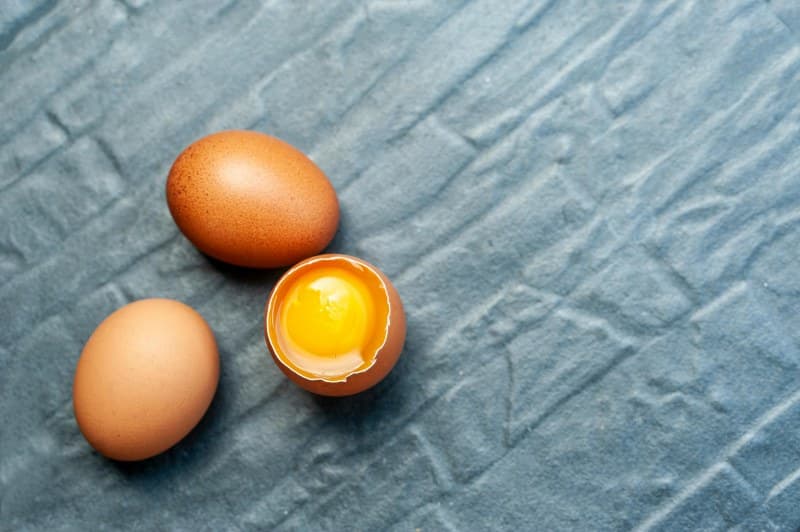
Last week, my roommate left a carton of eggs on the kitchen counter overnight. I panicked, thinking they’d gone bad. But she laughed and said, ‘In my home country, we never refrigerate eggs!’ That got me wondering: Is the refrigeration rule a myth? And what other egg myths are we buying into?
The Big Refrigeration Myth: To Chill or Not to Chill?
The answer depends on where you live. In the U.S., eggs are washed to remove bacteria like Salmonella, which strips away the protective cuticle (a thin layer that keeps germs out). Without this cuticle, refrigeration is necessary to slow bacterial growth. In Europe and many other countries, eggs aren’t washed—so the cuticle stays intact, and they can safely sit at room temperature.
Let’s break down the key differences between refrigerated and unrefrigerated eggs:
| Aspect | Refrigerated Eggs (US-style) | Unrefrigerated Eggs (EU-style) |
|---|---|---|
| Protective Cuticle | Removed (washed) | Intact (unwashed) |
| Shelf Life | 3-5 weeks in fridge | 2-3 weeks at room temp |
| Safety Risk | Low (if stored cold) | Low (if unwashed) |
| Cooking Impact | Better for baking (cold eggs mix well with butter) | Better for poaching (room temp sets faster) |
7 Common Egg Myths Debunked
- Myth 1: Brown eggs are healthier than white eggs. Truth: Egg color depends on the hen’s breed (brown hens lay brown eggs, white hens lay white). There’s no nutritional difference.
- Myth 2: Raw eggs are always unsafe. Truth: Pasteurized raw eggs (heated to kill bacteria) are safe—used in Caesar dressing, tiramisu, and homemade ice cream.
- Myth 3: Eggs raise blood cholesterol. Truth: Most people’s bodies regulate cholesterol levels, so dietary cholesterol from eggs has minimal impact. The American Heart Association says up to one egg a day is fine for most adults.
- Myth 4: Double-yolk eggs are GMO. Truth: They’re a natural quirk—young hens often lay double-yolkers as their reproductive systems mature.
- Myth 5: Cracked eggs are always bad. Truth: Small cracks (with the membrane intact) can be safe if cooked immediately. Avoid eggs with broken membranes or visible bacteria.
- Myth 6: Egg whites are better for weight loss. Truth: Whole eggs have protein plus healthy fats that keep you full longer. Ditching the yolk means missing out on vitamins A, D, and B12.
- Myth 7: Floating eggs are spoiled. Truth: This works! Fresh eggs sink (small air pocket), while old eggs float (air pocket expands as they age). Toss floating eggs.
A Classic Take on Eggs
“Eggs are nature’s perfect food.” — Unknown (widely attributed to nutrition experts)
This quote holds up because eggs are packed with high-quality protein, essential vitamins, and minerals. They’re versatile, affordable, and easy to cook—truly a kitchen staple.
Real-Life Example: The Perfect Poached Egg
My friend Sarah used to struggle with poached eggs. She always used cold refrigerated eggs, and they’d spread out in the water. Then she tried room-temperature unwashed eggs. The result? Perfectly shaped poached eggs every time. Room-temperature eggs coagulate faster, so they don’t break apart.
FAQ: Your Egg Questions Answered
Q: Can I eat eggs past their expiration date?
A: Yes—if refrigerated, eggs can be safe for up to 3 weeks past the date. Do the float test: if it sinks, it’s fresh; if it floats, toss it.
Q: Are organic eggs worth the cost?
A: Organic eggs come from hens that eat organic feed and have outdoor access. They may have slightly higher omega-3 levels, but it’s a personal choice based on budget and values.
Final Tips for Egg Success
- Store refrigerated eggs in their original carton (prevents odors from seeping in).
- For baking, use cold eggs (they mix better with butter).
- For poaching or frying, use room-temperature eggs (they cook more evenly).