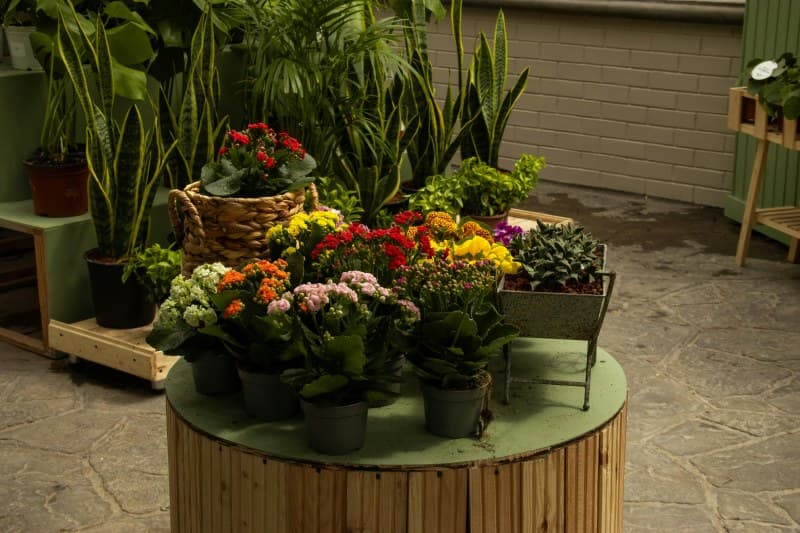
Last year, I killed my first succulent. I watered it every other day, convinced constant moisture was the key to its survival. When its leaves turned mushy and brown, I sighed and thought, “Well, overwatering is the only way to kill plants.” Then my snake plant—one I barely watered—started dropping leaves and growing long, leggy stems. Turns out, I was dead wrong: overwatering is a big culprit, but it’s far from the only way to harm your indoor greens.
The Truth About Overwatering
Overwatering does top the list of houseplant killers. When roots sit in waterlogged soil, they can’t breathe, leading to root rot. Rotting roots can’t absorb nutrients, so leaves wilt, turn yellow, or get mushy. But here’s the thing: other issues like light deprivation, underwatering, or pests can be just as fatal.
Debunking 2 Key Houseplant Myths
Myth 1: All houseplants need daily watering
This is a classic mistake. Succulents and cacti thrive on dry soil—watering them daily will drown their roots. Ferns and pothos, on the other hand, prefer consistently moist (not wet) soil. The rule of thumb? Stick your finger 1-2 inches into the soil. If it’s dry, water; if it’s damp, wait.
Myth 2: Yellow leaves always mean overwatering
Yellow leaves are a cry for help, but not always from too much water. Underwatering can cause leaves to turn yellow and crispy at the edges. Insufficient light might make lower leaves yellow as the plant reallocates energy to new growth. Even nutrient deficiencies (like lack of nitrogen) can lead to yellowing.
Common Causes of Houseplant Death: A Quick Comparison
Here’s how to spot and fix the most frequent plant killers:
| Cause | Signs | Fixes |
|---|---|---|
| Overwatering | Mushy leaves, root rot, foul soil smell | Let soil dry completely; repot with well-draining soil if needed |
| Underwatering | Crispy, yellow leaves; soil pulls away from pot edges | Water thoroughly until it drains from the bottom; adjust watering schedule |
| Insufficient Light | Leggy growth, sparse leaves, slow growth | Move to a brighter spot (bright indirect light for most plants) |
| Pest Infestation | Sticky leaves, tiny bugs (aphids, spider mites), yellow spots | Wipe leaves with soapy water; use neem oil for severe cases |
Wisdom from the Garden
The best time to water a plant is when it needs it, not when the calendar says so.
This old gardening proverb sums it up: observing your plant is better than following a rigid schedule. For example, my snake plant perked up within a week of moving it to a window with indirect light—no extra watering needed. It just needed more sun.
FAQ: A Common Plant Care Question
Q: How do I know if my plant is getting enough light?
A: Look at the leaves. If your plant is growing long, thin stems (leggy) with leaves spaced far apart, it’s reaching for light—move it closer to a window. If leaves have brown, crispy edges, it might be getting too much direct sun (try a sheer curtain to filter light).
Caring for houseplants isn’t about being perfect. It’s about paying attention. Next time your plant looks sad, don’t jump to overwatering—check the soil, light, and leaves first. Your green friends will thank you.