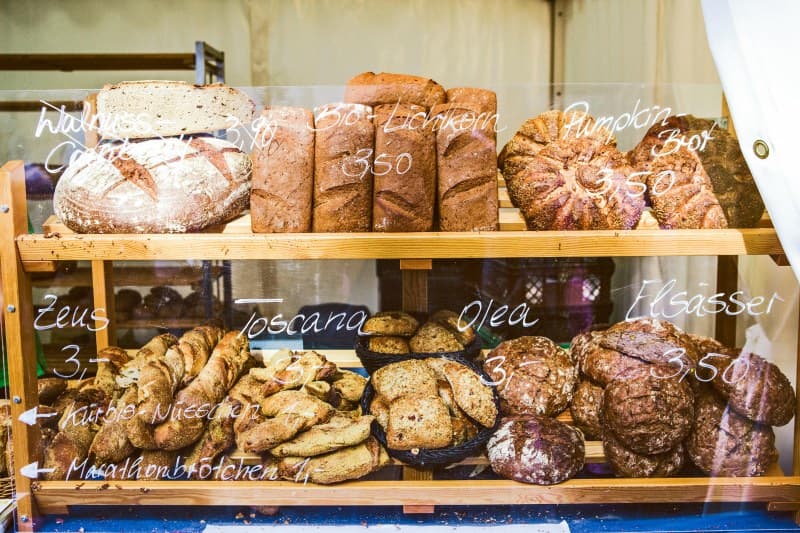
Last week, my roommate brought home a crusty sourdough loaf, proud of her find. She promptly stashed it in the fridge, saying, ‘This way it won’t go bad.’ Three days later, we tried to slice it—only to find it as hard as a brick. She’d fallen for one of the most persistent bread storage myths: that refrigeration keeps bread fresh longer.
Why Refrigerating Bread Backfires
The secret to bread’s freshness lies in its starch molecules. When bread is baked, starch absorbs water and swells, giving it that soft, fluffy texture. But when bread cools, starch molecules start to recrystallize—a process called retrogradation. Cold temperatures (like those in a fridge) speed up this process dramatically. So instead of staying fresh, refrigerated bread stales 3-4 times faster than bread kept at room temperature.
Here’s a quick comparison of common bread storage methods:
| Method | Pros | Cons | Best For |
|---|---|---|---|
| Room temp (bread box) | Regulates humidity, keeps crust crisp, slows staling | Lasts only 2-5 days | Artisanal loaves, crusty breads |
| Refrigerator | Slows mold growth | Speeds up staling, hardens texture | None (avoid unless mold is a risk) |
| Freezer | Preserves freshness for 1-3 months | Requires thawing, may lose some crust crispness | Long-term storage of sliced or whole loaves |
Two Common Bread Storage Myths Debunked
Myth 1: Bread boxes are just decorative
Many people think bread boxes are a relic, but they’re actually one of the best ways to store bread. A good bread box balances humidity (keeping the inside soft) and air circulation (preventing mold and keeping the crust crisp). My grandma swears by her wooden bread box—she’s been using it for 40 years, and her bread always stays fresh longer than mine.
Myth 2: Wrapping bread in plastic keeps it soft forever
Plastic wraps trap moisture, which does keep bread soft—but it also creates a breeding ground for mold. If you wrap a fresh loaf in plastic and leave it on the counter, it’ll start to mold in 2-3 days. For crusty loaves, a better option is to wrap them in paper first (to absorb excess moisture) then loosely in plastic (to retain softness without mold).
“Bread is the staff of life.” — Proverb
This age-old saying reminds us how central bread is to our daily lives. Wasting it because of bad storage is a shame. By understanding the science behind bread freshness, we can honor this staple and enjoy it longer.
FAQ: Common Bread Storage Question
Q: How long can I keep sliced bread at room temperature?
A: Most sliced commercial breads (like white or whole wheat) last 3-5 days in a bread box or paper bag. Artisanal loaves (sourdough, rye) have less preservatives, so they last 2-3 days at room temp before staling.
Practical Bread Storage Tips
- For crusty loaves: Wrap in paper, then loosely in plastic. Store on the counter.
- For sliced bread: Use a bread box or airtight container (but don’t seal it too tight—leave a small gap for air).
- For long-term storage: Slice the loaf, wrap each slice in plastic, then put in a freezer bag. Thaw slices in the toaster or microwave.
- Avoid storing bread near heat sources (like the oven) or direct sunlight—this speeds up staling.
Next time you bring home a fresh loaf, skip the fridge. Your taste buds (and your wallet) will thank you.