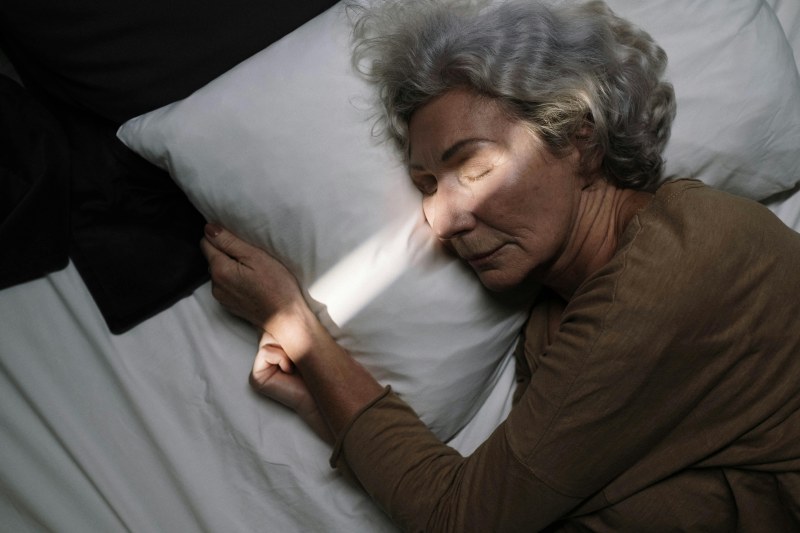
Sarah’s weekday routine is a familiar one: she stays up until 1 AM finishing design projects, then drags herself out of bed at 7 AM for work. By Friday, she’s exhausted—so she sleeps until 10 AM both Saturday and Sunday, convinced she’s “catching up” on lost rest. But come Monday, she’s still groggy, struggling to focus in meetings. Is her weekend sleep strategy actually working?
The Truth About Weekend Sleep Catch-Up
Many of us rely on weekends to fix sleep debt, but science tells a different story. While extra sleep on Saturdays and Sundays can ease short-term fatigue, it disrupts your body’s circadian rhythm (your internal 24-hour clock). This shift—called “social jetlag”—has been linked to higher risks of metabolic issues (like insulin resistance), mood swings, and reduced cognitive function. Think of it like traveling to a different time zone every weekend: your body never gets a chance to adjust.
5 Common Sleep Myths Debunked
Let’s clear up some of the most persistent sleep misconceptions:
- Myth: You can fully recover from a week of late nights with weekend sleep. Truth: Partial recovery is possible, but long-term sleep debt (more than 2 hours per night) can take weeks to fix—if at all.
- Myth: Everyone needs exactly 8 hours of sleep. Truth: Sleep needs vary by age and individual. Most adults need 7-9 hours, but some thrive on 6, while others need 10.
- Myth: Napping during the day ruins nighttime sleep. Truth: Short power naps (20-30 minutes) boost alertness without disrupting nighttime rest. Long naps (over an hour) can throw off your schedule.
- Myth: Alcohol helps you sleep better. Truth: Alcohol may help you fall asleep faster, but it suppresses deep sleep (the restorative stage) and causes frequent awakenings during the night.
- Myth: If you can’t sleep, stay in bed until you do. Truth: Staying in bed when you’re awake trains your brain to associate bed with frustration. Get up after 20 minutes, do a calm activity (like reading), then try again.
Weekday vs Weekend Sleep: How They Stack Up
Let’s compare the effects of consistent weekday sleep versus weekend catch-up:
| Aspect | Consistent Weekday Sleep (7-9h) | Weekend Catch-Up Sleep (10+h after late nights) |
|---|---|---|
| Circadian Rhythm | Stable; body knows when to sleep/wake | Disrupted; social jetlag sets in |
| Energy Levels | Steady throughout the day | Sluggish on Monday; peaks then crashes |
| Metabolic Health | Lower risk of insulin resistance | Higher risk of metabolic issues |
| Cognitive Function | Sharp focus and memory | Impaired attention and decision-making |
A Timeless Take on Sleep
“Early to bed and early to rise makes a man healthy, wealthy, and wise.” — Benjamin Franklin
Franklin’s 18th-century advice isn’t just a cliché—it’s rooted in consistency. While modern life often demands late nights, his words remind us that regular sleep patterns are key to overall well-being. Irregular schedules throw off our body’s natural rhythm, which Franklin intuitively understood long before science confirmed it.
FAQ: What’s the Alternative to Weekend Catch-Up?
Q: If weekend sleep catch-up isn’t ideal, how can I fix my sleep debt?
A: Start small. Shift your bedtime 15 minutes earlier each night until you reach a consistent 7-9 hours. Avoid screens (blue light suppresses melatonin) 1 hour before bed, keep your bedroom cool (60-67°F/15-19°C) and dark, and limit caffeine after 2 PM. Even tiny changes to consistency can make a big difference in how you feel.
Quick Tips for Consistent Sleep
- 💡 Stick to the same sleep and wake time every day—yes, even weekends.
- 🌿 Create a pre-bed routine: try reading, sipping warm herbal tea, or doing gentle stretches.
- ⏰ Skip the snooze button. Hitting it disrupts your sleep cycle and leaves you feeling groggy.
At the end of the day, sleep is about quality and consistency, not just quantity. By ditching the weekend catch-up myth and focusing on regular habits, you’ll wake up feeling more refreshed—every day, not just after a long weekend.