Last weekend, I watched a friend lacing up for a 20-minute walk in the park—with a full sports drink in hand. When I asked why, she said, ‘I don’t want to get dehydrated!’ It made me realize how many of us buy into hydration myths without thinking. Let’s break down the big one first: Are sports drinks always better than water for workouts? Then we’ll debunk 4 more common myths that might be sabotaging your performance. 💧
The Truth About Sports Drinks vs Water
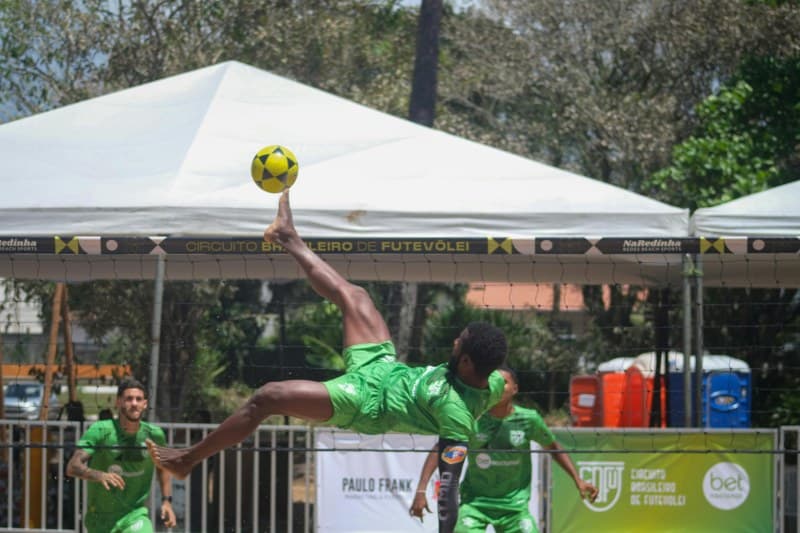
Sports drinks are formulated with electrolytes (like sodium and potassium) and sugar to replace what you lose during long, intense workouts. For sessions over 60 minutes—think a marathon or a high-intensity soccer game—they can help maintain energy and prevent cramping. But for short workouts (under 60 minutes) like a quick jog or yoga class? Water is more than enough. Chugging sports drinks for these sessions just adds unnecessary sugar and calories.
4 Hydration Myths Debunked
Let’s clear up some of the most persistent myths about workout hydration:
| Myth | Truth |
|---|---|
| Myth 1: You need to drink every 15 minutes no matter what | Listen to your body—thirst is a reliable signal for most workouts. For short sessions, you might not need to drink at all. |
| Myth 2: Clear urine means you’re perfectly hydrated | Pale yellow urine is the sweet spot. Clear urine can indicate overhydration, which dilutes electrolytes and may cause dizziness. |
| Myth 3: Sports drinks are necessary for all workouts | Only for sessions over 60 minutes with high intensity. For casual exercise, water is sufficient. |
| Myth 4: Dehydration only affects performance if you feel thirsty | Even mild dehydration (1-2% of body weight) can slow reaction time and reduce endurance. |
A Classic Take on Hydration
Water is the driving force of all nature.
Leonardo da Vinci’s words ring true for athletes. Every cell in your body relies on water to function—from muscle contractions to regulating body temperature. Neglecting hydration can turn a great workout into a struggle.
Real-Life Example: The Overhydration Mistake
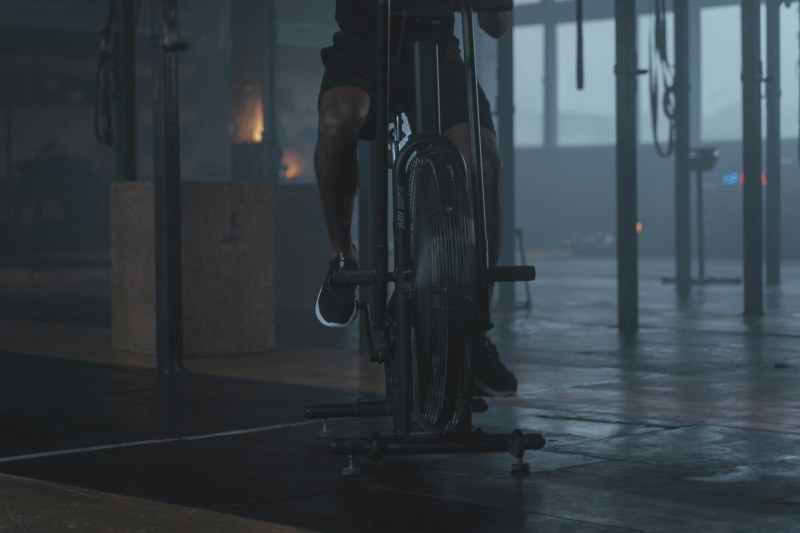
A friend who’s a casual cyclist once decided to “be extra prepared” for a 45-minute ride. She drank two sports drinks before leaving and kept sipping every 10 minutes. By the end, she felt dizzy and nauseous—turns out she’d overhydrated, diluting her electrolytes. She learned to stick to water for short rides and only reach for sports drinks when she’s out for longer than an hour. 🚴♂️
FAQ: How Do I Know If I’m Drinking Enough?
Q: I never feel thirsty during workouts—does that mean I’m hydrated enough?
A: Not always. For longer sessions, pre-hydrate by drinking 1-2 cups of water 30 minutes before you start. During the workout, take small sips every 20-30 minutes if you’re sweating heavily. Post-workout, check your urine color: pale yellow is ideal, dark yellow means you need more water.
Hydration doesn’t have to be complicated. Skip the fancy drinks for short workouts, listen to your body, and remember—sometimes the simplest solution (water!) is the best. 💧