Let’s start with a story: My friend Lisa, a busy mom of two, used to think HIIT was only for gym rats lifting heavy weights or sprinting at top speed. She avoided it like the plague—until she tried a 10-minute Tabata routine (20 seconds of squats, 10 seconds rest, repeated 8 times). After two weeks, she noticed more energy in the mornings and her favorite jeans fit a little looser. That’s the magic of HIIT: it’s not just for athletes—it’s for anyone who wants to get fit without spending hours at the gym.
What Exactly Is HIIT?
HIIT stands for High-Intensity Interval Training. It’s a workout style that alternates short bursts of all-out effort (think: sprinting, burpees, or jump squats) with brief periods of rest or low-intensity activity (like walking or stretching). The key is that the intense parts push your heart rate up to 80-90% of its maximum, which triggers benefits like increased calorie burn and improved cardiovascular health.
7 Common HIIT Myths Debunked
- Myth 1: HIIT is only for young, fit people. Nope! Modifications (like knee push-ups instead of full push-ups or walking instead of sprinting) make HIIT accessible to all ages and fitness levels. Lisa’s story is proof.
- Myth 2: You need equipment to do HIIT. Most HIIT workouts use bodyweight exercises—squats, lunges, planks, and mountain climbers are all fair game. No dumbbells or machines required!
- Myth 3: HIIT must be 30 minutes long to work. Even 10-15 minute sessions can deliver results. A 2016 study found that 10 minutes of HIIT (including warm-up) was as effective as 50 minutes of steady-state cardio for improving fitness.
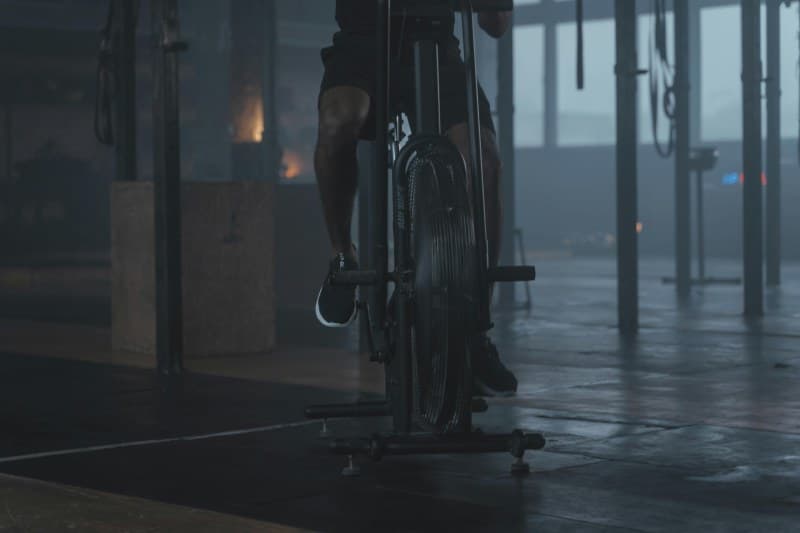
- Myth 4: HIIT is bad for your joints. When done with proper form, HIIT is safe. Avoid high-impact moves if you have joint issues—opt for low-impact alternatives like swimming sprints or cycling intervals.
- Myth 5: You can’t do HIIT if you have a busy schedule. HIIT’s short duration is its superpower. You can fit a session into your lunch break or before your morning coffee.
- Myth 6: HIIT only burns calories during the workout. HIIT triggers the “afterburn effect” (EPOC), where your body continues to burn calories for hours after you finish exercising. That means you’re still burning fat while you’re sitting at your desk!
- Myth 7: All HIIT workouts are the same. There are many variations—Tabata, AMRAP, and sprint intervals, to name a few. Each has its own rhythm and benefits.
Types of HIIT: Which One Fits You?
Not sure which HIIT style to try? Here’s a quick comparison:
| Type | Duration per Round | Intensity Level | Best For | Pros | Cons |
|---|---|---|---|---|---|
| Tabata | 20 sec work /10 sec rest (8 rounds) | Very High | Time-crunched beginners | Short (4 mins total), easy to follow | Intense—may be too much for absolute newbies |
| AMRAP (As Many Rounds As Possible) | Set time (e.g., 10 mins) to complete a circuit | Medium-High | People who like variety | Flexible, allows for modifications | Can feel overwhelming if you don’t pace yourself |
| Sprint Intervals | 30 sec sprint /1 min walk (5-10 rounds) | High | Cardio lovers | Great for improving speed and endurance | Requires space (like a track or park) |
A Classic Wisdom to Keep in Mind
“It does not matter how slowly you go as long as you do not stop.” — Confucius
This quote is perfect for HIIT beginners. You don’t have to go all-out on your first try. Even if you take longer rest periods or modify exercises, consistency is key to seeing results.
Beginner-Friendly HIIT Hacks
- Start small: Try 10-minute sessions 2-3 times a week.
- Warm up first: Spend 5 minutes stretching or walking to avoid injury.
- Track progress: Use a notebook or app to log your workouts—you’ll be amazed at how far you’ve come in a month.
- Listen to your body: If you feel dizzy or pain (not muscle soreness), stop and rest.
FAQ: Your HIIT Questions Answered
Q: Can I do HIIT every day?
A: No, your body needs time to recover. Aim for 2-3 HIIT sessions per week, with active recovery days (like yoga or walking) in between. Overdoing HIIT can lead to burnout or injury.
Q: Is HIIT good for weight loss?
A: Yes! The afterburn effect and short duration make HIIT a great option for weight loss. Combine it with a balanced diet for best results.