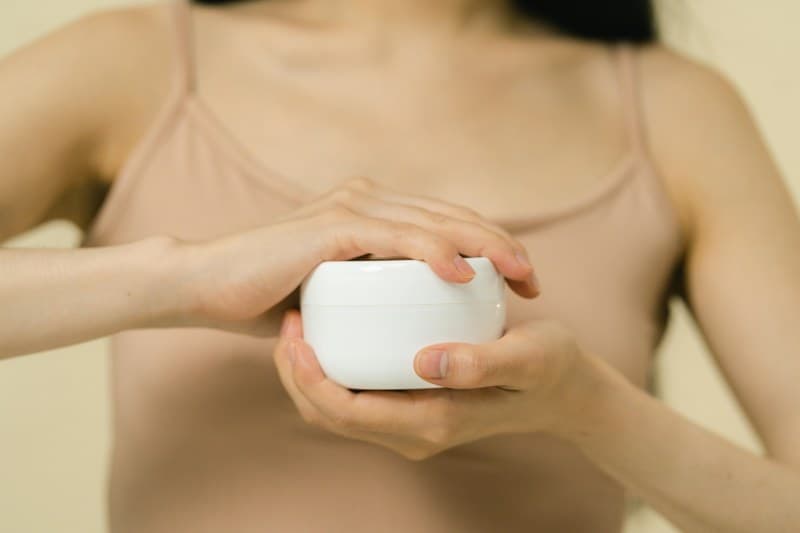
Last month, my roommate Sarah stood in the drugstore aisle for 20 minutes, staring at rows of moisturizers. She has combination skin—oily T-zone, dry cheeks— and had been bouncing between products: a heavy cream that made her forehead break out, a gel that left her cheeks tight. If you’ve ever felt overwhelmed by moisturizer choices, you’re not alone. Let’s break down the two key types and how to pick what works for your skin.
The Two Core Moisturizer Types You Need to Know
Most moisturizers fall into two main categories: gel-based and cream-based. Each is designed to address different skin needs, so understanding their differences is key to finding your perfect match.
Gel-Based Moisturizers
Gel moisturizers are lightweight, water-based, and absorb quickly into the skin. They’re ideal for people who want hydration without the heavy feel. Think of them as a refreshing drink for your skin—cool and non-greasy.
Cream-Based Moisturizers
Cream moisturizers are thicker, oil-based (or contain more emollients), and create a protective barrier on the skin. They lock in moisture for longer, making them great for dry or sensitive skin. Imagine a cozy blanket for your face—rich and nourishing.
Here’s a quick comparison to help you decide:
| Type | Texture | Best For | Key Benefits | Potential Cons |
|---|---|---|---|---|
| Gel-Based | Light, watery, non-greasy | Oily, combination, acne-prone skin | Absorbs fast, controls shine, hydrates without clogging pores | May not be enough for very dry skin in cold weather |
| Cream-Based | Thick, rich, creamy | Dry, sensitive, mature skin | Locks in moisture, soothes irritation, nourishes dry areas | Can feel heavy on oily skin, may cause breakouts in acne-prone areas |
How to Pick the Right One for Your Skin
The best moisturizer depends on your skin type and the season. For example, Sarah (my roommate) found her sweet spot: she uses a gel moisturizer on her T-zone to control oil and a cream on her cheeks to soothe dryness. In summer, she switches to a gel all over, while in winter, she uses a cream for extra hydration.
“Caring for your body is an act of self-respect.” — Unknown
This quote rings true for moisturizing. It’s not just about looking good—it’s a small daily ritual that shows your skin you care. Even 30 seconds of applying moisturizer can make a big difference in how your skin feels and looks over time.
Common Q&A About Moisturizers
Q: Can I use both gel and cream moisturizers?
A: Yes! Layering is a great way to address multiple skin needs. Apply the gel first (since it’s lighter) and then the cream on dry areas like cheeks or around the eyes. This way, you get the best of both worlds.
Q: Do I need to change my moisturizer with the seasons?
A: Absolutely. In hot, humid weather, a gel-based moisturizer will keep your skin hydrated without feeling heavy. In cold, dry weather, a cream-based moisturizer will protect your skin from harsh winds and low humidity.
At the end of the day, the best moisturizer is the one you’ll use consistently. Don’t be afraid to experiment—your skin will tell you what it needs. Whether you choose gel or cream, the most important thing is to keep your skin hydrated and happy.