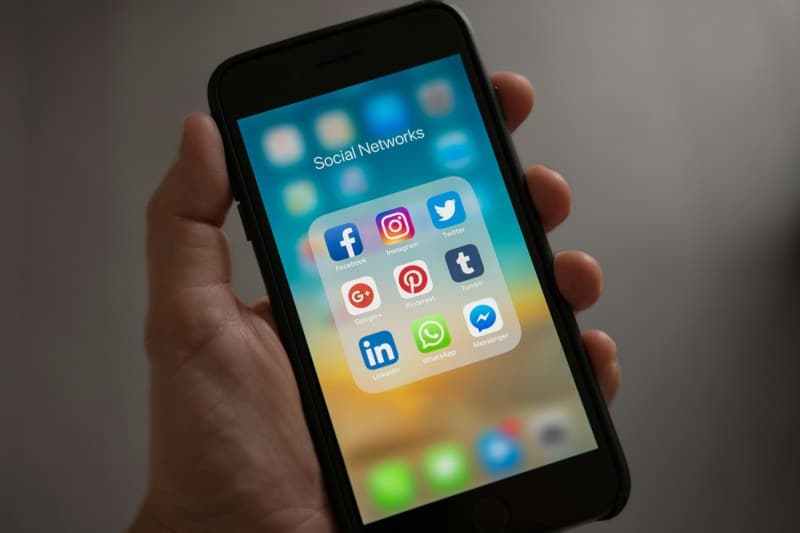
We’ve all been there: you wake up, grab your phone to check the time, and next thing you know, 30 minutes have vanished into social media feeds. Or you’re working on a project, but every 10 minutes, an email notification pulls you away. These small digital habits add up, draining your productivity without you even noticing.
1. Mindless Scrolling
Scrolling through social media or news feeds without a purpose is one of the biggest productivity killers. It’s easy to get sucked in by endless content, and before you know it, an hour has passed.
Fix: Set time blocks for social media. Use your phone’s screen time tracker to limit daily use to 30 minutes, or schedule specific times (like 10 AM and 3 PM) to check feeds. This way, you’re in control instead of the algorithm.
2. Constant Email Checks
Checking emails every few minutes breaks your focus and slows down your work. Each time you switch to your inbox, it takes your brain 23 minutes to get back to the original task (a stat from the University of California, Irvine).
Fix: Batch process emails. Check your inbox only 3 times a day (e.g., 9 AM, 12 PM, 4 PM). Turn off email notifications so you’re not tempted to peek between batches.
3. Multitasking Between Apps
Switching between a document, a chat app, and a browser tab might feel like you’re getting more done, but studies show multitasking reduces productivity by up to 40% (Stanford University).
Fix: Try single-tasking sessions. Use the Pomodoro Technique: work on one task for 25 minutes, then take a 5-minute break. During the 25 minutes, close all unrelated apps and tabs.
4. Notifications Overload
Every ping, buzz, or pop-up from apps demands your attention. Even if you don’t act on it, it disrupts your train of thought.
Fix: Customize your notification settings. Turn off non-essential notifications (like game updates or social media likes). Use Do Not Disturb mode during work hours, or set it to allow only calls from important contacts.
Habits vs. Fixes: A Quick Comparison
Here’s how each bad habit stacks up against its fix:
| Bad Habit | Impact | Fix | Time Saved (Approx) |
|---|---|---|---|
| Mindless Scrolling | Loses 30+ mins/day | Time-blocked feeds | 20+ mins/day |
| Constant Email Checks | Breaks focus, adds 1+ hrs/day of wasted time | Batch processing | 45+ mins/day |
| App Multitasking | Reduces productivity by 40% | Single-tasking sessions | 30+ mins/day |
| Notifications Overload | Disrupts focus 10+ times/day | Customized settings + Do Not Disturb | 15+ mins/day |
A Classic Wisdom on Habits
“We are what we repeatedly do. Excellence, then, is not an act, but a habit.” — Aristotle
This quote rings true for digital habits. The small, repeated actions we take with our devices shape our productivity. By replacing bad habits with intentional ones, we can build a more focused and efficient daily routine.
A Real-Life Example
Jane, a freelance writer, used to check her emails every 10 minutes. She noticed she was taking twice as long to finish projects as she should. After switching to batch processing emails 3 times a day, she finished a client’s article 2 hours early. She used that extra time to go for a walk and recharge, which made her next project even more efficient.
FAQ: Can I Still Use Digital Tools and Be Productive?
Q: Is it possible to use social media and email without losing productivity?
A: Yes! The key is intentionality. Instead of letting these tools control you, set clear boundaries. For example, use social media to connect with friends during your scheduled breaks, or use email to communicate with clients during batch times. The goal is to use digital tools as helpers, not distractions.
By addressing these 4 digital habits, you can reclaim your time and focus. Start with one habit at a time—small changes lead to big results over time.