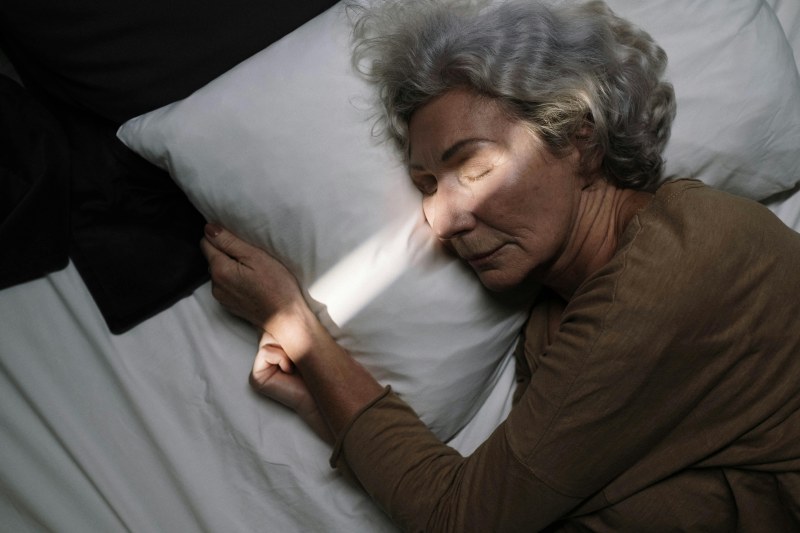
Maria, a 38-year-old elementary school teacher, used to skip naps entirely. She’d come home from work exhausted but avoid lying down, convinced a midday rest would keep her up until midnight. Then she tried a 20-minute power nap one afternoon—and everything changed. She felt more energized for dinner prep, didn’t scroll mindlessly until 1 AM, and her sleep tracker showed better deep sleep that night. Maria’s story is proof that napping doesn’t have to ruin your nighttime rest—if you do it right.
The Truth About Daytime Naps
Daytime napping isn’t a sign of laziness or a replacement for nighttime sleep. It’s a natural way to recharge, especially if you’re not getting enough rest at night. The key lies in two factors: length and timing. Short naps (10-20 minutes) boost alertness without messing with your circadian rhythm, while long or late naps can lead to sleep inertia (that groggy feeling) or disrupt your ability to fall asleep at night.
6 Common Nap Myths Debunked
- Myth: All naps ruin nighttime sleep → Truth: Only naps longer than 60 minutes or taken after 3 PM are likely to interfere with your nightly rest.
- Myth: Napping is for lazy people → Truth: Many successful people (like Winston Churchill and Leonardo da Vinci) napped regularly to boost productivity.
- Myth: You need to nap for an hour to feel rested → Truth: A 10-20 minute power nap is enough to improve focus and energy.
- Myth: Naps always make you groggy → Truth: Groginess comes from waking up mid-sleep cycle (usually after 30+ minutes). Short naps avoid this.
- Myth: Night owls shouldn’t nap → Truth: Night owls can nap early afternoon (1-2 PM) to recharge without delaying their bedtime.
- Myth: Napping replaces nighttime sleep → Truth: Naps are a supplement, not a replacement. Adults still need 7-9 hours of nightly sleep.
Nap Lengths: What Works Best?
Not all naps are created equal. Here’s how different nap lengths stack up:
| Nap Length | Benefits | Potential Downsides |
|---|---|---|
| 10-20 mins (Power Nap) | Boosts alertness, no grogginess, doesn’t disrupt nighttime sleep | May not help with deep physical fatigue |
| 30-60 mins | Improves memory, creativity, and mood | Can cause sleep inertia (grogginess for 15-30 mins) |
| 60+ mins (Full Cycle) | Restores energy, aids physical recovery (good for athletes) | Likely to disrupt nighttime sleep, long grogginess period |
A Classic Take on Rest
“A short nap is better than no sleep.” — Spanish Proverb
This age-old saying gets it right. Even a quick nap can make a world of difference, as Maria discovered. It’s not about how long you nap—it’s about how smart you are with your nap time.
Maria’s Nap Transformation
Maria’s daily routine used to involve coming home, making coffee, and pushing through until dinner. She’d then crash on the couch, skip her evening walk, and stay up late scrolling. After trying a 20-minute nap at 1 PM (set with an alarm), she noticed she had energy to cook a healthy meal and go for a walk. Her sleep tracker showed her deep sleep increased by 15% that night, and she stopped waking up at 3 AM. Now, napping is a non-negotiable part of her self-care routine.
FAQ: Your Nap Questions Answered
Q: When is the best time to nap?
A: Early afternoon (1-3 PM) is ideal. This is when your body’s natural energy dips, and napping then won’t interfere with your nighttime sleep cycle.
Q: Should I nap if I have insomnia?
A: If you struggle to fall asleep at night, it’s best to avoid napping. If you must nap, keep it under 10 minutes and take it before 2 PM.
Tips for Healthy Napping
- Use an alarm to avoid oversleeping.
- Nap in a dark, quiet space (use blackout curtains or earplugs if needed).
- Avoid caffeine 1-2 hours before napping—caffeine blocks adenosine, the chemical that makes you sleepy.
- Keep your nap consistent (same time every day) to help your body adjust.
Napping is a personal choice, but don’t let myths stop you from getting the rest you need. With the right approach, a short nap can be a game-changer for your energy, focus, and overall wellness.