Last week, my friend Sarah grabbed a gluten-free chocolate chip cookie from the bakery section, grinning. “It’s healthier than the regular one,” she said. But when we flipped the package, the gluten-free version had 12 more grams of sugar and half the fiber of its traditional counterpart. That’s the trap many of us fall into: assuming gluten-free equals good for you. Let’s break down the truth.
What’s Gluten, Anyway?
Gluten is a protein found in wheat, barley, and rye. It gives bread its chewy texture and helps baked goods hold their shape. For some people, gluten causes serious health issues—but for most, it’s just another part of a balanced diet.
The Big Myth: All Gluten-Free = Healthier
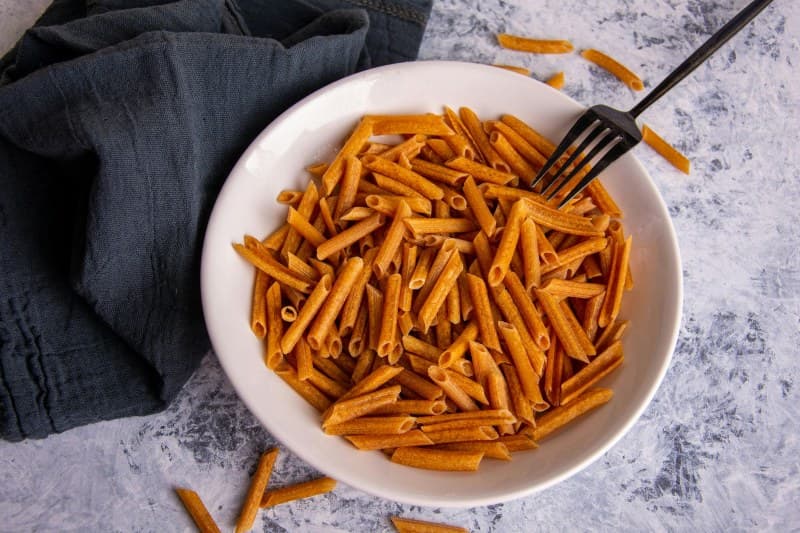
Gluten-free diets have exploded in popularity over the past decade, with many people ditching gluten to “eat cleaner.” But here’s the truth: Gluten itself isn’t unhealthy for most people. The problem often lies in how gluten-free foods are made. Processed gluten-free products (like cookies, chips, or frozen meals) often replace wheat with refined starches (rice flour, corn starch) and add extra sugar, salt, or fat to make up for lost flavor or texture.
6 Common Gluten-Free Myths Debunked
Myth 1: Gluten-free foods help you lose weight
Processed gluten-free snacks are often higher in calories than their regular counterparts. A gluten-free granola bar might have 200 calories vs. 150 for the regular one—thanks to added sugars and fats. Weight loss comes from eating fewer calories, not cutting gluten.
Myth 2: All gluten-free foods are whole grain
Many gluten-free products use refined flours (white rice flour, tapioca starch) which have had their fiber and nutrients stripped away. Look for labels that say “100% whole grain” (like quinoa, brown rice, or oats labeled gluten-free).
Myth 3: Gluten-free means no processed ingredients
Just because it’s gluten-free doesn’t mean it’s unprocessed. Gluten-free frozen pizzas, for example, often have preservatives, artificial flavors, and high sodium levels—just like regular frozen pizzas.
Myth 4: Everyone should avoid gluten for better digestion
Only people with celiac disease, non-celiac gluten sensitivity, or wheat allergy need to avoid gluten. For others, cutting gluten can lead to missing out on fiber-rich whole grains, which are great for digestion.
Myth 5: Gluten-free foods are more nutritious
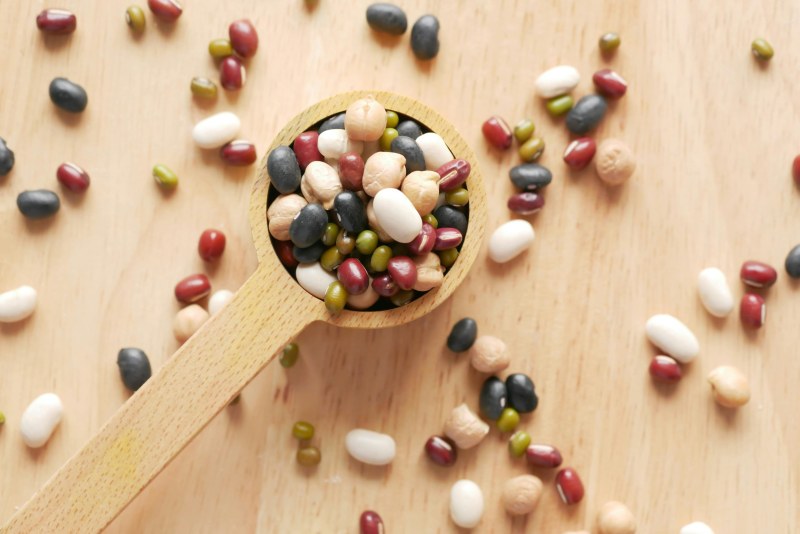
Unless you choose whole-food gluten-free options (like fruits, veggies, legumes, or quinoa), processed gluten-free foods are often less nutritious than their regular counterparts. They may lack B vitamins, iron, and fiber.
Myth 6: Gluten is toxic to everyone
There’s no scientific evidence that gluten is toxic for people without celiac disease or sensitivity. It’s a harmless protein for most.
Gluten-Free vs. Regular: A Quick Comparison
Let’s look at how different types of foods stack up:
| Aspect | Processed Gluten-Free | Whole-Food Gluten-Free | Regular Whole-Food |
|---|---|---|---|
| Sugar Content | High (often added) | Low (natural) | Low (natural) |
| Fiber | Low (refined flours) | High (quinoa, brown rice) | High (whole wheat, oats) |
| Calories | Often higher | Similar to regular whole-food | Moderate |
| Key Benefit | None (for most people) | Rich in nutrients | Rich in nutrients |
A Classic Take on Diets
“Eat food, not too much, mostly plants.” — Michael Pollan
This quote sums up what matters most: Whether you’re gluten-free or not, choosing whole, unprocessed foods is the best way to stay healthy. A gluten-free diet of fruits, veggies, and legumes is great—but a gluten-free diet of cookies and chips isn’t.
FAQ: Who Actually Needs a Gluten-Free Diet?
Q: Do I need to go gluten-free if I have bloating?
A: Bloating can be caused by many things (like eating too fast, lactose intolerance, or fiber overload). If you suspect gluten is the issue, talk to a doctor or dietitian before cutting it out. Only people with celiac disease, non-celiac gluten sensitivity, or wheat allergy need to avoid gluten long-term.
Final Tips for Smart Gluten-Free Choices
If you’re going gluten-free (for medical reasons or personal choice), here’s how to do it right:
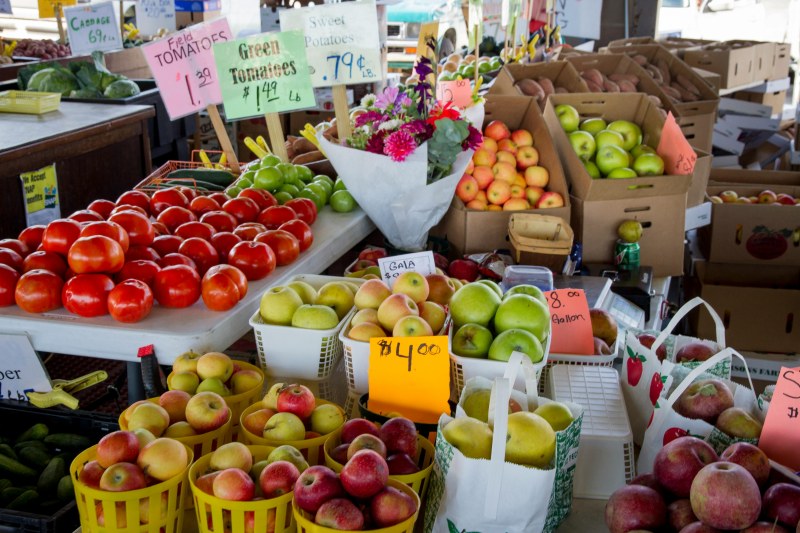
- Stick to whole foods: Quinoa, brown rice, fruits, veggies, legumes, and nuts are naturally gluten-free and nutrient-dense.
- Read labels carefully: Look for hidden gluten (like soy sauce, malt vinegar, or modified food starch) and avoid products with added sugars or refined flours.
- Don’t assume it’s healthier: A gluten-free cookie is still a cookie—enjoy it in moderation.
At the end of the day, gluten-free isn’t a one-size-fits-all solution. It’s about making informed choices that work for your body.