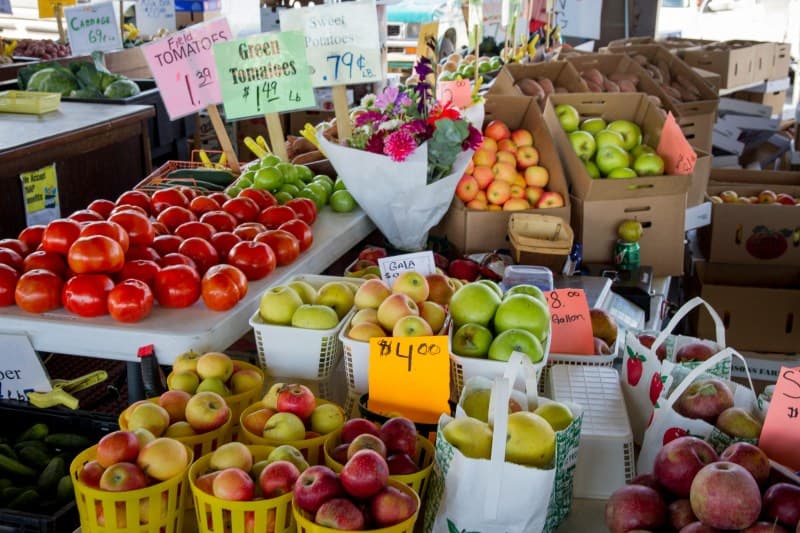
Ever bought a big bunch of spinach on Sunday, only to find it wilted and slimy by Wednesday? Or grabbed a pint of strawberries that turned moldy before you could eat half? You’re not alone—food waste from spoiled produce is a common frustration. But you don’t need expensive freshness boxes or fancy gadgets to fix it. Let’s break down two simple, budget-friendly ways to keep your fruits and veggies fresh longer.
The Two Go-To Methods for Fresh Produce
Method 1: The Paper Towel Wrap 🍃
This method is perfect for leafy greens (spinach, kale), berries (strawberries, blueberries), and herbs (cilantro, basil). Here’s how: Take your produce, gently pat it dry with a paper towel to remove excess moisture (moisture is the enemy of freshness). Then, wrap the produce in a clean paper towel and place it in a loosely sealed plastic bag or container. The paper towel absorbs any extra moisture that builds up, preventing mold and wilting.
Method 2: The Air-Tight Container with Ventilation 📦
For root veggies (carrots, celery, radishes), apples, and citrus fruits, this method works wonders. Take an air-tight container (like a mason jar or Tupperware), add a layer of paper towel at the bottom. Place your produce inside, then leave a small gap in the lid (or poke a few holes) to let air circulate. This keeps the produce from getting too humid while still protecting it from outside air.
Wondering which method to use for your produce? Here’s a quick comparison:
| Method | Best For | Effort Level | Cost | Pros | Cons |
|---|---|---|---|---|---|
| Paper Towel Wrap | Leafy greens, berries, herbs | Low (5 mins) | Cheap (paper towels) | Easy to do, uses household items | Needs frequent paper towel changes |
| Air-Tight Container with Ventilation | Root veggies, apples, citrus | Medium (10 mins) | Moderate (containers) | Longer freshness, reusable | Requires containers (may need to buy) |
“Waste not, want not.” — English Proverb
This old saying rings true today. By keeping produce fresh longer, we’re not just saving money—we’re also reducing the amount of food that ends up in landfills. Every leaf of spinach saved is a small step toward a more sustainable home.
My friend Sarah used to throw away half her weekly produce haul. She tried the paper towel wrap for her spinach and herbs—now her spinach lasts two weeks instead of three days. For her carrots, she uses the air-tight container method: she keeps them in a mason jar with a paper towel, and they stay crisp for over a month. She says she’s saved over $20 a month on produce since she started using these methods.
Quick Q&A: Common Questions
Q: Can I use these methods for all types of produce?
A: Not exactly. Bananas, avocados, and tomatoes should be kept at room temperature (they ripen faster in closed containers). Mushrooms do best in a paper bag in the fridge—avoid plastic bags, as they trap moisture. For garlic and onions, store them in a cool, dry place (not the fridge).
You don’t need to be a professional chef or spend a lot of money to keep your produce fresh. These two methods are easy to implement and work for most common fruits and veggies. Give them a try this week—your wallet (and the planet) will thank you.