Last month, my friend Sarah started chugging a protein shake every morning to build muscle and boost energy. But after three weeks, she still felt sluggish during workouts and her muscle gains were minimal. She asked: Why isn’t all this protein working? The answer lies in how well her body absorbs it—not just how much she eats.
How Protein Absorption Works
When you eat protein (like chicken, beans, or a shake), your body breaks it down into tiny building blocks called amino acids. This process starts in the stomach with enzymes like pepsin, then moves to the small intestine where trypsin and other enzymes finish the job. The amino acids are then absorbed into your bloodstream and used for muscle repair, hormone production, and energy. But not all protein gets absorbed equally—two key factors stand in the way.
2 Key Factors That Impact Protein Absorption
1. Digestive Enzymes & Gut Health
Your gut needs enough enzymes to break down protein. If you’re low on pepsin (from stomach acid issues) or trypsin (from pancreatic problems), protein stays undigested and passes through your system. Gut issues like leaky gut or IBS can also block absorption. For example, Sarah has mild lactose intolerance, so her whey protein shake (dairy-based) wasn’t breaking down properly—leading to wasted protein and bloating.
2. Protein Source & Preparation
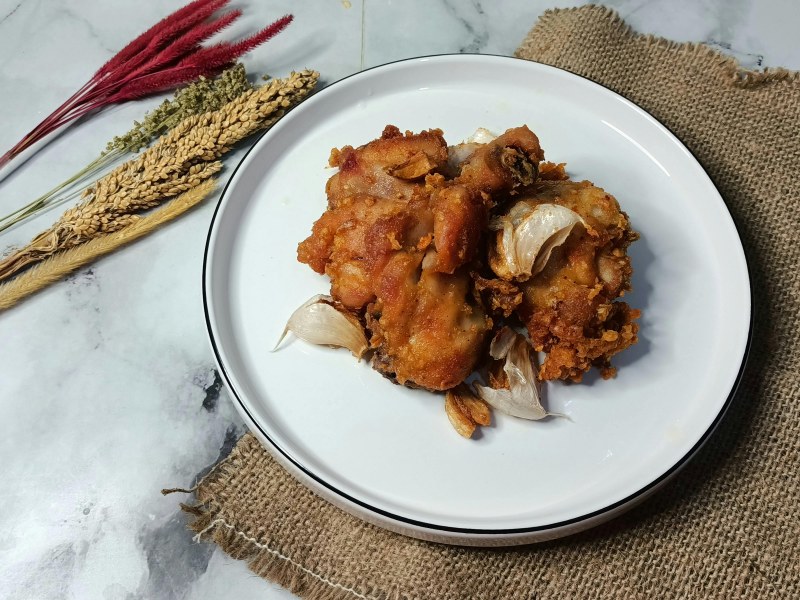
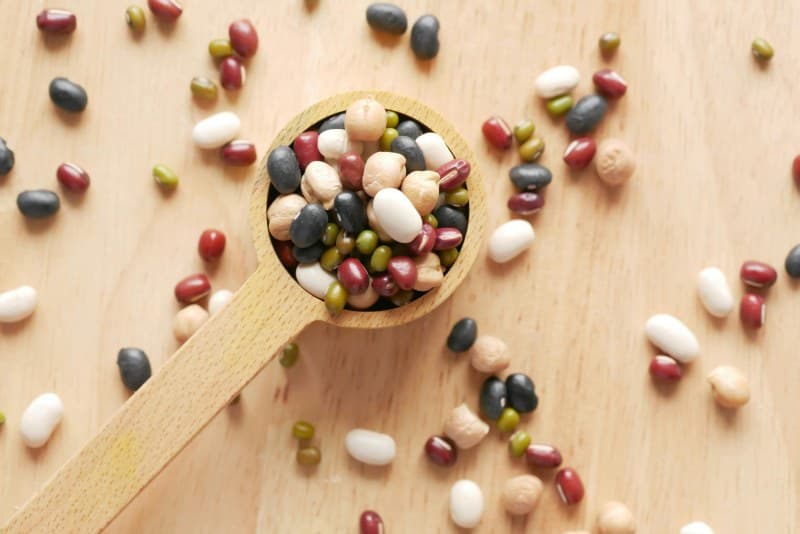
Animal proteins (chicken, fish, eggs) are “complete” (they have all 9 essential amino acids) and easier to absorb (about 90-95% absorption rate). Plant proteins (beans, lentils, quinoa) are often incomplete and harder to absorb (70-80% rate) unless paired with complementary amino acids. Cooking also helps: boiling beans softens their tough fibers, making them easier to digest than raw ones.
Animal vs. Plant Protein Absorption: A Quick Comparison
| Protein Type | Completeness | Absorption Rate | Key Tips for Better Absorption |
|---|---|---|---|
| Animal (chicken, fish, eggs) | Complete (all 9 essential amino acids) | 90-95% | Cook thoroughly to break down connective tissue. |
| Plant (beans, lentils, quinoa) | Mostly incomplete (missing 1+ amino acids) | 70-80% | Pair with complementary proteins (e.g., rice + beans) to make complete. |
Debunking Common Protein Absorption Myths
- Myth: More protein = more muscle. Fact: Your body can only absorb ~20-30 grams of protein per meal (for most adults). Excess is stored as fat or excreted.
- Myth: Plant proteins are useless. Fact: When paired correctly (like hummus + pita), plant proteins provide all essential amino acids and are absorbed well.
“The food you eat can either be the safest and most powerful form of medicine or the slowest form of poison.” — Ann Wigmore
This quote rings true for protein absorption. Choosing proteins that your body can digest and absorb is key to turning food into fuel, not waste. For Sarah, switching to a lactose-free protein shake and adding Greek yogurt (high in enzymes) to her diet helped boost absorption—she now feels more energized during workouts.
Common Question About Protein Absorption
Q: Is it better to eat protein in small meals or one big meal?
A: Spreading protein intake throughout the day (e.g., 30g at breakfast, lunch, and dinner) is more effective. Your body can’t absorb large amounts at once—so eating 90g of protein in one meal will waste most of it.
Simple Tips to Boost Protein Absorption
- Pair plant proteins with complementary amino acids (rice + beans, peanut butter + bread).
- Take digestive enzymes (like bromelain or papain) if you have gut issues (always consult a healthcare provider first).
- Cook proteins thoroughly to break down tough fibers and make them easier to digest.
- Avoid drinking too much water with meals—this dilutes stomach acid, slowing down protein breakdown.
By understanding these factors and making small tweaks, you can ensure your body gets the most out of the protein you eat. Whether you’re building muscle or just staying healthy, absorption matters as much as quantity.