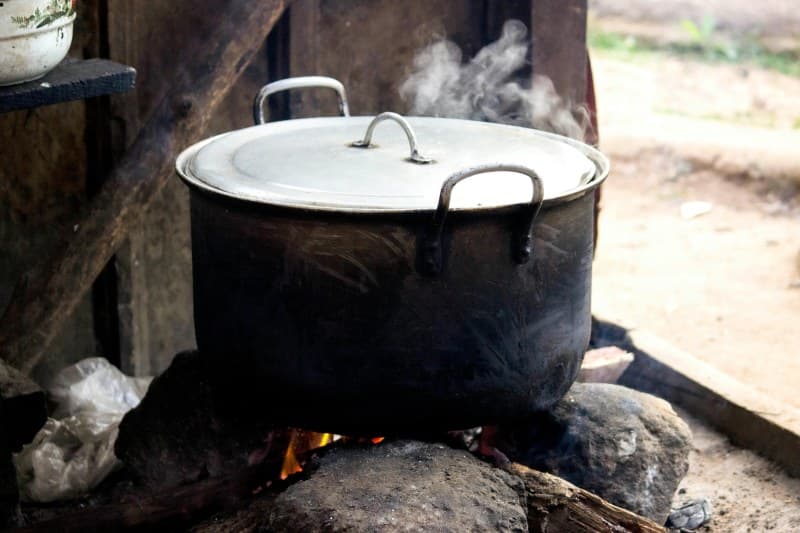
We’ve all been there: standing over a pot of water, tapping our foot as we wait for it to boil. A friend or family member swears adding salt will speed things up—so we grab the shaker and dump in a teaspoon. But does this trick actually work?
Does Salt Really Speed Up Boiling Water?
The short answer: No, not in a way you’ll notice. Adding salt raises the boiling point of water (a process called boiling point elevation), but the change is tiny. For example, 1 teaspoon of salt in 4 cups of water only increases the boiling point by about 0.5°C (0.9°F). That’s such a small shift that you won’t save any meaningful time. The real reason to add salt? Flavor—it makes pasta, veggies, and grains taste more savory.
Let’s break down the numbers to see how negligible the effect is:
| Water Amount | Salt Added | Boiling Point Increase | Time Difference |
|---|---|---|---|
| 4 cups (1L) | 1 tsp | 0.5°C (0.9°F) | Less than 1 minute |
| 8 cups (2L) | 2 tsp | 1°C (1.8°F) | 1-2 minutes (hard to notice) |
Two More Cooking Myths to Bust
Now that we’ve cleared up the salt myth, let’s tackle two other common kitchen beliefs that don’t hold water.
Myth 1: Wash Mushrooms Before Cooking
Mushrooms are porous—they soak up water like a sponge. Washing them under running water makes them soggy, which ruins their texture when sautéed or roasted. I learned this the hard way: A few years ago, I washed a batch of cremini mushrooms for a pasta dish, and they turned mushy instead of golden and crispy. Now I use a dry brush or paper towel to wipe off dirt, and my mushrooms always turn out perfect.
Myth 2: Add Oil to Pasta Water to Prevent Sticking
Many home cooks add oil to pasta water thinking it will keep noodles from clumping. But the oil floats on top of the water and doesn’t coat the pasta. When you drain the noodles, the oil stays on them and makes it harder for sauce to stick. The real fix? Use enough water (at least 4 quarts for 1 pound of pasta) and stir the noodles once when they first go into the pot.
A Classic Quote to Guide Your Cooking
“The proof of the pudding is in the eating.” — Proverb
This old saying reminds us that the best way to test a cooking myth is to try it yourself. Skip the oil in pasta water or brush your mushrooms instead of washing them—you’ll taste the difference.
FAQ: Your Burning Kitchen Questions
Q: If salt doesn’t speed up boiling, why do chefs always add it?
A: Chefs add salt for flavor, not speed. It penetrates the food as it cooks, making it more savory. Without salt, even the best sauce can taste flat.
Q: Is there any time I should wash mushrooms?
A: If your mushrooms are extremely dirty, you can rinse them quickly under cold water and pat them dry immediately. But brushing is always the better option to preserve texture.