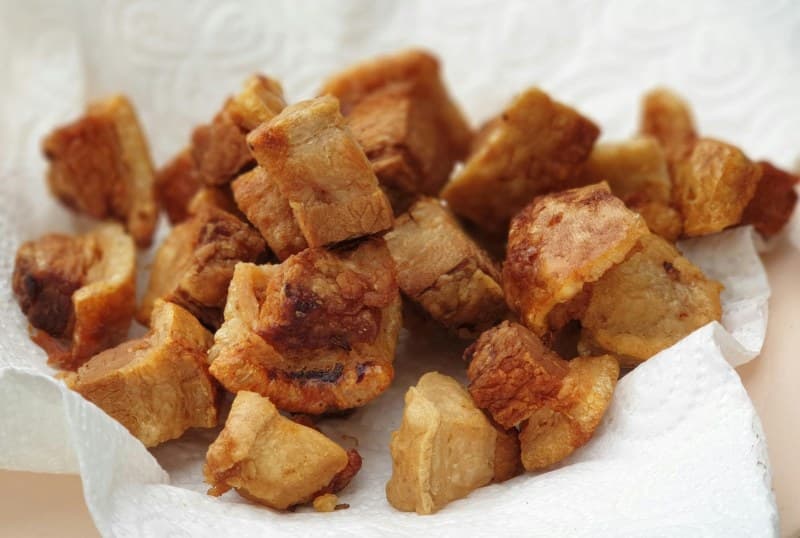
Last month, I tried to impress my partner with a pan-seared ribeye. I got distracted by a phone call, and by the time I turned back, the steak was charred on the outside and as dry as a desert on the inside. I almost tossed it—until I remembered a trick my grandma taught me: slice it thin and douse it in rich mushroom gravy. That night, we ate it with mashed potatoes, and it was actually good. If you’ve ever ruined a piece of meat, you know the feeling. But don’t despair—there are simple ways to bring it back to life.
Why Overcooked Meat Gets Dry
Overcooking meat breaks down its muscle fibers, squeezing out moisture and making it tough. The longer you cook it beyond its ideal temperature, the more moisture you lose. For example, a medium-rare steak (135°F) has juicy, tender fibers, but a well-done one (160°F+) loses most of its natural juices. The key to rescuing it is to add moisture back or mask the dryness with bold flavors.
6 Ways to Rescue Overcooked Meat
Here are 6 actionable methods to turn your dry meat into something edible (even delicious!). We’ve compared them side by side to help you pick the best option:
| Method | Effort Level | Flavor Fix | Pros | Cons |
|---|---|---|---|---|
| Slice thin + sauce/gravy | Low | Rich sauce (gravy, teriyaki, or cream) | Quick, preserves original shape | Needs a pre-made or quick sauce |
| Shred + add to stew/soup | Medium | Broth, veggies, and herbs | Masks dryness well, versatile | Takes time to prepare stew/soup |
| Cube + stir-fry with veggies | Medium | Soy sauce, garlic, or ginger | Adds crunch from veggies, fast | Requires fresh veggies |
| Make into a sandwich | Low | Mayo, pickles, or melted cheese | Portable, uses common ingredients | Needs bread and fillings |
| Braise in broth/wine | High | Red wine, broth, or tomato sauce | Adds deep flavor, softens meat | Takes 30+ minutes |
| Turn into meatballs/patties | High | Breadcrumbs, egg, and spices | Transforms into a new dish | Requires extra ingredients (binders) |
Classic Wisdom on Cooking Mistakes
“The only real stumbling block is fear of failure. In cooking, you’ve got to have a what-the-hell attitude.” — Julia Child
Julia Child’s words ring true here. Cooking is about adaptability. Instead of throwing away that overcooked chicken, try one of these tricks and turn a mistake into a meal. My grandma used to say, “A little sauce fixes almost anything”—and she was right.
Pro Tips to Prevent Overcooking Next Time
- Use a meat thermometer: For beef, medium-rare is 135°F; chicken is 165°F.
- Rest meat: Let it sit for 5-10 minutes after cooking to lock in moisture.
- Don’t overcrowd the pan: Cook meat in batches to ensure even cooking.
FAQ: Can You Undo Overcooking Completely?
Q: Is there a way to fix overcooked meat without adding extra sauce or liquid?
A: It’s hard to bring back lost moisture, but slicing it very thin and serving it with a moist side (like mashed potatoes or steamed veggies) can help. Alternatively, using a meat tenderizer (the tool or a marinade with pineapple juice) might soften it a bit, but it won’t restore the original juiciness.
Next time you overcook meat, don’t panic. Grab a sauce, a knife, or some veggies—and turn that mistake into something tasty. Happy cooking!