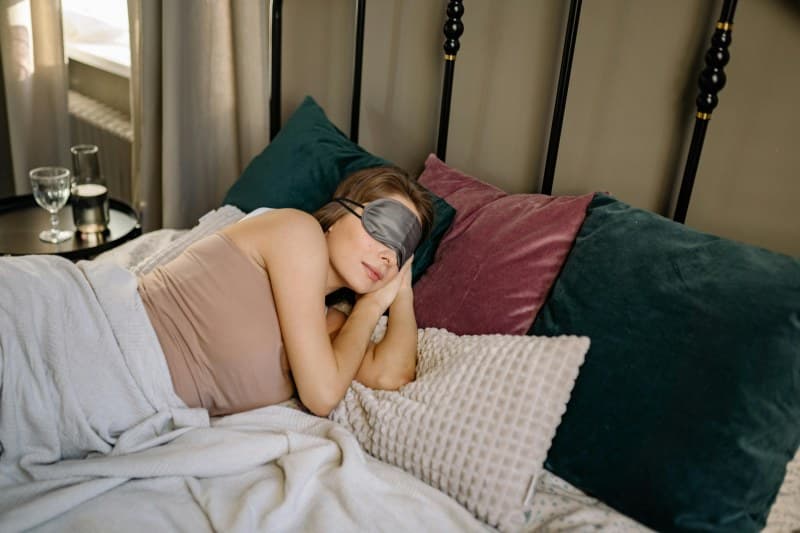
Let’s start with Lila’s story: She set her alarm for 8 hours every night, yet woke up groggy more often than not. She cut out coffee after 2 PM, avoided screens before bed, and still felt like she was dragging. Turns out, she was falling for a common sleep myth—one that made her chase a number instead of listening to her body.
6 Sleep Myths Holding You Back
We’ve all heard these “rules” about sleep, but many are based on old wives’ tales, not science. Let’s break them down.
Myth 1: You Must Get Exactly 8 Hours of Sleep
For years, 8 hours was the golden rule. But research shows sleep needs vary: some people thrive on 7, others need 9. Lila? She realized she felt best with 7.5 hours—aligning with her natural sleep cycles (each cycle is ~90 minutes).
Myth 2: Napping Ruins Nighttime Sleep
Short naps (20-30 minutes) can boost energy without disrupting nighttime rest. A study from the National Sleep Foundation found that napping improves alertness and mood—perfect for busy days.
Myth 3: Hitting Snooze Helps You Catch Up
When you hit snooze, you’re diving back into a sleep cycle you can’t finish. This leaves you feeling groggy (called sleep inertia). Instead, set your alarm for the time you actually need to get up.
Myth 4: Alcohol Helps You Sleep Better
Alcohol may help you fall asleep faster, but it disrupts deep sleep (the restorative stage). You’ll wake up more often during the night without realizing it.
Myth 5: If You Can’t Sleep, Stay in Bed Until You Do
Your brain associates bed with sleep. If you lie awake for 20+ minutes, get up and do a calm activity (like reading a physical book) until you feel tired. This keeps your bed a “sleep-only” zone.
Myth 6: Everyone Needs the Same Sleep Schedule
Some people are early birds (larks), others are night owls (owls). Trying to force a lark schedule on an owl leads to poor sleep quality. Embrace your natural rhythm.
Myth vs. Fact vs. Fix: A Quick Guide
Here’s a side-by-side look at each myth to help you adjust your habits:
| Myth | Fact | Science-Backed Fix |
|---|---|---|
| 8 hours is mandatory | Sleep needs range from 7-9 hours | Track your sleep for a week to find your sweet spot |
| Naps ruin nighttime sleep | Short naps (20-30 mins) boost energy | Avoid napping after 3 PM |
| Hitting snooze helps | Snooze causes sleep inertia | Place your alarm across the room to force you up |
| Alcohol aids sleep | Alcohol disrupts deep sleep | Avoid alcohol 3+ hours before bed |
| Stay in bed if you can’t sleep | Bed should be for sleep only | Get up and do a calm activity until tired |
| Everyone’s schedule is the same | Rhythms vary (larks vs. owls) | Align your sleep with your natural rhythm |
Wisdom from the Past (With a Modern Twist)
“Early to bed and early to rise makes a man healthy, wealthy, and wise.” — Benjamin Franklin
Franklin’s advice has merit, but it’s not one-size-fits-all. If you’re an owl, going to bed early will leave you tossing and turning. The key takeaway? Consistency matters more than the exact time—stick to the same sleep/wake schedule even on weekends.
FAQ: A Common Sleep Question Answered
Q: I wake up at 3 AM and can’t fall back asleep—what should I do?
A: First, don’t panic. This is common. Get out of bed and do something low-stimulation (like folding laundry or sipping herbal tea). Avoid screens—blue light suppresses melatonin. Once you feel tired, go back to bed. If this happens often, check if you’re drinking too much caffeine or alcohol.
Final Thoughts
Sleep isn’t a one-size-fits-all equation. By ditching these myths and listening to your body, you can get the rest you need. Lila adjusted her schedule to 7.5 hours, stopped forcing early bedtimes, and now wakes up feeling refreshed. What myth will you let go of tonight?