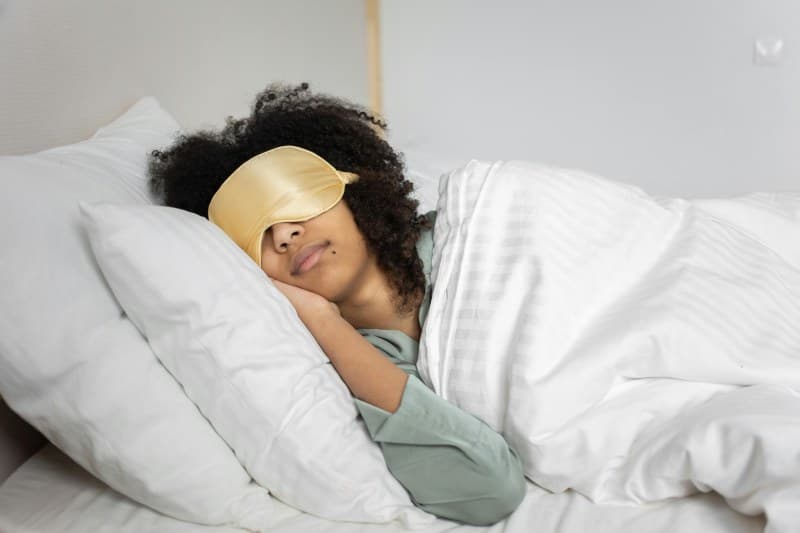
Imagine Sarah, a college student who pulls an all-nighter to finish a paper. By 3 a.m., she’s exhausted but can’t fall asleep—her mind races, and her body feels wired. She wonders: Why won’t my body let me rest when I’m so tired? The answer lies in how our bodies regulate sleep, a complex system of hormones and rhythms that most of us take for granted.
How Sleep Regulation Works: The Core System
At the heart of sleep regulation are two main players: the circadian rhythm (your internal 24-hour clock) and the homeostatic drive (the urge to sleep that builds up the longer you’re awake). Let’s break down the key hormones involved:
- Melatonin: Produced by the pineal gland when it’s dark, this hormone signals your body to prepare for sleep. Blue light from screens can suppress its production.
- Cortisol: The “stress hormone” that peaks in the morning to wake you up and dips in the evening to help you wind down.
- Adenosine: A chemical that accumulates during wakefulness—higher levels mean stronger sleepiness. Caffeine blocks adenosine receptors, temporarily reducing sleepiness.
7 Common Sleep Regulation Myths Debunked
Many of us believe things about sleep that aren’t true. Here’s a quick comparison of myths vs. facts:
| Myth | Fact |
|---|---|
| You can “catch up” on sleep over the weekend. | Weekend sleep-in disrupts your circadian rhythm, leading to “social jetlag” and making it harder to sleep during the week. |
| Melatonin supplements fix all sleep problems. | They help with jet lag or shift work but don’t address underlying issues like stress or poor sleep habits. |
| Snoring is harmless. | Loud, consistent snoring may indicate sleep apnea, which disrupts sleep regulation and has health risks. |
| You need 8 hours of sleep every night. | Most adults need 7-9 hours, but individual needs vary—some function well on 6, others need 10. |
| Exercising right before bed helps you sleep. | Vigorous exercise raises cortisol levels, making it harder to fall asleep. Light stretching is okay. |
| Alcohol helps you sleep better. | Alcohol suppresses REM sleep (the restorative stage) and causes frequent awakenings later in the night. |
| Watching TV in bed helps you relax. | Blue light from screens suppresses melatonin, delaying sleep onset. |
Practical Tips to Support Your Sleep Regulation
Small changes can make a big difference in how well your body regulates sleep. Try these:
- Stick to a schedule: Go to bed and wake up at the same time every day (even weekends).
- Limit blue light: Turn off screens 1 hour before bed, or use blue light filters.
- Create a calming bedtime routine: Try reading, taking a warm bath, or practicing deep breathing.
- Avoid caffeine after 2 p.m.: Caffeine has a half-life of 6 hours, so it can linger in your system.
- Keep your bedroom cool and dark: Optimal sleep temperature is 60-67°F (15-19°C).
“Sleep is the best meditation.” — Dalai Lama
This quote reminds us that sleep isn’t just a break from daily life—it’s a vital part of our well-being. When our body’s sleep regulation works properly, we wake up feeling refreshed and ready to take on the day.
FAQ: Common Sleep Regulation Questions
Q: Can I train my body to sleep less than 7 hours?
A: While some people claim to be “short sleepers,” most adults need at least 7 hours. Chronic sleep deprivation can lead to health issues like high blood pressure, weakened immunity, and poor focus. It’s not worth the risk.
Q: Why do I wake up at the same time every night?
A: Waking up consistently at 3-4 a.m. may be due to a drop in blood sugar or an imbalance in cortisol levels. Try eating a small, protein-rich snack before bed or reducing stress in the evening.
Understanding how your body regulates sleep is the first step to getting better rest. By debunking myths and making small changes to your routine, you can support your body’s natural sleep system and wake up feeling your best.