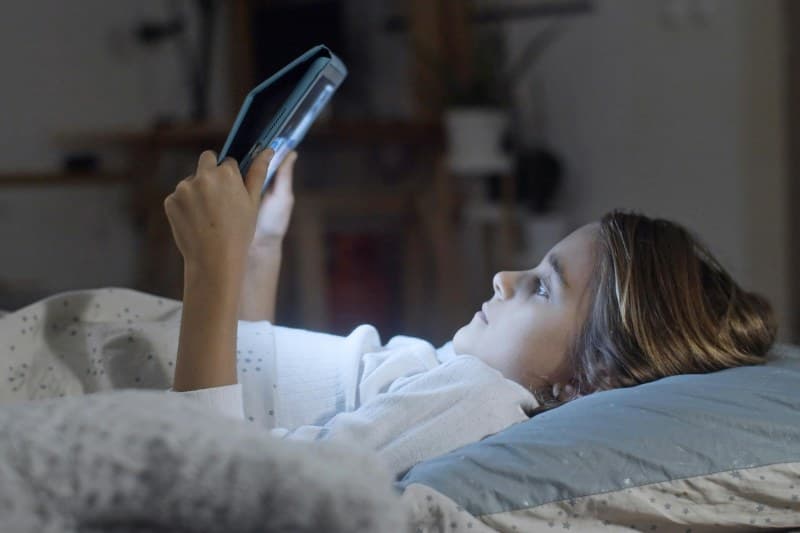
Let’s be real: if you’re reading this, you probably spend way too much time staring at a screen. Whether you’re a remote worker, student, or just scrolling after hours, that dry, burning feeling in your eyes by the end of the day is all too familiar. Take Sarah, a freelance writer who used to finish her work with red, watery eyes and a pounding headache. She tried eye drops and cold compresses, but nothing stuck—until she found two methods that actually made a difference.
The Two Core Ways to Ease Screen Eye Strain
1. The 20-20-20 Rule: A Quick Reset for Tired Eyes
You’ve likely heard of this one, but do you actually follow it? The rule is simple: every 20 minutes, look at something 20 feet away for 20 seconds. It’s designed to relax the ciliary muscles in your eyes, which stay contracted when you focus on close screens for long periods. Sarah started setting a phone timer that went off every 20 minutes. At first, she ignored it during tight deadlines, but over time, she learned to step away for 20 seconds—even if it meant just staring at her office plant.
2. Blue Light Filtering: Blocking the Harshest Rays
Blue light is the high-energy light emitted by screens that can disrupt your sleep and cause eye fatigue. There are two main ways to filter it: software (like Night Shift on iOS or Dark Mode on Android) or physical blue light glasses. Sarah tried software first—it was free and easy to turn on, but she found that her eyes still felt tired after 8 hours. Then she invested in a pair of blue light glasses. Within a week, she noticed her eyes felt less dry and she slept better at night.
To help you choose, here’s a quick comparison of the options:
| Method | Cost | Ease of Use | Effectiveness for Long Sessions | Pros | Cons |
|---|---|---|---|---|---|
| 20-20-20 Rule | $0 | Medium (needs discipline) | Low to Medium | No gear needed, relaxes eye muscles | Easy to forget, interrupts workflow |
| Blue Light Software | $0 | High (one-time setup) | Medium | Free, adjusts automatically | Doesn’t block all blue light, can alter screen colors |
| Blue Light Glasses | $15–$100+ | High (put on and go) | High | Blocks most blue light, no screen changes | Costs money, easy to lose |
“The eye is the lamp of the body. If your eyes are healthy, your whole body will be full of light.” – Matthew 6:22
This age-old wisdom reminds us that taking care of our eyes isn’t just about comfort—it’s about overall wellness. Sarah’s experience proves this: once her eye strain eased, she had more energy to enjoy her evenings instead of crashing on the couch.
Common Questions Answered
Q: Can I use both methods at the same time?
A: Absolutely! In fact, combining the 20-20-20 rule with blue light glasses is one of the most effective ways to reduce eye strain. The rule relaxes your muscles, while the glasses block harsh light—double the benefit.
Q: Do blue light glasses work for everyone?
A: Most people notice a difference, but results vary. If you spend 6+ hours on screens daily, they’re more likely to help. If you only use screens for an hour or two, the 20-20-20 rule might be enough.
Final Thoughts
You don’t need fancy gadgets or expensive treatments to ease screen eye strain. Start with one method—maybe the 20-20-20 rule if you’re on a budget, or blue light glasses if you have long screen days. Over time, you’ll find what works best for your schedule. Remember: small, consistent changes are better than big, unsustainable ones. Your eyes will thank you.