Last week, my friend Lila— a teacher and mom of two— texted me in a panic. She’d spent the morning juggling school drop-offs, a last-minute work deadline, and a broken coffee maker. By noon, she was in tears, feeling like she couldn’t catch her breath. Sound familiar? We all have those days where stress feels like a heavy blanket. The good news? You don’t need a fancy spa day or hours of meditation to find relief. Here are 6 simple daily ways to cut stress, with all the details you need to pick what works for you.
6 Stress Relief Methods (At a Glance)
Before diving in, here’s a quick comparison to help you choose:
| Method | Time Commitment | Mood Impact (1-5) | Pros | Cons |
|---|---|---|---|---|
| 5-Minute Deep Breathing | 5 mins | 4 | Instant calm, no tools needed | Hard to focus if distracted |
| Walk Around the Block | 10 mins | 5 | Fresh air + movement = double benefit | Weather-dependent |
| Write 3 Gratitude Points | 3 mins | 3 | Shifts focus to positives | Feels forced at first |
| 2-Minute Stretch Break | 2 mins | 4 | Relieves physical tension | Needs a small space to move |
| Sip Herbal Tea Slowly | 5 mins | 3 | Warmth + ritual = comfort | Requires access to tea/boiling water |
| 3-Minute Upbeat Song | 3 mins | 5 | Boosts mood quickly | May not be appropriate in quiet settings |
Why These Methods Work
Stress triggers our body’s fight-or-flight response, which can leave us feeling jittery or overwhelmed. These methods target that response by activating the parasympathetic nervous system—the part of our body that helps us relax. Let’s break down each one:
1. 5-Minute Deep Breathing
Try the 4-7-8 technique: inhale for 4 seconds, hold for 7, exhale for 8. Lila tried this during her lunch break last week. She sat in her car, closed her eyes, and did three rounds. “I felt my shoulders drop immediately,” she said. It’s perfect for when you’re stuck at your desk or in a crowded space.
2. Walk Around the Block
Even a short walk can lower cortisol (the stress hormone) levels. My neighbor, a software engineer, takes a 10-minute walk every afternoon. He says it helps him clear his head before tackling his next task. Plus, the change of scenery breaks up the monotony of the day.
3. Write 3 Gratitude Points
Grabbing a notebook and jotting down three things you’re grateful for—even small ones like “sunshine through the window” or “a good cup of coffee”—shifts your focus from stressors to positives. A study from the University of California found that people who practice daily gratitude report lower stress levels over time.
4. 2-Minute Stretch Break
Stress often shows up as physical tension—tight shoulders, a clenched jaw. A quick stretch (like rolling your shoulders or reaching for the ceiling) can release that tension. I keep a sticky note on my computer to remind me to stretch every hour. It’s a small habit that makes a big difference.
5. Sip Herbal Tea Slowly
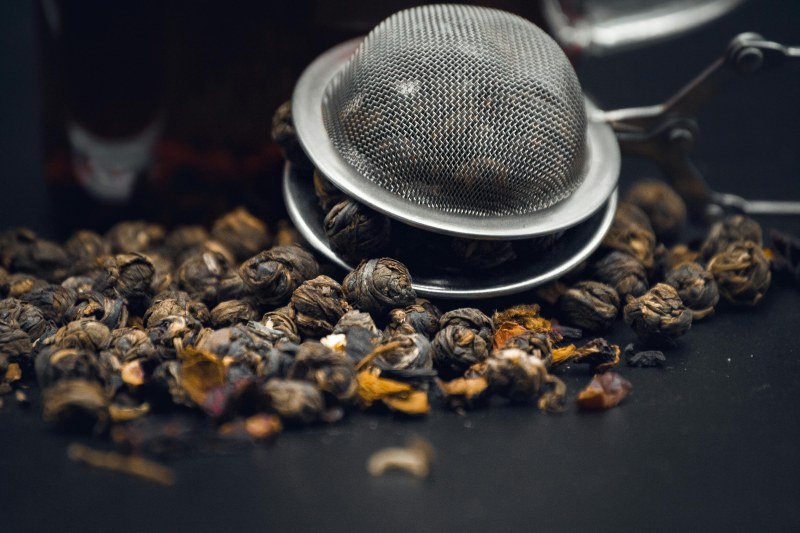
Chamomile or peppermint tea has calming properties, but the ritual of sipping slowly is just as important. Taking a few minutes to savor the warmth and flavor gives your brain a break from constant stimulation. My grandma swears by this—she drinks a cup of chamomile every evening before bed.
6. 3-Minute Upbeat Song
Putting on a song you love (think: your favorite 90s pop hit or a upbeat indie track) can boost endorphins (the “happy” hormones). I keep a playlist of feel-good songs on my phone for when I’m feeling stressed. Last week, I played “Dancing Queen” while folding laundry—suddenly, the chore felt fun instead of tedious.
Wisdom to Remember
“We cannot choose our external circumstances, but we can always choose how we respond to them.” — Epictetus
This quote reminds us that stress isn’t just about what happens to us—it’s about how we react. These small methods help us choose a calmer response instead of letting stress take over.
FAQ: Your Stress Relief Questions Answered
Q: Do these methods work for chronic stress?
A: While these are great for daily stress spikes, chronic stress (long-term stress that lasts weeks or months) may need additional support, like talking to a therapist or counselor. But incorporating these habits can still make a noticeable difference in your day-to-day mood.
Q: Can I combine multiple methods?
A: Absolutely! For example, you could take a walk around the block and then write down three gratitude points. Or sip herbal tea while doing deep breathing. Mix and match to find what works best for you.
At the end of the day, reducing stress is about small, consistent changes. You don’t have to overhaul your life—just pick one method to try this week. Who knows? It might be the thing that helps you catch your breath, just like it did for Lila.