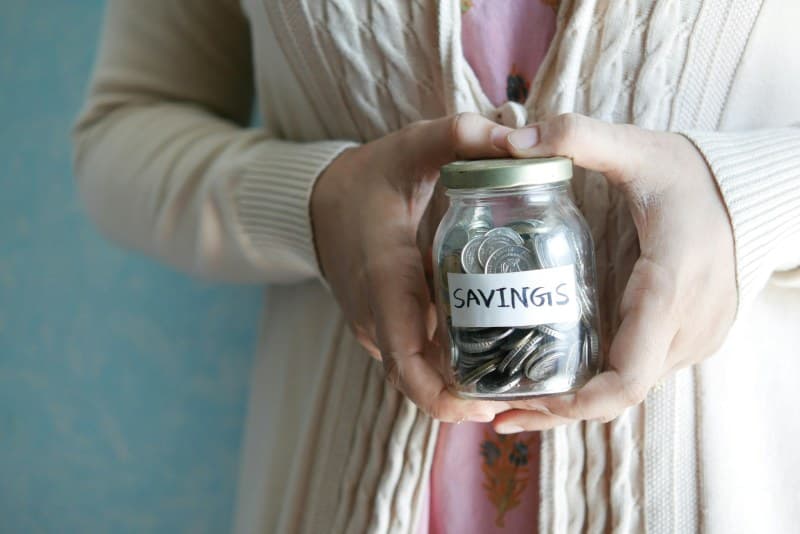
Ever felt like no matter how hard you try, you can’t put aside even $10 a month? Let’s talk about Sarah: she works a steady 9-to-5, makes enough to cover bills, but every time she checks her bank account at the end of the month, there’s nothing left. Coffee runs, unexpected tire repairs, and last-minute dinner plans always eat into her funds. She’s stuck in a cycle of wanting to save but never quite getting there—this is the frustration we’re unpacking today.
Why the 'can’t save' feeling lingers
It’s not just about being 'bad with money.' Three common barriers hold people back:
- Mental blocks: Many think saving requires large sums (like $100 a month) to matter. So they don’t start at all.
- Hidden expenses: Those $3 lattes or $5 snack runs add up—$3 a day is $90 a month, easy to miss.
- No clear goal: Without a reason to save (like a new book or weekend trip), it’s hard to stay motivated.
6 practical ways to turn it around
You don’t need a big salary to start saving. Try these small, actionable steps:
- Micro-savings: Round up every purchase to the nearest dollar. For example, a $4.20 coffee becomes $5—save the $0.80. Apps like Acorns do this automatically.
- Auto-transfer: Set up a weekly transfer of $5-$10 to a separate savings account. Out of sight, out of mind.
- Budget for fun: Allocate 5-10% of your income to 'guilt-free spending.' This way, you don’t feel deprived and are less likely to overspend.
- Track hidden expenses: Log every small purchase for a month (even that $2 candy bar). You’ll be shocked at where your money goes.
- Set a tiny goal: Save for something specific, like a $50 plant or a $100 concert ticket. Small wins keep you motivated.
- Negotiate bills: Call your internet or phone provider to ask for a better rate. Even $10 off a month adds up to $120 a year.
Compare 3 popular saving methods
Not sure which method fits you? Here’s a quick breakdown:
| Method | Effort Level | Monthly Impact (Estimated) | Best For |
|---|---|---|---|
| Micro-savings | Low (auto-apps) | $20-$50 | People who forget to save manually |
| Auto-transfer | Medium (set it once) | $20-$100 | Those who need structure |
| Envelope System | High (cash management) | $50-$150 | People who prefer tangible money |
Classic wisdom to keep in mind
“A penny saved is a penny earned.” — Benjamin Franklin
This old saying isn’t just a cliché. It reminds us that every small saving counts. Sarah, our earlier example, started with micro-savings. After 6 months, she had $240—enough to buy the new laptop she needed for work. It wasn’t a fortune, but it gave her the confidence to keep going.
FAQ: Can I save with a tight budget?
Q: I barely have enough to cover bills—how can I save anything?
A: Even $2 a day adds up to $730 a year. Start with the smallest amount you can (like $1 a week) and gradually increase. The key is to build the habit first, then worry about the amount.
Breaking the 'can’t save' cycle isn’t about being perfect. It’s about taking small steps and being kind to yourself. Whether you start with micro-savings or auto-transfers, every little bit helps. You’ve got this!