We’ve all been there: you grab a bag of crisp spinach and a pint of plump strawberries from the store, only to find them wilted or fuzzy three days later. Wasting fresh produce isn’t just frustrating—it’s a hit to your wallet and the planet. But with a few simple tricks, you can extend the life of your fruits and veggies without fancy gadgets or expensive storage solutions.
Why Produce Spoils So Fast
Produce spoils for three main reasons: ethylene gas (emitted by fruits like apples and bananas to speed ripening—bad news for sensitive veggies), moisture buildup (breeds mold), and enzyme breakdown (turns crisp veggies soft). Understanding these causes helps you target the right fix.
6 Hacks to Keep Produce Fresh Longer
Below are six easy hacks, plus a quick comparison to help you pick the right ones for your needs:
| Hack | Cost | Effort Level | Shelf Life Boost |
|---|---|---|---|
| Paper towel in produce bags | Low (reuse paper towels) | Easy | 2-3 days |
| Separate ethylene producers | Free | Medium (sorting) | 3-5 days |
| Cool dark storage for roots | Free (use existing cabinet) | Easy | 1-2 weeks |
| Airtight containers for cut produce | Medium (buy containers) | Easy | 3-4 days |
| Blanch & freeze leafy greens | Low (water + freezer bags) | Medium | 2-3 months |
| Vinegar water soak for berries | Low (vinegar + water) | Easy | 5-7 days |
1. Paper Towel in Produce Bags
Place a dry paper towel inside your produce bag (plastic or cloth) to absorb excess moisture. This works wonders for leafy greens like spinach or kale—no more slimy leaves!
2. Separate Ethylene Producers
Fruits like apples, bananas, and avocados emit ethylene gas. Keep them away from sensitive veggies (spinach, carrots, broccoli) and berries. Store ethylene producers in a separate drawer or bowl.
3. Cool Dark Storage for Root Veggies
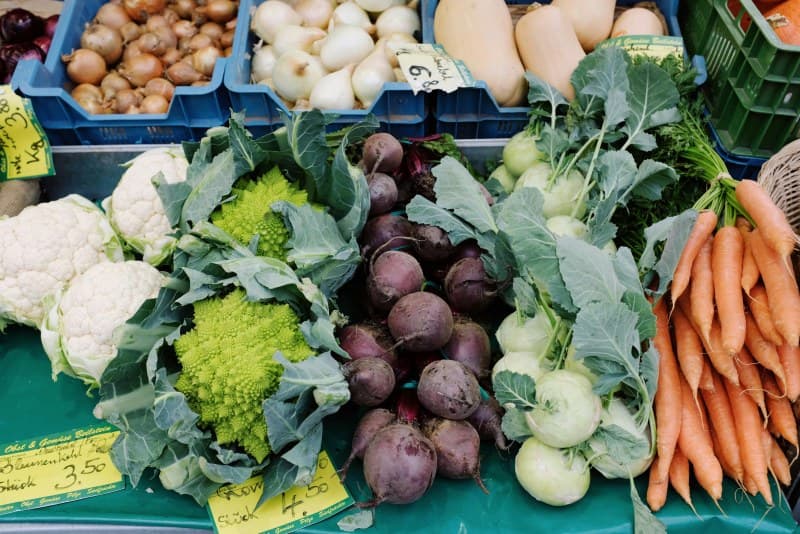
Potatoes, carrots, and onions hate the fridge. Store them in a cool, dark cabinet (like under the sink or in a pantry) to keep them firm for weeks.
4. Airtight Containers for Cut Produce
Once you cut fruits or veggies (like cucumber or melon), store them in airtight containers to lock in moisture and prevent oxidation. This keeps them crisp longer.
5. Blanch & Freeze Leafy Greens
Boil leafy greens for 30 seconds, then plunge into ice water to stop cooking. Drain, squeeze out excess moisture, and freeze in bags. They’ll stay fresh for months—perfect for smoothies!
6. Vinegar Water Soak for Berries
Mix 1 part white vinegar with 10 parts water. Soak berries for 5 minutes, rinse well, and dry completely. The vinegar kills mold spores, so berries last twice as long.
“Waste not, want not.” — Traditional Proverb
This old saying rings true here. By using these hacks, you’re not just saving money—you’re reducing food waste, which is one of the easiest ways to help the environment.
Real-Life Example: Sarah’s Berry Hack
My friend Sarah used to throw away half her berry haul every week. She tried the vinegar soak hack and was shocked: her strawberries went from lasting 3 days to 10! Now she uses the extra berries to make jam or add to her morning oatmeal—no more wasted fruit.
FAQ: Common Produce Storage Question
Q: Do all fruits and veggies need to be refrigerated?
A: No! Root veggies (potatoes, carrots, onions) do best in a cool, dark place. Tomatoes should stay on the counter until ripe—refrigerating unripe tomatoes makes them mealy. Once ripe, you can refrigerate them to slow further ripening.
With these simple hacks, you can say goodbye to wilted greens and moldy berries. Give them a try—your wallet and the planet will thank you!