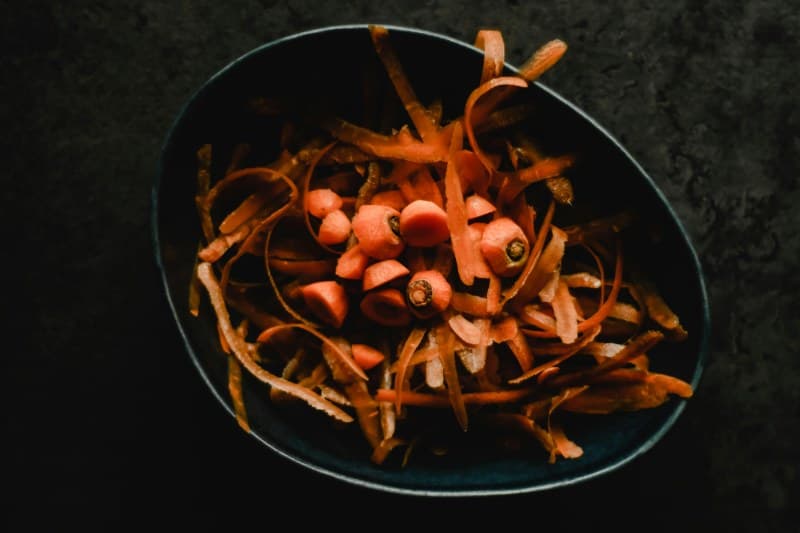
When I was a kid, my mom would push a plate of carrots toward me at dinner, saying, “Eat these, and you’ll be able to see in the dark like a cat!” I’d munch them down, half-excited to test my new superpower later that night. Spoiler: I still tripped over the dog’s toy in the hallway. So is the carrot-night vision myth actually true?
The Carrot-Night Vision Myth: Where It Came From
The story behind this myth is surprisingly tied to WWII. The British Royal Air Force (RAF) had just developed radar technology, which let their pilots shoot down German planes at night without being detected. To keep this secret, they told the press that their pilots’ exceptional night vision came from eating lots of carrots. The public ate it up (pun intended), and the myth stuck around for decades.
The truth? Carrots are rich in beta-carotene, a nutrient the body converts into vitamin A. Vitamin A is essential for eye health—deficiency can lead to night blindness. But eating extra carrots won’t give you superhuman night vision. Your body only needs a certain amount of vitamin A, and any excess is stored or excreted.
Two More Eye Health Myths to Debunk
Let’s clear up two other common myths that might be floating around your mind:
Myth 1: Sitting Too Close to Screens Damages Eyes Permanently
We’ve all heard it: “Move back from the TV—you’ll ruin your eyes!” Staring at screens for long periods can cause eye strain (dryness, fatigue, or blurry vision), but it doesn’t lead to permanent damage. Your eyes are designed to adjust, and taking short breaks can ease the strain.
Myth 2: Reading in Dim Light Causes Myopia (Nearsightedness)
Many of us grew up with parents scolding us for reading under the covers with a flashlight. But dim light only causes temporary eye strain, not nearsightedness. Myopia is mostly genetic, though excessive close-up work (like reading or screen time) can worsen it over time.
Myth vs. Truth: A Quick Comparison
Let’s break down these three myths side by side to avoid confusion:
| Myth | What People Believe | The Science-Backed Truth | Key Takeaway |
|---|---|---|---|
| Carrots improve night vision | Extra carrots let you see in the dark like a cat | Carrots provide vitamin A (prevents night blindness), but no super vision | Eat carrots for basic eye health, not superpowers |
| Screen time damages eyes permanently | Staring at screens ruins your eyesight forever | Screen time causes temporary strain, no permanent harm | Take 20-20-20 breaks to ease strain |
| Dim light causes myopia | Reading in dim light makes you nearsighted | Dim light causes temporary strain; myopia is mostly genetic | Use a lamp for reading, but don’t worry about permanent damage |
“Let food be thy medicine and medicine be thy food.” — Hippocrates
This ancient wisdom rings true for eye health. While carrots alone won’t give you night vision, a balanced diet with vitamin A (carrots, sweet potatoes), lutein (spinach, kale), omega-3s (salmon), and vitamin C (oranges) supports long-term eye health. Think of it as fuel for your eyes, not a magic potion.
A Relatable Example: My Friend’s Nearsightedness Scare
My friend Sarah used to read every night under her covers with a small flashlight. When she got her first eye exam and found out she was nearsighted, she blamed her late-night reading habits. But her optometrist explained that her myopia was mostly genetic—her mom and dad are both nearsighted. The dim light had caused temporary strain, but not the permanent vision change.
Common Question About Eye Health
Q: What foods actually help maintain good eyesight?
A: Focus on nutrient-dense foods like leafy greens (spinach, kale) for lutein and zeaxanthin (which protect the retina), fatty fish (salmon, sardines) for omega-3s, sweet potatoes and carrots for vitamin A, and citrus fruits for vitamin C. These nutrients work together to support eye health and reduce the risk of age-related issues like macular degeneration.
Practical Tips for Healthy Eyes
- Take 20-20-20 breaks: Every 20 minutes, look at something 20 feet away for 20 seconds to reduce screen strain.
- Use a humidifier: Dry air (from AC or heaters) can irritate eyes—add moisture to your space.
- Get regular eye exams: Even if you don’t have vision problems, annual checkups can catch issues early.
So next time someone tells you to eat carrots for night vision, you can share the real story. Eye health is about balance, not magic—so keep those carrots on your plate, but don’t expect to see in the dark!