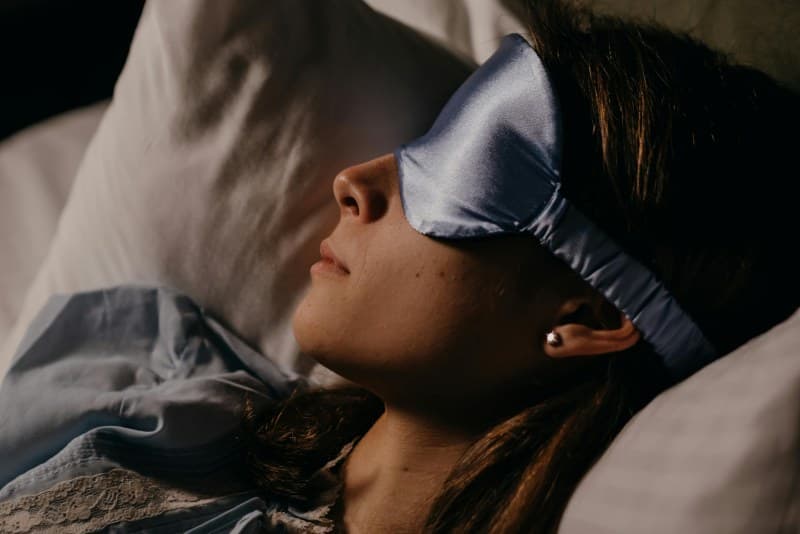
We’ve all been there: lying in bed at 2 a.m., staring at the ceiling, replaying the day’s events or worrying about tomorrow. You know you need sleep, but your brain won’t shut off. What if there were simple, natural ways to get better rest without relying on pills? Let’s dive into 5 evidence-backed methods that can help.
The 5 Natural Ways to Boost Sleep Quality
Each method below is designed to align with your body’s natural circadian rhythm—the internal clock that regulates sleep and wakefulness. Here’s how they stack up:
| Method | Effort Level | Time to See Results | Pros | Cons |
|---|---|---|---|---|
| Dim Blue Light 1 Hour Before Bed | Low | 1-2 nights | Easy to implement; uses existing devices (blue light filters) | Requires breaking habit of screen time before bed |
| Consistent Sleep-Wake Schedule | Medium | 3-7 days | Stabilizes circadian rhythm; reduces morning grogginess | Hard to maintain on weekends or holidays |
| 5-Minute Mindful Breathing | Low | 1-3 nights | Reduces stress hormones; no equipment needed | May take practice to focus initially |
| Cool Bedroom (60-67°F/15-19°C) | Low | 1 night | Speeds up onset of deep sleep; improves sleep duration | May be uncomfortable for partners who prefer warmth |
| Limit Caffeine After 2 PM | Medium | 2-3 days | Eliminates late-night jitters; improves sleep depth | Requires avoiding coffee, tea, and energy drinks later in the day |
A Relatable Story: Mia’s Sleep Turnaround
Mia, a 32-year-old elementary school teacher, struggled with falling asleep for months. She’d stay up grading papers until 11 PM, scrolling through her phone before bed. After trying the dim blue light method (she turned on her phone’s night shift mode and used a table lamp instead of overhead lights), she noticed she fell asleep 15 minutes faster. A week later, she added a consistent sleep schedule—going to bed at 10 PM and waking at 6 AM even on weekends. Within two weeks, she no longer woke up at 3 a.m. and felt more energized during her morning lessons.
Classic Wisdom on Sleep
“Early to bed and early to rise makes a man healthy, wealthy, and wise.” — Benjamin Franklin
While Franklin’s advice is centuries old, modern science backs it up. A consistent sleep-wake schedule (like going to bed early and waking early) helps regulate your circadian rhythm, leading to better sleep quality and improved daytime productivity. It’s not just about the number of hours—consistency matters most.
FAQ: Common Sleep Questions
Q: Can these methods help if I have chronic insomnia?
A: These methods are complementary to professional care. If you have chronic insomnia, consult a healthcare provider first. However, many people with mild to moderate sleep issues find these natural methods helpful in improving their sleep quality.
Final Thoughts
You don’t need fancy gadgets or expensive products to get better sleep. Start with one method—like dimming blue light or setting a consistent bedtime—and see how it works for you. Small changes can lead to big improvements in your sleep and overall well-being.