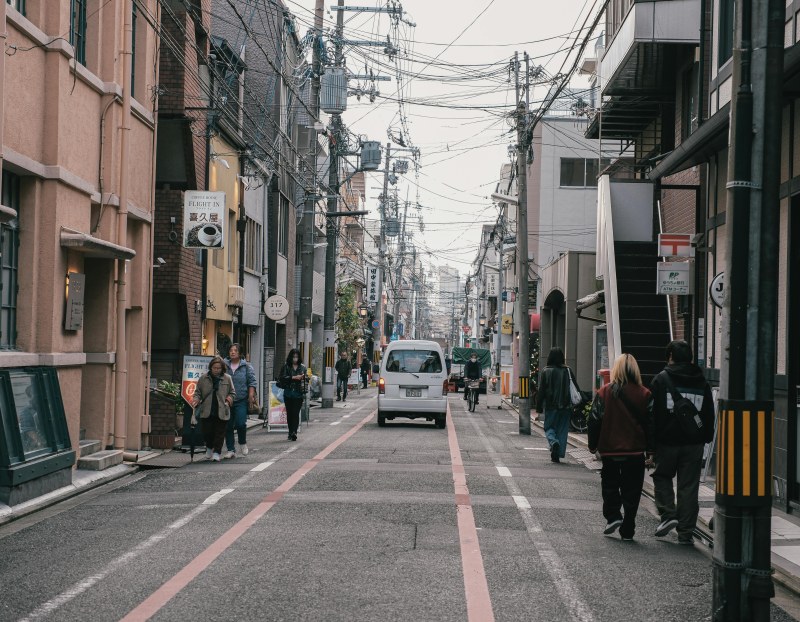
Last summer, I spent three days in Barcelona checking off all the tourist boxes: Sagrada Familia, La Rambla, and the Gothic Quarter. But by day four, I felt like I was seeing a postcard version of the city—not the real thing. Then a local barista suggested I join a neighborhood paella night in Gràcia. I showed up, sat with a family of four, and spent the evening laughing (mostly through gestures) while learning to stir saffron into rice. That night, I finally felt like I got Barcelona. If you’ve ever had that “missing the real culture” travel regret, these four ways will help you fix it.
4 Ways to Unlock Authentic Local Culture
1. Join a Neighborhood Community Event 🏘️
Local festivals, weekly markets, or even a neighborhood cleanup day are goldmines for authentic interactions. In Tokyo, I stumbled on a summer matsuri (festival) in a residential area—no tourists, just kids chasing each other with lanterns and elders selling homemade dango. Effort level: Medium (you’ll need to research events in advance via local Facebook groups or apps like Meetup). Pros: Low cost, direct access to locals. Cons: Events are often seasonal, so timing matters.
2. Eat at Family-Run Hole-in-the-Wall Spots 🍜
Skip the restaurants with English menus and neon signs. Look for places where locals line up, or where the menu is only in the local language. In Mexico City, I found a tiny taqueria near my Airbnb—no tourists, just construction workers and students eating al pastor tacos for $1 each. The owner even gave me a free agua fresca after I tried to order in broken Spanish. Effort level: Low to medium (ask hotel staff or use apps like Google Maps’ “local favorites” filter). Pros: Affordable, authentic food. Cons: May be hard to find without guidance.
3. Volunteer for a Local Project 🤝
Volunteering lets you contribute to the community while getting to know locals. In Costa Rica, I spent a day helping a local farm plant mango trees. The farmers taught me about their sustainable practices and invited me to their home for dinner. Effort level: High (you’ll need to plan ahead and find reputable organizations). Pros: Deep, meaningful connections. Cons: Time-consuming (requires at least a half-day commitment).
4. Rent a Local Apartment Instead of a Hotel 🏠
Staying in an apartment (via Airbnb or local rental sites) lets you live like a local. In Lisbon, I rented a studio in Alfama—woke up to the sound of fado singers, bought bread from the corner bakery, and even joined my neighbors for a weekend BBQ. Effort level: Medium (you’ll need to book in advance and adjust to local routines). Pros: Access to neighborhood amenities. Cons: May be more expensive than hostels.
Comparison of the 4 Ways
Here’s how the four methods stack up:
| Way | Effort Level | Time Commitment | Cost | Cultural Impact |
|---|---|---|---|---|
| Neighborhood Event | Medium | 1–3 hours | Low ($0–$10) | High |
| Hole-in-the-Wall Eats | Low-Medium | 30 mins–1 hour | Low ($5–$20) | Medium |
| Volunteer Project | High | 4+ hours | Free (or low) | Very High |
| Local Apartment | Medium | 1+ days | Medium-High ($50–$150/day) | High |
Wisdom to Guide Your Journey
“To know a country, you must eat its food and meet its people.” — Confucius
This quote sums up what authentic travel is all about. Landmarks are great, but the real magic happens when you share a meal, a laugh, or a task with someone who calls the place home. My Barcelona paella night? That’s the memory I still talk about, not the Sagrada Familia photos.
FAQ: Your Burning Questions Answered
Q: Do I need to speak the local language to have these experiences?
A: No! While learning a few phrases (like “thank you” or “where is the bathroom”) helps, most locals appreciate the effort even if you’re not fluent. Gestures, smiles, and Google Translate go a long way. In the Costa Rica farm, I used a translation app to ask about mango farming—and the farmers loved it.
Q: How do I avoid tourist traps when looking for these experiences?
A: Skip the main tourist areas. Look for places where locals hang out: residential neighborhoods, local markets, or small parks. Also, ask non-tourist staff (like housekeepers or taxi drivers) for recommendations—they know the best spots.
Final Thoughts
Authentic travel isn’t about checking off landmarks. It’s about slow moments: sharing a taco with a local, planting a tree, or laughing at a festival. Next time you’re in a tourist city, try one of these ways—you’ll leave with stories, not just photos. Happy travels! ✈️