Last summer, I stood in front of a banh mi stall in Ho Chi Minh City, unsure how to order. I pointed at the sandwich, but the vendor shook his head and gestured to a crumpled paper menu. Later, a local friend explained: most Vietnamese street stalls prefer you to pick from the menu (or point to what others are eating) instead of vague gestures. That small mistake taught me: street food isn’t just about eating—it’s a conversation with the culture, and etiquette turns a meal into a memory.
Why Street Food Etiquette Matters
Street food vendors are the heart of a destination’s culinary identity. They work long hours, often with limited resources, to serve authentic dishes. Following etiquette shows respect for their craft, helps you avoid awkward moments, and even gets you better food—vendors might slip extra herbs or a bigger portion to polite customers. Plus, it lets you connect with locals in a way that tourist restaurants can’t.
7 Essential Street Food Etiquette Rules
These rules apply across most tourist destinations, but always observe locals first—they’re the best teachers.
- Observe before acting: Watch how locals order, sit, and eat. If everyone is standing, don’t ask for a seat. If they use their right hand to eat, follow suit.
- Follow seating cues: Some stalls have fixed seats; others are takeaway-only. Don’t hover over occupied tables—wait for the vendor to guide you.
- Use the right utensils (or hands): In South Asia and parts of Africa, the right hand is for eating (left for hygiene tasks). In Mexico, tacos are meant to be held by hand, not forks.
- Don’t bargain aggressively: Street food prices are usually fair. Small haggling is okay in some places (like India), but in Thailand or Japan, it’s considered rude.
- Tipping: Not mandatory everywhere. In Southeast Asia, a small tip (10-20 baht) or a kind “thank you” works. In Mexico, a few pesos are appreciated, but not expected.
- Don’t waste food: Order only what you can eat. Vendors hate seeing their hard work go to waste—if you’re unsure, ask for a smaller portion.
- Ask before taking photos: Many vendors don’t like being photographed while working. A quick “May I take a picture?” (in the local language if possible) goes a long way.
Regional Etiquette Variations
Rules can differ by region. Here’s a quick comparison:
| Rule | Southeast Asia (Thailand, Vietnam) | Mexico | Mediterranean (Greece, Turkey) |
|---|---|---|---|
| Using Hands | Right hand only for eating; avoid left. | Hand-held tacos are standard—no forks. | Use utensils for most dishes, but pita wraps are okay by hand. |
| Tipping | Optional (10-20 baht); smile and thank you suffice. | 5-10% of the bill or a few pesos; leave on the table. | 10-15% tip is expected in most stalls. |
| Seating | Wait for vendor to assign seats; don’t sit uninvited. | Stand at the stall or take away; few seats available. | Most stalls have outdoor seating—sit anywhere free. |
A Lesson in Respect
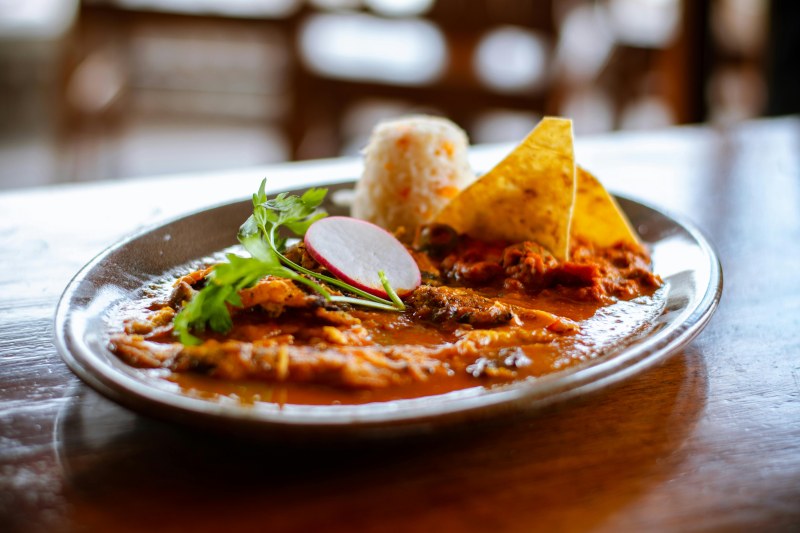
During a trip to Oaxaca, Mexico, I ordered tacos from a street vendor. I waited patiently, said “por favor” and “gracias,” and didn’t ask for substitutions. The vendor smiled and added extra salsa and a side of pickled onions—something he didn’t do for the tourist next to me who was demanding no cilantro and haggling over the price. That moment showed me: etiquette isn’t just about rules—it’s about building connection.
“Food is our common ground, a universal experience.” — James Beard
This quote rings true when eating street food. Following etiquette helps you meet the people behind the food, not just eat it. It turns a simple meal into a chance to learn about the culture.
FAQ: Common Street Food Etiquette Questions
Q: Is it okay to ask for substitutions (like no cilantro) in street food?
A: It depends. Some vendors can adjust (e.g., no spicy sauce), but others have fixed recipes. Ask politely—if they say no, don’t push it. Their food is crafted to taste a certain way, and substitutions might ruin the balance.
Q: Can I bring my own water to a street stall?
A: In most places, yes. But some vendors sell drinks—if you’re buying food, it’s polite to ask if they have drinks before pulling out your own.
Final Thoughts
Street food is one of the best parts of travel. By following these simple rules, you’ll not only avoid awkward moments but also get to enjoy authentic meals and connect with locals. Remember: the best way to learn is to observe, be polite, and have an open mind. Happy eating! 🍜