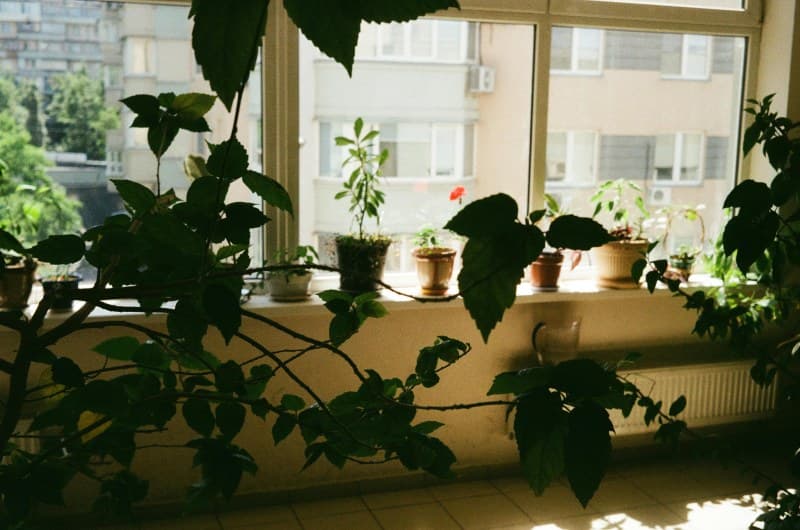
Last month, my roommate proudly brought home a tiny succulent, determined to keep it alive. She watered it every morning, even though the soil was still damp. A week later, it turned brown and mushy. She sighed, ‘I guess I overwatered it—like everyone says.’ But here’s the thing: overwatering isn’t the only way to kill a houseplant. There are so many other myths floating around that trip up even the most well-meaning plant parents.
Is Overwatering Really the Only Houseplant Killer? The Truth
Overwatering is definitely a top culprit (it leads to root rot, which suffocates plants), but it’s far from the only one. Underwatering, wrong light conditions, poor drainage, and even too much fertilizer can send your plant to an early grave. For example, a snake plant left in direct sunlight will get scorched leaves, while a fern in a dark corner will wilt from lack of light.
6 Common Houseplant Care Myths Debunked
Let’s break down six of the most persistent myths and their actual truths:
| Myth | Truth |
|---|---|
| Overwatering is the only way to kill houseplants. | Underwatering, wrong light, poor drainage, and over-fertilizing are equally harmful. |
| Misting daily is good for all plants. | Only plants that love high humidity (like ferns) benefit—misting others can cause mold or leaf rot. |
| All plants need direct sunlight. | Most indoor plants prefer indirect light; direct sun can scorch leaves (e.g., pothos, snake plants). |
| You should water plants on a strict schedule. | Check soil moisture instead—stick your finger 1-2 inches deep; water only if dry. |
| Small pots are better for small plants. | Small pots restrict root growth; choose a pot 1-2 inches larger than the root ball. |
| Fertilizing more makes plants grow faster. | Too much fertilizer burns roots; follow the package instructions (usually once a month in growing season). |
Why These Myths Stick Around
Many of these myths come from well-meaning but incorrect advice shared on social media or by friends. For example, misting became a trend because it looks satisfying, but few people stop to check if their plant actually needs it. Others stick to schedules because it’s easy, but plants don’t follow human timelines.
“Nature does not hurry, yet everything is accomplished.” — Lao Tzu
This quote reminds us that plants thrive on patience, not constant fuss. Rushing to water or mist can do more harm than good. Take time to observe your plant’s needs—wilting leaves might mean underwatering, but yellow leaves could be overwatering or too much light.
A Real-Life Example: The Misting Mistake
My friend Sarah loved her Boston fern. She misted it every morning, thinking it would keep the leaves lush and green. After a month, the leaves started to develop black spots and a fuzzy mold. She was confused—she’d been so careful! A quick check with a plant expert revealed the problem: too much misting in a room with poor air circulation. She stopped misting, moved the fern to a window with better airflow, and within a week, the mold was gone and the fern perked up.
FAQ: Your Burning Plant Care Question Answered
Q: I have a busy schedule—can I use self-watering pots to avoid overwatering?
A: Self-watering pots are great for some plants (like pothos or spider plants), but they aren’t perfect. They work by keeping the soil moist from the bottom up, so you still need to check the water reservoir regularly. Avoid using them for plants that hate wet feet (like succulents or cacti).
Final Tips to Keep Your Plants Happy
- Check soil moisture before watering (finger test).
- Match your plant to its light needs (e.g., low light for ZZ plants, bright indirect for monstera).
- Use pots with drainage holes to prevent root rot.
- Fertilize only during the growing season (spring and summer).
Don’t be afraid to make mistakes—every plant parent learns through trial and error. The key is to observe your plants and adjust your care routine as needed. Happy planting! 🌿