Last summer, I visited Paris with a list of must-sees: Eiffel Tower, Louvre, Montmartre. But the most memorable moment wasn’t checking off a box—it was sitting in a tiny boulangerie in Le Marais, watching the owner teach his daughter to shape croissants. He offered me a warm one, and even though my French was shaky, we laughed over the crumbs. That’s the magic of authentic cultural immersion: it’s not about the sights, but the connections. But how do you find that in a city swarming with tourists? Here are two ways to do it.
The Two Paths to Authentic Cultural Immersion
Way 1: Join a Community-Led Activity 🌍
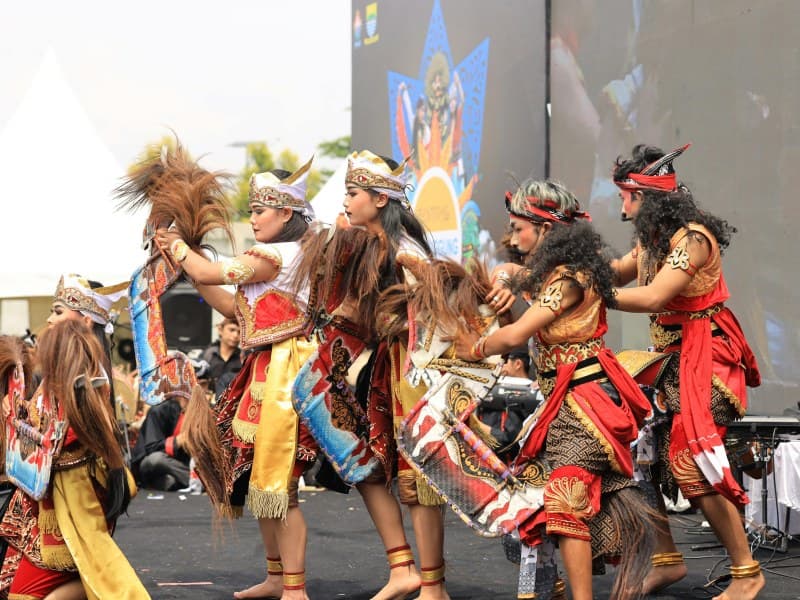
Community-led activities are your ticket to seeing a destination through local eyes. These aren’t the generic cooking classes advertised at hotels—think small, family-run workshops, neighborhood festivals, or even volunteer projects. For example, when I was in Rome, I signed up for a pasta-making class with Signora Maria, a grandmother who’s been making fresh ravioli for 50 years. Her kitchen was tiny, her hands were flour-dusted, and she taught me not just how to fold the pasta, but why her family uses a specific type of tomato from the nearby countryside. It was messy, fun, and way more meaningful than any museum visit that day.
Way 2: Wander Without a Plan ✈️
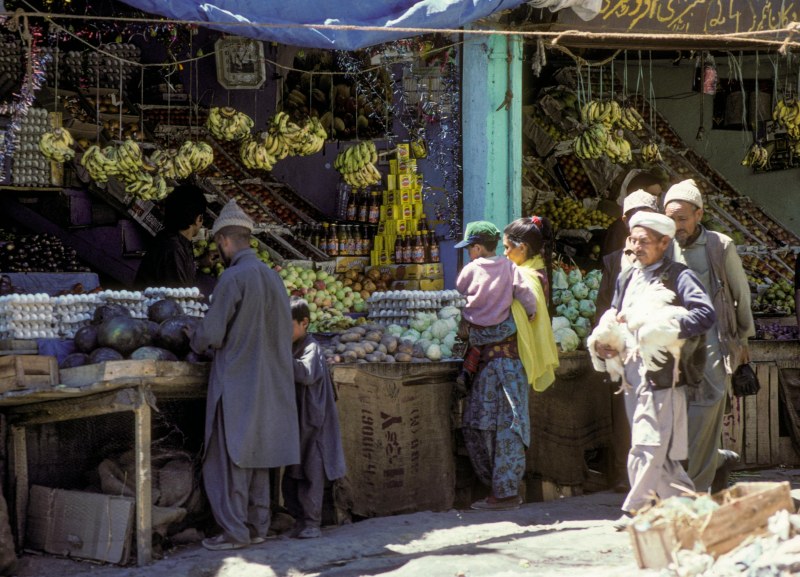
Sometimes the best cultural moments come from getting lost. Ditch the guidebook and walk down the side streets—you might find a hidden tea house in Kyoto where locals play shogi, or a street art mural in Berlin that tells a story of the city’s past. On a trip to Mexico City, I wandered away from the Zócalo and stumbled upon a market where vendors sold handwoven blankets and fresh churros. A vendor named Carlos offered me a churro and told me about his family’s blanket-making business. We didn’t speak the same language fluently, but we communicated through smiles and gestures. That hour was worth more than any organized tour.
Let’s break down the pros and cons of each way to help you decide which fits your travel style:
| Aspect | Community-Led Activity | Wander Without a Plan |
|---|---|---|
| Effort Level | Medium (needs research to find authentic options) | Low (just walk and explore) |
| Cost | Moderate (most activities charge a small fee) | Low (often free or cheap) |
| Cultural Depth | High (direct interaction with locals) | Variable (depends on luck, but can be deep) |
| Time Commitment | Fixed (usually 1-3 hours) | Flexible (as long as you want) |
| Pros | Structured, guaranteed interaction, learns specific skills | Spontaneous, no pressure, discovers hidden gems |
| Cons | Requires advance booking, may be limited in availability | Can be overwhelming for shy travelers, might miss key spots |
“The world is a book, and those who do not travel read only one page.” — Saint Augustine
This quote reminds us that travel isn’t just about visiting places—it’s about diving into their stories. Both community activities and unplanned wandering help you turn the pages of that book, beyond the tourist-friendly chapters.
Common Question: What if I don’t speak the local language?
Q: I’m nervous about interacting with locals because I don’t speak their language. Will these ways still work?
A: Absolutely! Many community-led activities have English-speaking guides or locals who are used to communicating with tourists. For unplanned wandering, gestures, smiles, and translation apps (like Google Translate) go a long way. Locals often appreciate the effort you make to connect, even if your words aren’t perfect.
Whether you choose to join a community activity or wander aimlessly, the key to authentic cultural immersion is to be open. Talk to people, try new things, and don’t be afraid to step outside your comfort zone. You’ll come home with stories that are way more interesting than any souvenir.